Range Hood Mold, Mildew & Bacteria Prevention Guide: Keep Your Kitchen Fresh & Safe
Why Mold, Mildew & Bacteria Grow in Your Range Hood (And How to Stop Them)
Your range hood accumulates grease, steam, and food particles every day. These things create an ideal breeding ground for mold, mildew, and bacteria! When you cook, a lot of moisture and grease mixes into the air. When this moisture accumulates on the inside of the range hood, it gradually causes mold and mildew. Grease buildup also creates a favorable environment for bacteria. As a result, your range hood can become a breeding ground for germs.
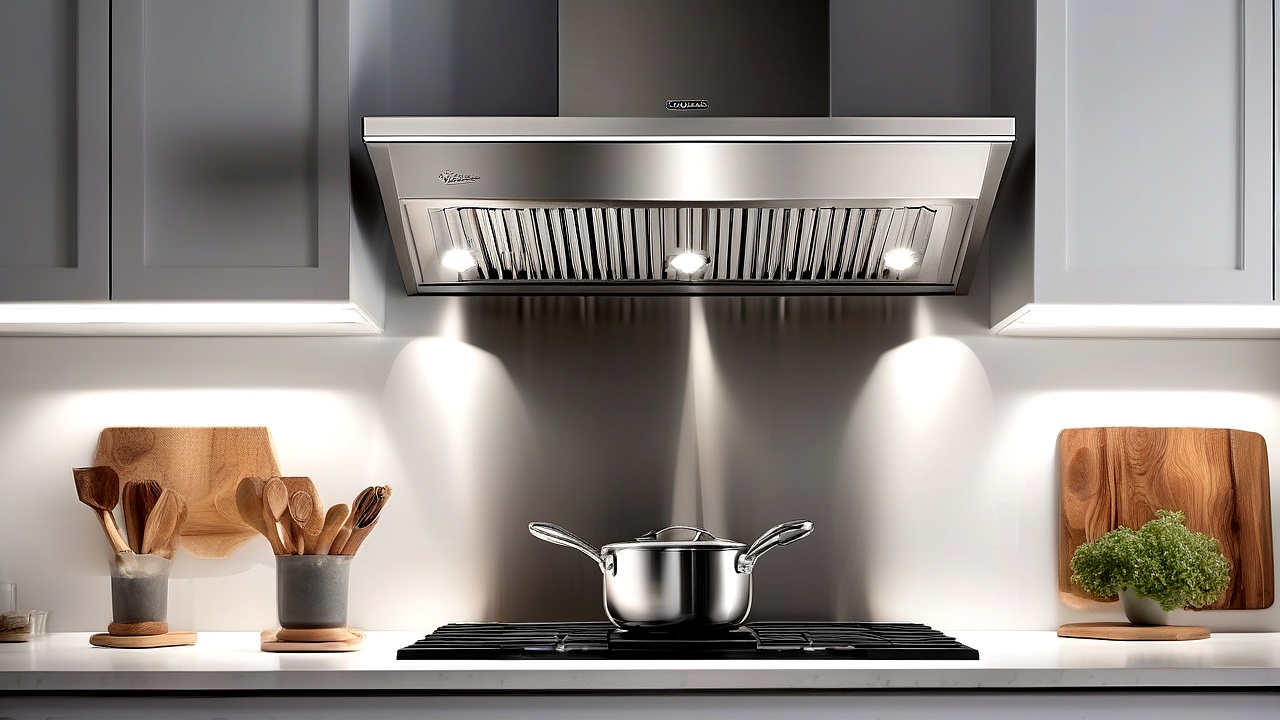
Many people forget to clean the inside of the range hood. Over time, grease and dirt accumulate to form a sticky layer. This layer acts as a medium for mold and mildew. Therefore, if not cleaned regularly, your range hood can become a health hazard.
How Does Mold, Mildew & Bacteria Grow Inside Range Hoods?
There are several main reasons behind the growth of mold, mildew, and bacteria inside the range hood:
- Moisture: A lot of steam and moisture is produced during cooking. When this moisture accumulates on the inside of the range hood, it creates an ideal environment for mold and mildew to grow.
- Grease: Grease is a type of fatty substance that mixes with air during cooking. When this grease accumulates on the inside of the range hood, it acts as a medium for bacteria.
- Dust & Dirt: If not cleaned regularly, dust and dirt accumulate on the inside of the range hood. This dust and dirt also act as a medium for mold and mildew.
- Poor Ventilation: If your range hood is not working properly or its ventilation system is not functioning well, moisture and grease cannot escape. As a result, they accumulate inside the range hood, creating an ideal environment for mold and mildew to grow.
Essential Tools for Range Hood Mold, Mildew & Bacteria Prevention
You will need a few essential tools to prevent mold, mildew, and bacteria in the range hood. They are listed below:
- Mild Dish Soap: Mild dish soap is effective for cleaning grease and dirt. However, do not use too much strong soap, as it may damage the surface of the range hood.
- White Vinegar: White vinegar is a natural disinfectant. It helps kill mold, mildew, and bacteria. It also helps clean grease and dirt.
- Baking Soda: Baking soda is a natural abrasive cleaner. It helps clean grease and dirt and eliminates bad odors.
- Microfiber Cloth: Using a microfiber cloth will not scratch the surface of the range hood. It also helps remove dust and dirt easily.
- Soft-Bristle Brush: Use a soft-bristle brush to clean areas that have accumulated grease and dirt. However, do not use a brush that is too hard, as it may damage the surface of the range hood.
- Rubber Gloves: Use rubber gloves so that your hands do not come into contact with grease and dirt while cleaning.
- Spray Bottle: Use the spray bottle to make a mixture of white vinegar and water.
Step-by-Step Guide: Range Hood Cleaning Instructions
Follow the steps below to clean the range hood:
Step 1: Close the Range Hood
Be sure to close the range hood before cleaning. Also, unplug the range hood so that there is no electrical connection.
Step 2: Clean the Grease Filter
The grease filter is a key part of the range hood. It collects a large amount of grease every day. To clean the grease filter:
- Remove the grease filter. It is usually held in place by clips or screws.
- Wash the grease filter with warm water and mild dish soap.
- Use a soft-bristle brush to clear areas where grease has built up.
- Dry the grease filter well.
- Place the grease filter back inside the range hood.
Step 3: Clean the Inside of the Range Hood
To clean the inside of the range hood:
- Spray warm water and mild dish soap on the inside of the range hood.
- Wipe clean with a microfiber cloth.
- Clean areas where grease has accumulated with a soft-bristle brush.
- Spray white vinegar on the inside of the range hood. It will help kill mold, mildew, and bacteria.
- Dry the inside of the range hood thoroughly.
Step 4: Clean the Outside of the Range Hood
To clean the outside of the range hood:
- Spray warm water and mild dish soap on the outside of the range hood.
- Clean thoroughly with a microfiber cloth.
- Spray white vinegar on the outside of the range hood. This will help kill mold, mildew, and bacteria.
- Dry the outside of the range hood well.
Step 5: Clean Other Parts of the Range Hood
To clean other parts of the range hood, such as fan blades, light covers, and the control panel:
- Wash with warm water and mild dish soap.
- Use a soft-bristle brush to clean areas where grease has built up.
- Spray with white vinegar to kill mold, mildew, and bacteria.
- Dry thoroughly.
Additional Tips for Preventing Mold, Mildew & Bacteria in Your Range Hood
Follow these additional tips to prevent mold, mildew, and bacteria in your range hood:
1. Clean Regularly
The most important step in preventing mold, mildew, and bacteria in your range hood is regular cleaning. Clean the range hood at least once every two weeks. If you cook frequently, clean it every week.
2. Clean the Grease Filter Regularly
The grease filter is the most important part of the range hood. It collects a large amount of grease every day. Clean the grease filter regularly, at least once every two weeks.
3. Run the Range Hood While Cooking
Run the range hood while cooking. This helps remove steam and grease produced during cooking. As a result, moisture and grease do not build up inside the range hood.
4. Improve Kitchen Ventilation
Improve kitchen ventilation by opening windows or running an exhaust fan. You can also leave the kitchen door open so air can circulate.
5. Use Baking Soda Inside the Range Hood
Sprinkle baking soda inside the range hood. This removes bad odors and helps prevent mold, mildew, and bacteria.
6. Use Essential Oils Inside the Range Hood
Add a few drops of essential oils, such as tea tree oil or eucalyptus oil, inside the range hood. These act as natural disinfectants and help kill mold, mildew, and bacteria.
7. Use Charcoal Inside the Range Hood
Place a few pieces of charcoal inside the range hood. Charcoal is a natural odor absorber. It removes bad odors and helps prevent mold, mildew, and bacteria.
Cleaning Products to Avoid for Range Hood Mold, Mildew & Bacteria Prevention
Some cleaning products should not be used to prevent mold, mildew, and bacteria in the range hood, as they can damage the surface. These include:
- Abrasive Cleaners: Avoid abrasive cleaners such as steel wool or harsh scrubbers. These can damage the surface of the range hood.
- Bleach: Do not use bleach. It can damage the surface of the range hood and create bad odors.
- Ammonia: Avoid ammonia. It can damage the surface of the range hood and create bad odors.
- Strong Chemical Cleaners: Do not use strong chemical cleaners such as oven cleaners. These can damage the surface of the range hood.
Natural Cleaning Products for Range Hood Mold, Mildew & Bacteria Prevention
You can use some natural cleaning products to prevent mold, mildew, and bacteria in your range hood. These include:
- White Vinegar: White vinegar is a natural disinfectant. It helps kill mold, mildew, and bacteria. It also helps clean grease and dirt.
- Baking Soda: Baking soda is a natural abrasive cleaner. It helps clean grease and dirt and removes bad odors.
- Lemon Juice: Lemon juice is a natural disinfectant. It helps kill mold, mildew, and bacteria and removes bad odors.
- Hydrogen Peroxide: Hydrogen peroxide is a natural disinfectant. It helps kill mold, mildew, and bacteria.
When to Seek Professional Help for Range Hood Mold, Mildew & Bacteria Prevention
Consider professional help if you cannot clean the range hood yourself or if a large amount of mold, mildew, and bacteria has built up inside. Look for the following signs:
- Long-term neglect: If your range hood has not been cleaned for months or years and has black spots or bad odors, professional cleaning may be needed.
- Severe mold and mildew: When mold and mildew are so extensive that regular cleaning products do not work, professional cleaning is recommended. Regular products may not fully remove mold spores.
- Bad odors from inside the range hood: If a strong odor comes from the range hood when turned on and you cannot remove it, bacteria or fungus may have built up inside. Professional inspection and cleaning are needed in such cases.
- Reduced performance: If the range hood does not fully remove smoke or odors and suction is weak, grease or mold may be blocking the suction system. Professional servicing may be required.
- Allergic reactions or breathing problems: If you or someone in your household experiences allergic reactions, itchy eyes, sneezing, or breathing problems due to the range hood, bacteria or mold spores may be present. Seek professional cleaning immediately.
Where to Find Professional Cleaning Services
You can contact the following sources for professional cleaning services:
- Local Home Appliance Repair Services: Many people arrange range hood cleaning through home appliance repair services. These providers are often experts in kitchen exhaust cleaning.
- Online Marketplaces (e.g., Amazon, eBay, HomeAdvisor): Many online marketplaces allow you to request professional cleaning services. Check ratings and reviews to choose a good service.
- Brand Authorized Service Centers: If your range hood has a brand (such as Whirlpool, GE Appliances, Bosch, or LG), contact the brand’s authorized service center. They will use genuine parts and proper cleaning procedures.
- Local Cleaning Agencies: Many cleaning agencies offer specialized services for cleaning kitchen appliances. You can contact them to schedule an appointment.
What Does Professional Cleaning Cost?
Professional cleaning costs depend on several factors, including:
- Size and type of range hood: Cleaning a small kitchen range hood may cost between $50 and $150 USD. Larger or industrial-range hoods may cost more.
- Amount of mold and mildew: If there is a large amount of mold inside, there may be an extra charge.
- Location: Professional cleaning may cost more in expensive urban areas.
- Service Provider: Local service providers may charge less than branded service centers.
Typically, professional cleaning costs between $80 and $300 USD. However, it is best to confirm the cost by contacting several service providers.
Things to Consider Before Seeking Professional Help for Range Hood Mold, Mildew & Bacteria Prevention
Before seeking professional help, consider the following important factors:
- Verify the credibility of the service provider: Before contacting a professional cleaning service, check their reviews, ratings, and past client experiences. Gather information about them on online platforms.
- Understand the cleaning process: Before professional cleaning, ask what type of cleaning agents they will use and what the cleaning process will involve. Some cleaning agents can be harmful to the range hood.
- Check warranty and guarantee policies: Ask what type of warranty or guarantee the professional cleaning service provides after cleaning. Some providers offer free re-cleaning if mold or bacteria builds up again.
- Confirm the cost in advance: Confirm the cost of professional cleaning in advance to avoid any inconvenience later.
Conclusion
While mold, mildew, and bacteria buildup in range hoods is common, it can be harmful to health. Failing to clean regularly can lead to respiratory issues, allergies, and even long-term health problems. Therefore, it is important to clean regularly and be aware of when to seek professional help.
If a large amount of mold, mildew, or bacteria has built up inside your range hood and regular cleaning products do not work, seek professional cleaning services. However, before hiring a professional, verify their credibility, cleaning process, warranty, and cost.
Finally, the best way to keep your range hood clean is regular maintenance and good kitchen ventilation. Also, clean other kitchen appliances such as the refrigerator, microwave, and oven regularly to keep the entire kitchen healthy and free of pollutants.
We hope this guide helps with preventing mold, mildew, and bacteria in your range hood. If you have any questions, feel free to ask in the comments below. Thank you!

About the Author
Hi I am an Engineer I have passed my diploma in Engineering in 2007. Academically I have studied about home appliances and various motors and machineries. In 2012 I have started my blogging and learned a lot of things about home appliances especially washing appliances, washing and cleaning related products, and eequipments. In 2019 I have started my blog https://appliancesky.com to provide my research and experience with my fan and followers.