Range Hood Warranties Explained: What’s Covered, What’s Not, and How to Protect Your Investment
Why a Range Hood Warranty Matters Before You Buy
When buying a new range hood, everyone looks at the price and features, but many do not understand the importance of warranties. In fact, a warranty protects your appliance from unexpected breakdowns and repair costs. Suppose you buy a Bosch or KitchenAid range hood with a 3-year warranty – if the motor breaks down after 2 years, the manufacturer will repair or replace the motor for free. But if there is no warranty, you have to pay the entire cost, which can be hundreds of dollars.
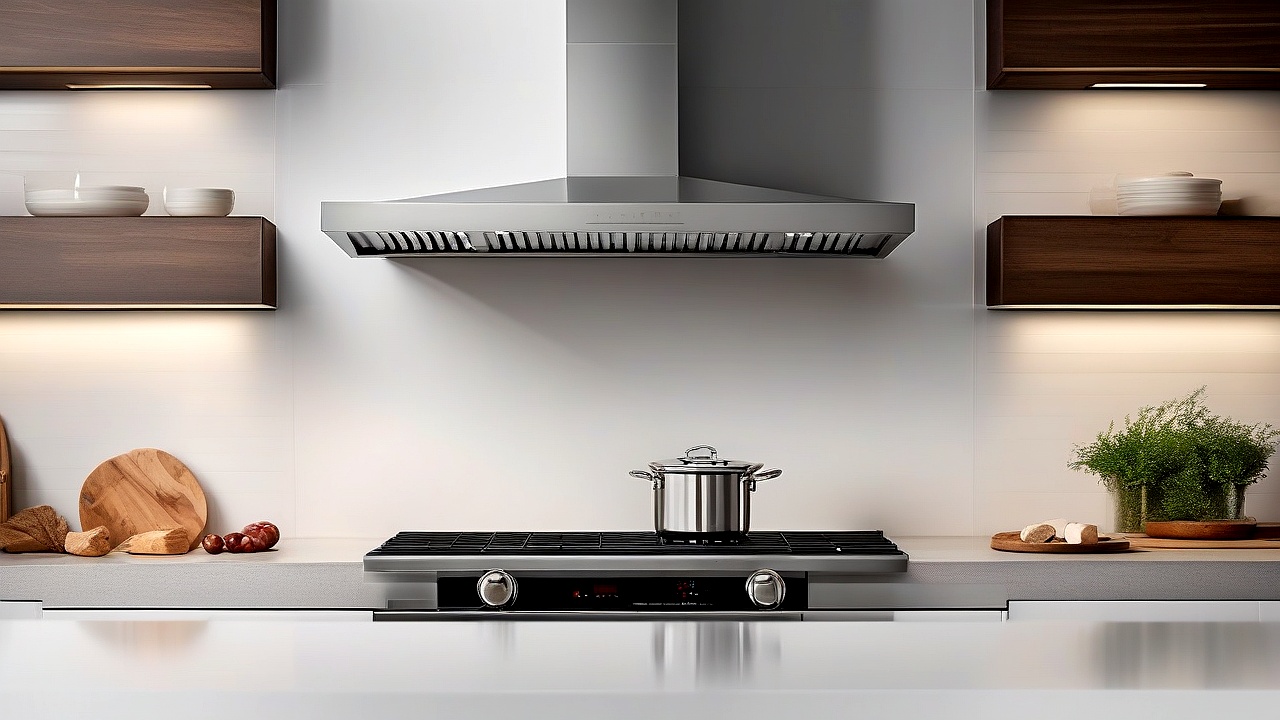
So, before buying any range hood, the warranty policy should be read carefully. Most brands offer warranties of 1 to 5 years, but if you don’t know what is covered and excluded, you may face issues later.
Range Hood Warranty Coverage: What’s Typically Included?
Range hood warranties generally provide three types of coverage:
- Manufacturer’s Warranty (Standard Warranty): Most brands provide a full warranty for at least 1 year. This warranty covers:
- Motor failure (e.g., blower motor or exhaust motor)
- Electrical components (e.g., control panel, switches, lighting)
- Defective manufacturing (e.g., weld crack, faulty wiring)
- Premature part failure (if manufacturer fault)
- Extended Warranty (Optional): Some brands (e.g., Broan, Zephyr, or GE) offer an option to extend the warranty period with extra payment. Usually, warranties of 2 to 5 years are available.
- Labor Coverage: Most warranties cover parts costs, but not labor costs (installation or repair technician costs). However, some premium brands (e.g., Miele) provide separate coverage for labor.
Common Parts Covered Under Range Hood Warranty
A standard range hood warranty typically covers the parts:
| Part Name | Typical Coverage Period | Notes |
|---|---|---|
| Blower Motor / Exhaust Motor | 1–5 years | is the most failed part. High-end brands offer longer warranties. |
| Control Panel / Touch Controls | 1–2 years | Electronic failures are usually covered under warranty. |
| Lighting (LED / Halogen Bulbs) | 1 year | Bulb burnout can be replaced under warranty. |
| Filters (Mesh / Charcoal) | Not covered (consumable) | Filters are considered consumable parts, so they are not covered by warranty. |
| Ductwork / Venting System | Not covered | If the duct is not installed properly during installation, the warranty will not cover it. |
| Wiring / Electrical Components | 1–2 years | Faulty wiring or short circuits can be repaired under warranty. |
What’s Usually Excluded from Range Hood Warranties?
All warranties include certain exclusions. If you don’t know them, you may face problems later. Below is a list of common excluded items:
- Normal Wear and Tear: For example, clogging of filters, grease buildup, or gradual performance loss of motors. These are not covered under warranty, as they are part of routine maintenance.
- Improper Installation: If the range hood is not installed according to the manufacturer’s guidelines, the warranty will be void. For example:
- Incorrect duct size (too small or too large)
- Improper venting (e.g., the duct is open directly inside the kitchen)
- Improper electrical connection (i.e., not grounded)
- Accidental Damage: For example, the range hood has been dropped, subjected to pressure, or liquid spilled. These are not covered under warranty.
- Misuse or Abuse: For example, using the range hood for something other than cooking (e.g., wood cutting).
- Unauthorized Repairs: If you or another technician repair the range hood during the warranty period, the warranty will be void. All repairs must be done by the manufacturer’s authorized service center.
- Cosmetic Damage: Such as scratches, dents, or paint chipping. These are not covered under warranty.
- Consumable Parts: Such as charcoal filters, mesh filters, or bulbs. These are replaced regularly, so they are not covered by warranty.
- Outdoor Elements: If the range hood is used outdoors, the warranty will not cover it.
Brand-Specific Exclusions (Examples)
Some brands put extra restrictions on their warranty. For example:
- Broan / NuTone: Warranty does not cover ductwork if it is improperly sealed or the venting system is not made according to the manufacturer’s specifications.
- KitchenAid: Warranty does not cover labor costs, only parts costs.
- Bosch: Warranty does not cover use if the range hood is used for commercial purposes.
- GE / Hotpoint: Warranty does not cover electrical supply voltage outside the manufacturer’s recommended range.
How to Check Your Range Hood Warranty Before Buying
Warranty policy should be checked well before buying a range hood. Below are some tips:
- Warranty Period: Typically ranges from 1 to 5 years. A longer warranty is generally considered more reliable.
- Transferable Warranty: Some warranties (such as Broan’s) are transferable, meaning if you sell your home later, the new owner can benefit from the warranty.
- Labor Coverage: Most warranties do not cover labor, so account for installation costs separately.
- Authorized Service Centers: Know where the manufacturer’s authorized service centers are located to file a warranty claim.
- Online Registration: Some brands (such as Zephyr or Faber) require online registration to file a warranty claim. Without registration, a claim cannot be made.
- Extended Warranty Options: If the standard warranty is less than 1 year, consider extending it for an additional fee.
Where to Find Warranty Information
Warranty policy is typically available when purchasing a range hood:
- In the product manual or warranty card
- On the manufacturer’s official website (e.g., bosch-home.com, kitchenaid.com)
- On the retailer’s website (e.g., Amazon, Home Depot, Best Buy)
- Printed on the product packaging
Common Range Hood Problems That May or May Not Be Covered
Range hoods have some common issues that may or may not be covered under warranty. Below is a discussion of these problems:
1. Motor Failure (Most Common Issue)
The motor is the most common failure point in a range hood. If the motor suddenly stops or makes unusual noises, it may be covered under warranty. However, if the motor experiences gradual performance loss (e.g., reduced suction), it will be considered normal wear and tear and not covered by warranty.
Troubleshooting:
- Check the power supply (ensure the circuit breaker is working)
- Verify if the motor is properly lubricated
- Check if the duct is clogged
2. Noise Issues (Vibration or Rattling)
If the range hood makes unusual noises (e.g., vibration, rattling, or grinding sounds), it may be covered under warranty if caused by a manufacturing defect. However, if the noise is due to improper installation (e.g., loose duct), it will not be covered.
Troubleshooting:
- Check if the range hood is properly mounted
- Ensure all screws are tight
- Verify if the duct is the proper size
3. Lighting Issues (Bulb or Wiring Problem)
If the range hood’s light does not work or flickers, it may be covered under warranty. However, if the bulb burns out, it will not be covered as it is considered a consumable part.
Troubleshooting:
- Check if the bulb is working
- Inspect wiring connections
- Ensure the control panel is properly connected
4. Suction Power Loss
If the range hood loses suction power, it may be due to several reasons:
- Clogged filters (mesh or charcoal)
- Duct that is too long or has too many bends
- Weak motor
If suction loss is due to clogged filters, it will not be covered under warranty, as filters are considered consumable. However, if suction loss is due to motor failure, it may be covered.
How to File a Warranty Claim (Step-by-Step Guide)
If your range hood experiences a problem covered under warranty, follow these steps to file a claim. While each manufacturer’s process may vary, the basic steps remain the same.
Step 1: Check Warranty Eligibility
First, verify what issues are covered under your range hood’s warranty. Most warranties cover common problems such as motor failure, suction power loss, or lighting issues. Read the warranty policy carefully on the manufacturer’s website. Sometimes, the warranty’s validity period (typically 1–5 years) and applicable regions are mentioned.
If the issue is not covered under warranty, try to resolve it yourself before contacting the manufacturer. For example, if suction power decreases, clean the filters.
Step 2: Gather Necessary Documents
Collect the required documents before filing a warranty claim. Most claims require:
- Purchase receipt (original bill): This is the most important document. If purchased online, download the receipt from your email.
- Warranty card: Some brands provide a separate warranty card. Submit this if provided.
- Product serial number: Located on the back or bottom of the range hood. A claim is nearly impossible without this number.
- Proof of installation: Some manufacturers require installation by a licensed technician for the warranty to be valid. If you installed it yourself, provide any records of the installation.
- Problem description: Clearly describe the issue, when it started, and any initial troubleshooting steps.
If any document is lost, contact the manufacturer’s customer service to request a duplicate.
Step 3: Contact Manufacturer or Authorized Service Center
Contact the manufacturer’s customer service to file a warranty claim. Most brands offer an online claim form, while others accept claims via phone or email. Prepare the following information when contacting them:
- Product model number
- Serial number
- Purchase date
- Problem details
- Contact information
Links to warranty claim processes for popular range hood brands in the US:
- Bosch: https://www.bosch-home.com/global/en/service
- KitchenAid: https://www.kitchenaid.com/customer-service.html
- Broan: https://www.broan.com/support/warranty
- Elica: https://www.elica.com/en/support/warranty
- Cata: https://www.cata.com/en/support/warranty
If the manufacturer has a local distributor in your area, contact them directly. For example, in the US, warranty claims for Bosch can be filed through authorized service providers.
Step 4: Choose Repair or Replacement
The manufacturer or service center will decide whether to repair or replace the range hood based on the issue. In most cases:
- Repair: If the issue is minor (e.g., motor failure), they will send a technician to repair it.
- Replacement: If the issue is major (e.g., complete loss of suction power), they may replace the range hood.
For repairs, ask how long it will take for a technician to arrive after filing the claim. Often, technicians arrive within 7–15 days.
Step 5: Follow Up and Track Your Claim
After filing a claim, the manufacturer or service center will provide a reference number. Use this number to track the status of your claim. Most brands provide updates via an online portal or email.
If you do not receive an update after several days, contact the manufacturer’s customer service. Sometimes, additional time is needed for claim processing.
Common Mistakes to Avoid While Filing a Warranty Claim
Many people make common mistakes when filing a warranty claim, which can lead to rejection. Avoid these mistakes:
- Not keeping the warranty card: Many people lose the warranty card after purchase, but it is required for claims.
- Not providing the serial number: Always include the serial number when filing a claim, or the manufacturer may not recognize the product.
- Not following installation guidelines: Some manufacturers require installation by a licensed technician for the warranty to be valid. DIY installation may void the warranty.
- Not providing problem details: Clearly describe the issue, when it started, and any troubleshooting steps taken.
- Submitting fake documents: Never submit fake receipts or warranty cards. This can lead to claim rejection and potential legal action.
What Happens If Your Warranty Claim Gets Rejected?
If your warranty claim is rejected, do not lose hope. Below are common reasons for rejection and their solutions:
- Warranty expired: If the warranty period has ended, the manufacturer is not responsible. However, some brands offer extended warranties. For example, some Bosch models come with a 5-year warranty.
- Improper use: Misuse of the range hood (e.g., using a model not designed for heavy cooking) can void the warranty.
- Lack of maintenance: Failure to follow the manufacturer’s maintenance guidelines (e.g., not cleaning filters regularly) can lead to claim rejection.
- Third-party repair: If the range hood is repaired by a technician not authorized by the manufacturer during the warranty period, the warranty will be void.
If your warranty claim is rejected:
- Appeal to the manufacturer: Sometimes, appealing to the manufacturer results in the claim being accepted.
- Consult a local technician: If the issue is minor, have a local technician repair it.
- Purchase an extended warranty: Some brands offer extended warranties. For example, some LG appliances come with a 10-year warranty.
Conclusion
It is very important to thoroughly research warranties when buying a range hood. If a problem arises in the future, filing a warranty claim can save you a significant amount of money. In this article, we have discussed the steps to file a warranty claim, the required documents, and how to contact the manufacturer.
Remember to always follow the manufacturer’s guidelines when filing a warranty claim. Collect documents in advance and clearly describe the issue. If your warranty claim is rejected, appeal to the manufacturer or consult a local technician.
Finally, proper maintenance of your range hood is essential. Clean filters regularly, check suction power, and address issues promptly. This will ensure your range hood lasts longer and reduce the need for warranty claims.
We hope this article has been helpful. If you have any questions, feel free to comment below. Thank you!

About the Author
Hi I am an Engineer I have passed my diploma in Engineering in 2007. Academically I have studied about home appliances and various motors and machineries. In 2012 I have started my blogging and learned a lot of things about home appliances especially washing appliances, washing and cleaning related products, and eequipments. In 2019 I have started my blog https://appliancesky.com to provide my research and experience with my fan and followers.