Seasonal Care Guide for Range Hoods: Summer and Winter Protection Strategies
Introduction: Why is Range Hood Important?
As the focal point of the kitchen, the range hood not only eliminates fumes and odors, but also helps maintain a healthy and comfortable cooking environment. However, different seasons of the year affect its performance and durability. Due to excess heat and humidity in summer and dryness and dust in winter, range hood care methods differ. In this guide we will discuss how to protect your range hood during summer and winter.
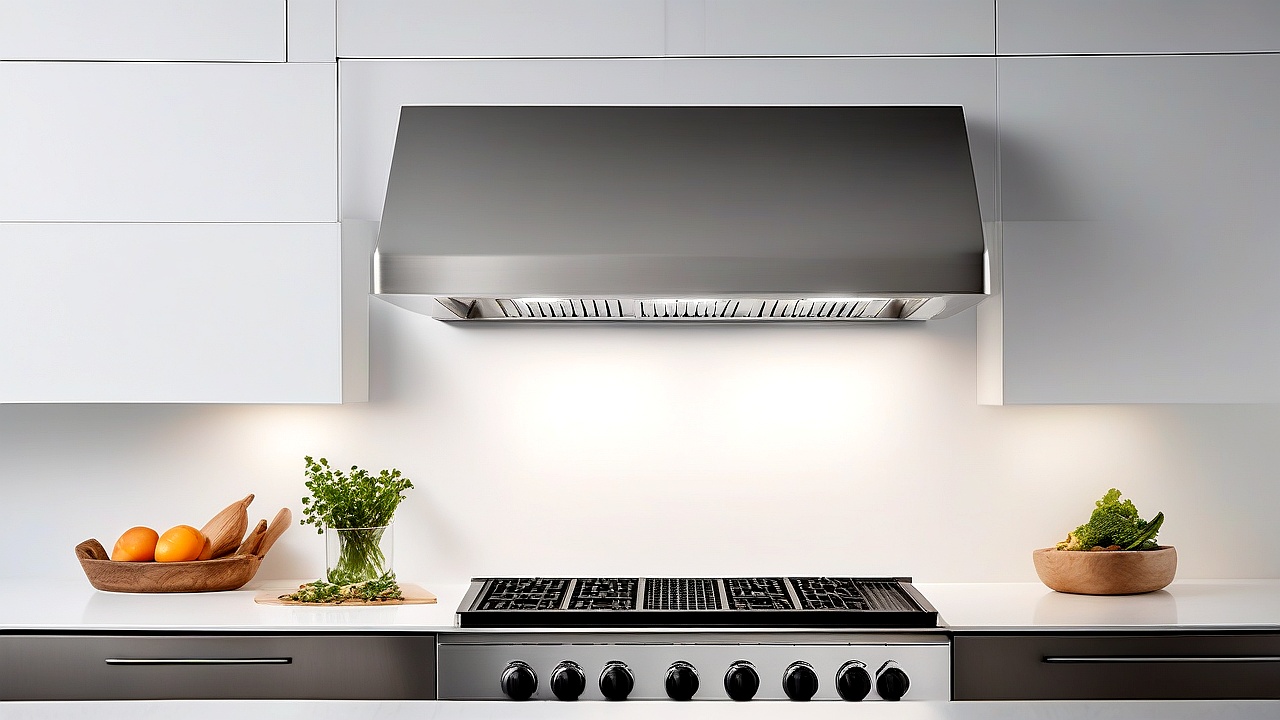
Summer range hood protection: the battle against heat and humidity
High temperature and humidity during summer affect the range hood. As a result, its performance may decrease and it may cause damage over time. Below are some important summer care steps:
1. Regular filter cleaning
In summer, cooking produces more smoke and grease. As a result, mesh filters and charcoal filters get dirty quickly. The filters should be cleaned at least twice a month.
- Mesh Filter: Wash with warm water and dish soap. If there is a lot of dirt, soak it in warm water mixed with vinegar and baking soda.
- Charcoal Filter: It is not reusable. Usually it needs to be changed after 3-6 months. But it can lose performance quickly due to humidity during summer. So check regularly.
2. Motor and fan care
Overuse in summer may cause the motor to overheat. As a result, its lifespan is reduced. Follow the steps below:
- Check ventilation: Make sure the range hood ventilation system is not blocked. Keep wall vents or ducts clean.
- Lubrication: If your range hood has a mechanism to apply lubricant to the motor, do so once a year. However, most modern models do not require this.
- Prevention of Overheating: Keep the range hood on while cooking so that heat and smoke can escape quickly. Cooking at high heat for a long time puts stress on the motor.
3. Keeping body and exterior clean
Due to high humidity in summer, dust and grease easily accumulate on the body of the range hood. As a result it looks dirty and old.
- Use mild detergents: Do not use hard brushes or abrasive cleaners. Wipe with a soft cloth with mild soap or dish wash.
- Stainless Steel Body: Use special cleaners for stainless steel to prevent staining.
- Plastic parts: Avoid alcohol-based cleaners when cleaning plastic parts. It can damage the plastic.
4. Power consumption control
The demand for electricity increases during summer. Follow the tips below to reduce the power consumption of the range hood:
- Use LED lights: Replace old bulbs with LED lights to save electricity.
- Set a timer: Many modern range hoods have a timer feature. After cooking, it will automatically turn off after a few minutes.
- Correct speed setting: Set the speed as needed instead of running at maximum speed all the time.
Winter Range Hood Protection: Combating Dryness and Dust
In winter, the air is dry and dusty. As a result, dust accumulates in the ventilation system of the range hood and reduces its efficiency. Also, the range hood is used less as cooking time is shorter in winter, which can cause its components to become stagnant. Follow the steps below for winter care:
1. Cleaning the ventilation system
Dust accumulates in the ventilation system due to high dust in winter. As a result, the performance of the range hood decreases.
- Clean the ducts: Clean the ducts at least once a year. If dust accumulates in the duct, dust can also enter the inside of the range hood.
- Cleaning the vent cover: Use a vacuum cleaner to clean the vent cover or grill. If there is a lot of dirt, wash it with warm water and dish soap.
2. Test and change filters
Filters are used less in winter due to less cooking time. As a result, the filters can accumulate dust and lose efficiency.
- Mesh Filter: If the filter is clean but performance seems poor, check if it is time to change it.
- Charcoal Filter: Charcoal filters remain functional for a long time due to low humidity in winter. But change it at least once a year.
Motor and Fan Care
In winter, range hoods are used less, which can cause the motor and fan to become stagnant. Run it regularly to maintain performance.
- Run regularly: Turn on the range hood at least once a week for a few minutes to keep the motor and fan active.
- Check lubrication: If your range hood has a lubrication system, apply lubricant once a year.
- Check oil seals: If the range hood has oil or grease seals, they may dry out. Replace the seals if necessary.
Body and Exterior Cleaning
In winter, dust accumulates more on the range hood body. As a result, it looks dirty.
- Use microfiber cloth: Microfiber cloth is best for cleaning dust. Do not use hard brushes.
- Stainless Steel Body: Use special cleaners for stainless steel to prevent staining.
- Plastic parts: Avoid alcohol-based cleaners when cleaning plastic parts. It can damage the plastic.
Power Consumption Control
Although electricity demand is lower in winter, follow these tips to avoid unnecessary power consumption:
- Use LED lights: Replace old bulbs with LED lights to save electricity.
- Set a timer: Many modern range hoods have a timer feature. After cooking, it will automatically turn off after a few minutes.
- Correct speed setting: Set the speed as needed instead of running at maximum speed all the time.
Comparative Table of Summer and Winter Care
| Care Item | Summer Strategy | Winter Strategy |
|---|---|---|
| Filter Cleaning | Clean twice a month | Clean every three months |
| Ventilation Check | Clean once a week | Clean once a month |
| Motor and Fan | Prevent overheating | Run regularly to prevent stagnation |
| Body Cleaning | Clean more frequently due to high humidity | Clean more frequently due to high dust |
| Power Consumption Control | Use timer and speed settings | Use timer and speed settings |
General Tips: Year-Round Range Hood Protection
In addition to summer and winter care, you should develop habits to protect your range hood year-round for maximum performance and longevity. Following the tips below will ensure your range hood works flawlessly for years while keeping power consumption under control.
Follow a filter replacement schedule
The performance of a range hood depends on its filters. Most metal or activated carbon filters should be replaced every 3-6 months. However, if you cook frequently with heavy oils and spices, the filters will get dirty faster. In this case, inspect the filters every 2-3 months.
- Metal Filter: It can be washed and reused. Clean it with warm soapy water at least once a month.
- Activated Carbon Filter: It cannot be washed and must be replaced after use.
- When to replace the filter: Most range hoods have an indicator light that turns on when it’s time to replace the filter, or if the filter becomes heavy.
Proper use of the ventilation system
Neglecting the range hood’s ventilation system can trap smoke and odors inside the room. This is especially important in summer when windows are often kept closed.
- Turn it on before cooking: Turn on the range hood 5-10 minutes before you start cooking. This helps smoke and odors escape quickly.
- Keep it running after cooking: Keep the range hood running for another 5-10 minutes after cooking ends. This ensures all residual smoke is removed.
- Check vent position: Sometimes the vent pipe can bend or get blocked. Regularly check the vent position and clean it if necessary.
Ways to reduce power consumption
Follow these simple steps to control power consumption while using the range hood. This will reduce your electricity bill and extend the life of your range hood.
- Use LED lights: Replace old incandescent bulbs with LED lights. They are energy-efficient and long-lasting.
- Select the correct speed setting: Choose the speed setting based on the type of cooking. Running at high speed constantly increases power consumption.
- Use the timer: Many modern range hoods have a timer feature. It will automatically turn off the range hood after a set time.
- Follow the guidelines: Follow the power-saving usage guidelines provided in the range hood manual.
Replacing and maintaining spare parts
Components of a range hood, such as filters, light bulbs, and motors, degrade over time. If these spare parts are not replaced regularly, the range hood’s performance will decline and power consumption will increase.
- Replace filters: Replace filters every 3-6 months. Replace them sooner if necessary.
- Replace light bulbs: If using LED light bulbs, replace them every 1-2 years.
- Motor and fan care: Clean the motor and fan at least once a year. If needed, seek professional technician help.
- When buying spare parts: Buy original spare parts. Using counterfeit or cheap spare parts can damage the range hood.
Range hood placement and environmental impact
The placement of the range hood and its surrounding environment also affect its performance.
- Install in the correct position: Install the range hood directly above the cooking surface. This helps remove smoke and odors quickly.
- Avoid storing items nearby: Do not store items around the range hood. This can obstruct the ventilation system.
- Control temperature: Keep the temperature around the range hood under control. Excessive heat can put pressure on the motor and fan.
Common Range Hood Problems and Solutions
You may encounter various problems while using a range hood. Knowing the solutions will help you troubleshoot issues easily.
| Problem | Possible Cause | Solution |
|---|---|---|
| Range hood does not turn on | Power connection issue, blown fuse, faulty switch | Check power connection, replace fuse, test switch |
| Range hood makes excessive noise | Dirt buildup on fan blades, motor issues, blocked ventilation system | Clean the fan, maintain the motor, clean the ventilation system |
| Range hood emits bad odor | Dirty filter, ventilation system issue, smoke not escaping during cooking | Replace filter, clean ventilation system, keep range hood on while cooking |
| Range hood light does not turn on | Faulty light bulb, power connection issue, faulty switch | Replace light bulb, check power connection, test switch |
| Range hood does not expel smoke | Blocked ventilation system, fan issue, power connection issue | Clean ventilation system, check fan, verify power connection |
Conclusion: Longevity and Performance of Range Hood Care
A range hood is a vital appliance in your kitchen. Proper care and maintenance can extend its lifespan and ensure maximum performance. In summer, you must fight heat and humidity with regular cleaning and care, while in winter, protection from dust and dryness is necessary.
Following the tips in this guide will ensure your range hood works flawlessly for years. Regular filter replacement, ventilation system care, power consumption control, and professional servicing will keep your range hood protected.
Remember: Proper care and correct usage are equally important. Always keep the range hood on while cooking and clean it regularly. Additionally, have it serviced by a professional technician at least once a year.
We hope this guide helps you maintain and care for your range hood. If you encounter any issues, seek professional help promptly. A well-maintained range hood will keep your kitchen clean and safe.

About the Author
Hi I am an Engineer I have passed my diploma in Engineering in 2007. Academically I have studied about home appliances and various motors and machineries. In 2012 I have started my blogging and learned a lot of things about home appliances especially washing appliances, washing and cleaning related products, and eequipments. In 2019 I have started my blog https://appliancesky.com to provide my research and experience with my fan and followers.