Top Brand Technologies in Range Hoods: A Detailed Comparison Guide
Why Range Hood Technology Matters for Your Kitchen
Range hoods act as the backbone of kitchen ventilation. They not only remove smoke and odors but also improve the air quality of the kitchen. Because there are so many brands and models on the market, it can be confusing to determine which one is right for you. In this guide, we will discuss the advanced technologies of top brands, their unique features, efficiency ratings, and maintenance tips so you can make an informed decision.
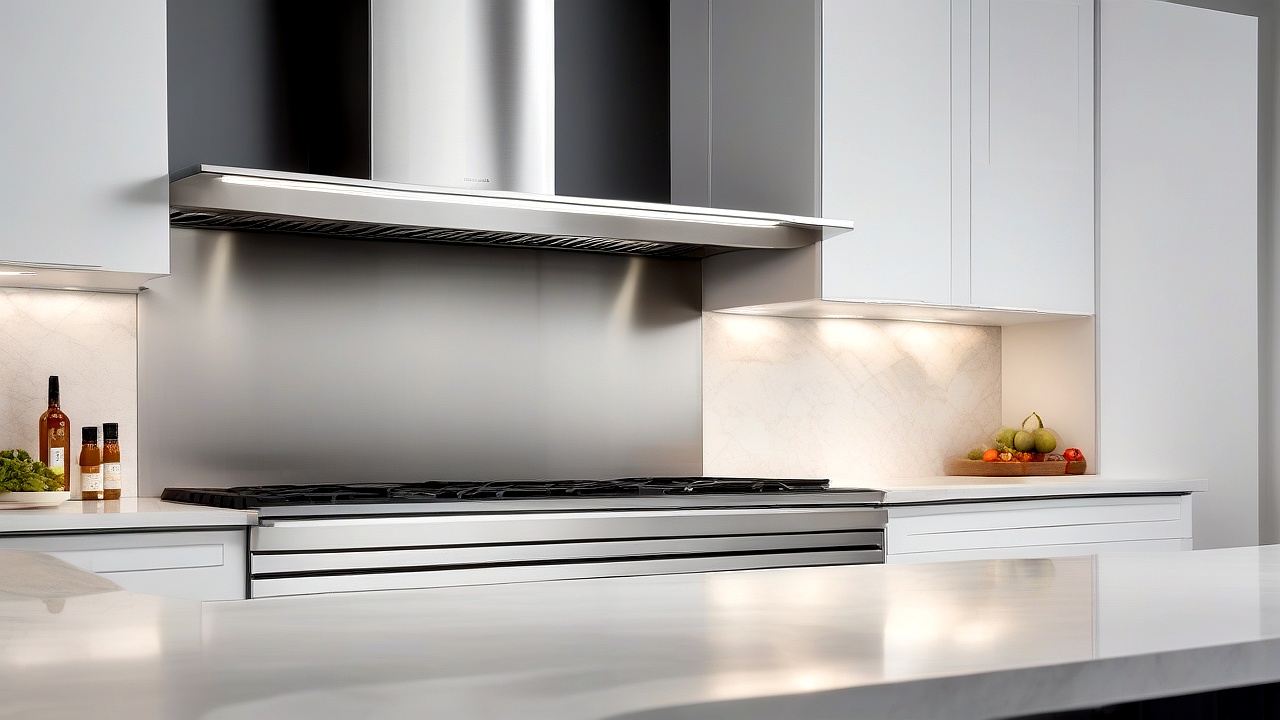
Top Range Hood Brands & Their Standout Technologies
1. Broan-NuTone: Innovation with Quiet Performance
Broan-NuTone range hoods are renowned for their quiet operation and energy efficiency. Their inverter motor technology helps reduce power consumption by up to 70% and reduces noise levels by up to 40%.
Some popular models:
- Broan 413004: 30″ Wall-Mounted Range Hood with 650 CFM suction and dishwasher-safe mesh filters.
- NuTone 765HFL: Built-in halogen lighting and a permanent filter system offer low maintenance benefits.
Pros:
- Very low noise (as low as 0.3 sones)
- Energy Star certified
- Easy-to-clean stainless steel construction
Cons:
- Higher upfront cost
- Limited smart features in basic models
2. KitchenAid: Smart & Precision Control
KitchenAid range hoods stand out for their precision air technology and smart ventilation. Their touch-control LED display and automatic fan adjustment system automatically adjusts fan speed according to the air quality in the kitchen.
Popular models:
- KitchenAid KBES556ESS: 36″ Island Range Hood with 1200 CFM suction and smart home integration with built-in Wi-Fi.
- KitchenAid KVDS536ESS: Downdraft design offers countertop space-saving and efficient ventilation thanks to 900 CFM suction power.
Pros:
- Smart home compatibility (works with Alexa, Google Assistant)
- Automatic humidity sensor
- Stainless steel baffle filters for better grease capture
Cons:
- Expensive compared to traditional models
- Complex installation for downdraft models
3. Bosch: German Engineering & Durability
Bosch range hoods are known for their German engineering and long-lasting durability. Their efficient vortex technology and AutoSpeed sensor automatically adjust fan speed according to kitchen air quality.
Popular models:
- Bosch 800 Series HMV8053U: 30″ Wall-Mounted Range Hood with 800 CFM suction and EcoSilence motor provides quiet operation.
- Bosch 500 Series HCA506B53N: Downdraft design provides countertop space-saving and efficient ventilation with 600 CFM suction power.
Pros:
- German-engineered durability
- AutoSpeed sensor for automatic fan adjustment
- Stainless steel construction with scratch-resistant finish
Cons:
- Higher price point
- Limited smart features in basic models
4. LG: Smart & Energy-Efficient Solutions
LG range hoods are known for their inverter technology and energy efficiency. They offer Wi-Fi connectivity and voice control for smart home integration.
Popular models:
- LG LWV3063S: 30″ Wall-Mounted Range Hood with 1200 CFM suction and smart home integration with SmartThinQ technology.
- LG LV3061S: Downdraft design provides countertop space-saving and efficient ventilation thanks to 900 CFM suction power.
Pros:
- Smart home compatibility (works with Alexa, Google Assistant)
- Energy Star certified
- Easy-to-clean stainless steel construction
Cons:
Higher upfront cost
Complex installation for downdraft models
5. ZLINE: High-Performance & Stylish Design
ZLINE range hoods are known for their high-performance suction and stylish design. Their heavy-duty blower motors and LED lighting enhance the aesthetic appeal and functionality of the kitchen.
Popular models:
ZLINE KB-36: 36″ Wall-Mounted Range Hood with 1000 CFM suction and ductless recirculating option for flexible installation.
ZLINE ZLW-30: 30″ Under-Cabinet Range Hood with 900 CFM suction and touch-control LED display for easy operation.
Pros:
High-performance suction (up to 1200 CFM)
Stylish stainless steel design
Affordable compared to premium brands
Cons:
Louder operation compared to premium models
Limited smart features
Key Technologies to Compare When Buying a Range Hood
1. Suction Power (CFM Rating)
CFM (Cubic Feet per Minute) suction power determines how quickly and effectively the range hood can remove air and grease.
Basic Models: 300-500 CFM (for small kitchens)
Mid-Range Models: 600-900 CFM (for medium-sized kitchens)
High-End Models: 1000-1200+ CFM (for large kitchens or professional cooking)
Tip: Select CFM according to kitchen size and cooking habits. More CFM does not necessarily mean more noise, but higher CFM requires a better motor and duct system.
2. Noise Level (Sones Rating)
Range hood noise level is measured in sones. Less noise means quieter operation.
Ultra-Quiet: 0.3-1.5 sones (premium models)
Quiet: 2-4 sones (mid-range models)
Moderate: 5-7 sones (basic models)
Tip: Select the noise level based on your kitchen layout and noise sensitivity. If you are more sensitive to noise, consider premium models.
3. Energy Efficiency (Energy Star Certification)
Energy Star certification verifies a range hood’s energy efficiency. Energy-efficient models reduce power consumption and help lower electricity bills.
Tip: Choose Energy Star certified models for long-term cost savings.
4. Filter Type & Maintenance
Range hood filter types and maintenance needs vary.
Mesh Filters: Easy to clean and dishwasher-safe but capture less grease.
Baffle Filters: Heavy-duty and capture more grease but require more time to clean.
Carbon Filters: Used for ductless models but require more frequent replacement.
Tip: Cleaning the filter at least once a week is crucial for routine maintenance.
5. Smart Features & Connectivity
Smart range hoods offer advanced features like automatic fan adjustment, humidity sensors, and smart home integration.
Humidity Sensors: Automatically adjust fan speed based on kitchen air quality.
Wi-Fi Connectivity: Enables smart home integration.
Voice Control: Allows voice commands through Alexa, Google Assistant.
Tip: Smart features cost more but can provide long-term convenience and energy savings.
Range Hood Technologies Comparison Table
Brand
Model
CFM
Noise Level (Sones)
Energy Efficiency
Filter Type
Smart Features
Price Range
Broan-NuTone
413004
650
0.3
Energy Star Certified
Mesh
No
Mid-Range
KitchenAid
KBES556ESS
1200
1.5
Energy Star Certified
Baffle
Wi-Fi, Alexa, Google Assistant
Premium
Bosch
HMV8053U
800
0.7
Energy Star Certified
Baffle
AutoSpeed Sensor
Premium
LG
LWV3063S
1200
1.0
Energy Star Certified
Mesh
Wi-Fi, Alexa, Google Assistant
Premium
ZLINE
KB-36
1000
4.5
Not Certified
Baffle
No
Budget
How to Choose the Right Range Hood for Your Kitchen
Step 2: Determine Installation Type
Installation type varies for range hoods. Choose the right type based on your kitchen layout and style.
Wall-Mounted: Mounted on the kitchen wall. Ideal for larger kitchens and offers strong suction power and aesthetic appeal.
Under-Cabinet: Mounted beneath kitchen cabinets. A space-saving and affordable option that works well for medium to large kitchens.
Island: Mounted above a kitchen island. A stylish and modern choice that provides strong suction power and aesthetic appeal.
Downdraft: Integrated with the cooktop and vents toward the ceiling. Consider this option if wall-mounted or under-cabinet installation is not suitable for your kitchen layout.
Ducted vs. Ductless: Ducted range hoods vent outdoors, providing stronger suction power and odor removal. Ductless range hoods vent indoors, offering easier and more flexible installation but with less suction power.
Step 3: Consider Your Cooking Style & Frequency
Choose a range hood based on your cooking style and frequency.
Occasional Cooking: A range hood with 300-500 CFM suction power is sufficient if you cook infrequently.
Regular Cooking: If you cook often, a range hood with 600-900 CFM suction power is ideal.
Heavy Cooking (Professional/Commercial): If you cook professionally or generate a lot of smoke and odor, select a range hood with 1000+ CFM suction power.
If your cooking style involves greasy or spicy foods, choose a range hood with a stronger grease filter and higher suction power.
Step 4: Evaluate Smart Features & Connectivity
Modern smart range hoods come with advanced features. Consider these based on your needs.
Wi-Fi & App Control: Control your range hood via smartphone. For example, LG range hoods offer Wi-Fi connectivity, allowing you to adjust suction power and lighting from outside the kitchen.
Automatic Sensors: Some range hoods have automatic sensors that detect smoke and heat, adjusting suction power accordingly.
Voice Control: Use voice commands through Amazon Alexa or Google Assistant to control your range hood.
Delayed Shut-Off: Keeps the suction running for a set time after cooking ends, ensuring the kitchen air remains clean.
Step 5: Budget & Long-Term Cost Considerations
Consider your budget and long-term costs when selecting a range hood.
Initial Cost: Range hood prices vary. Basic under-cabinet models cost between $100 and $300, while high-end island models can exceed $1000 to $2000.
Operating Cost: Energy-efficient range hoods reduce power consumption, lowering electricity bills. Choose Energy Star certified models for better efficiency.
Maintenance Cost: Consider the cost of regular filter cleaning and replacement. Some range hoods feature dishwasher-safe filters for easier maintenance.
If you want to reduce long-term costs, choose an energy-efficient and low-maintenance range hood.
Range Hood Installation Tips
Improper range hood installation can reduce suction power and degrade kitchen air quality. Follow these tips during installation:
Proper Height: The range hood should be installed 24-30 inches above the cooking surface. Installing it too low can pose a fire hazard, while installing it too high can reduce suction power.
Correct Ducting: Proper duct installation is essential for ducted range hoods. Shorter duct lengths improve suction power, while bends greater than 90 degrees can reduce performance.
Professional Installation: If you cannot install the range hood yourself, seek professional help. Incorrect installation can void the warranty and damage the appliance.
Maintenance & Cleaning Guide for Range Hoods
Regular maintenance and cleaning are essential to maintain the longevity and performance of your range hood. Follow these tips:
Filter Cleaning:
Grease Filter: Clean the grease filter at least once a month using a dishwasher or warm soapy water. Excessive grease buildup can reduce suction power.
Charcoal Filter (Ductless): Replace the charcoal filter every 3-6 months. Excessive odor buildup can reduce suction power.
Exterior Cleaning: Clean the exterior of the range hood regularly using a soft cloth and mild detergent. Avoid abrasive cleaners to prevent surface damage.
Fan & Motor Maintenance: Inspect the fan and motor every six months. If you notice unusual noise or vibration, seek professional assistance.
Duct Cleaning: Clean the duct at least once a year. Grease and dust buildup in the duct can pose a fire hazard.
Final Buying Checklist Before Purchasing a Range Hood
Review the following checklist before purchasing a range hood:
CFM Rating: Ensure the range hood has sufficient CFM for your kitchen size.
Noise Level: Choose a range hood with a noise level below 6 sones.
Energy Efficiency: Check for Energy Star certification.
Filter Type: Ensure the grease and charcoal filters are easy to maintain.
Smart Features: Consider Wi-Fi, automatic sensors, or voice control based on your needs.
Installation Type: Select the correct installation type based on your kitchen layout.
Budget: Consider both the initial cost and long-term expenses.
Warranty: Review the manufacturer’s warranty policy.
Conclusion
Choosing a range hood is an important decision because it impacts kitchen air quality, suction power, and aesthetic appeal. By following this guide, you can select the most suitable range hood for your kitchen.
First, consider your kitchen size, layout, and cooking habits. Then, focus on installation type, CFM rating, noise level, and energy efficiency. If you want smart features and connectivity, consider range hoods from brands like LG, KitchenAid, or Bosch.
Before purchasing, consider installation and maintenance costs. Regular cleaning and proper installation will help maintain your range hood’s longevity and performance.
Finally, if you cannot install the range hood yourself, seek professional help. Incorrect installation can void the warranty and damage the appliance.
We hope this guide helps you choose the perfect range hood for your dream kitchen. Happy shopping!

About the Author
Hi I am an Engineer I have passed my diploma in Engineering in 2007. Academically I have studied about home appliances and various motors and machineries. In 2012 I have started my blogging and learned a lot of things about home appliances especially washing appliances, washing and cleaning related products, and eequipments. In 2019 I have started my blog https://appliancesky.com to provide my research and experience with my fan and followers.