Top Home Appliance Brands & Their Advanced Technologies: A Comparison Guide
Why Brand Technology Matters in Your Next Appliance Purchase
When you buy a new home appliance—be it a fridge, washing machine, air conditioner, or kitchen oven—the technology behind it determines how smooth and energy-efficient your daily life will be. Many make a decision just by looking at the brand name, but in fact each brand has its own innovation ecosystem that affects everything from your electricity bill to performance and durability.
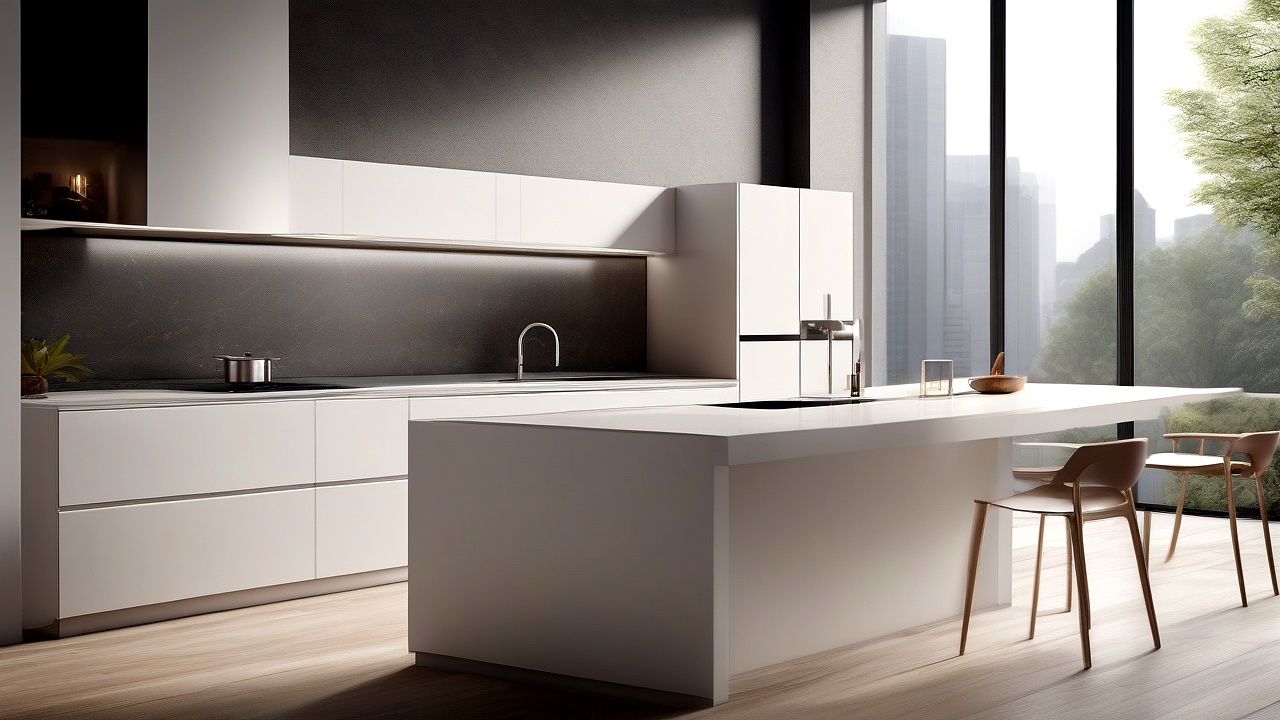
In this article we will highlight the advanced technologies of top global brands such as LG, Samsung, Bosch, Whirlpool, Panasonic, and Haier, so that you can make an informed decision which appliance will be most suitable for your home.
1. Refrigerator Technology Comparison: Inverter Compressor vs. Digital Inverter vs. Twin Cooling
A refrigerator is an appliance that is on 24/7. So the efficiency and noise level of its compressor and cooling system have a direct impact on your electricity bill and kitchen environment. Let’s see what technology the major brands are using:
LG: Linear Inverter Compressor + Smart ThinQ
- Linear Inverter Compressor: This compressor is 32% more energy-efficient and produces 25% less noise than traditional reciprocating compressors. It maintains precise temperature through variable speed control, resulting in high food preservation.
- Smart ThinQ: LG’s smart refrigerators can be controlled from smartphones through Wi-Fi and AI. For example, you can create a grocery list, check food stock from the camera inside the fridge, and even get notifications when the fridge door is open.
- Door-in-Door Design: There are separate small doors for quick access to fresh food and drinks, so that the temperature fluctuation of the main compartment is less.
Samsung: Digital Inverter Compressor + Twin Cooling Plus
- Digital Inverter Compressor: Samsung’s Digital Inverter Compressor can control speed up to 7 levels, thereby reducing energy consumption and increasing the lifespan of the compressor. It is claimed to be 20% more energy-efficient.
- Twin Cooling Plus: This technology uses two separate cooling systems to maintain different temperatures for the fridge and freezer compartments. As a result, humidity control is much better and food preservation time increases.
- Convertible Mode: In some Samsung models, the fridge compartment can be converted into a freezer, so that the flexibility of seasonal food storage is available.
Bosch: VitaFresh Pro + Intelligent Inverter Compressor
- Intelligent Inverter Compressor: Bosch’s inverter compressor can control up to 5 levels of speed and is 20% more energy-efficient. It also comes with a 10-year warranty, which increases confidence in reliability.
- VitaFresh Pro: This technology creates two separate humidity zones—high humidity for fruits & vegetables and low humidity for meat & fish. As a result, it is claimed that the freshness of food increases up to 30%.
- MultiAir Flow: The air inside the fridge circulates uniformly, resulting in no temperature fluctuation in any compartment.
Comparison Table: Refrigerator Technologies
| Brand | Compressor Technology | Energy Efficiency | Noise Level | Smart Features | Unique Selling Point |
|---|---|---|---|---|---|
| LG | Linear Inverter | 32% more efficient | 25% less noise | Smart ThinQ, Wi-Fi control | Door-in-Door, AI-powered features |
| Samsung | Digital Inverter | 20% more efficient | 15% less noise | SmartThings, voice control | Twin Cooling Plus, convertible mode |
| Bosch | Intelligent Inverter | 20% more efficient | 20% less noise | Home Connect, app control | VitaFresh Pro, 10-year compressor warranty |
| Whirlpool | Adaptive Inverter | 18% more efficient | 10% less noise | Whirlpool Smart App | 6th Sense Technology, moisture retention |
| Panasonic | Inverter Compressor | 25% more efficient | 30% less noise | Magnetic Shielding | VegiFresh, nanoe-G air purification |
2. Washing Machine Technology: Direct Drive vs. Inverter Motor vs. AI Wash
The motor and control system of the washing machine determines how long the life of your clothes will be, how low the electricity consumption will be, and how short the wash cycle time will be. Let’s see who among the major brands is using what technology:
LG: AI DD Motor + TurboWash
- AI DD Motor: LG’s Direct Drive motor drives the drum directly without any belt or pulley, resulting in reduced energy consumption and reduced noise level by up to 30%. AI-powered sensor detects clothes’ weight, fabric type, and dirt level and selects automatic wash cycle.
- TurboWash: This technology completes the entire wash cycle in 39 minutes, which is 50% less time than traditional machines.
- Smart Diagnosis: Through the smartphone app, any problem of the machine can be diagnosed and solution suggestions are given.
Samsung: EcoBubble + AI Control
- EcoBubble: This Samsung technology mixes air bubbles with detergent and water, resulting in a more effective detergent and up to 20% less wash cycle time.
- AI Control: Detects clothes weight, fabric type, and dirt level and selects automatic wash cycle. Besides, remote control can be done through smartphone app.
- Digital Inverter Motor: This motor comes with a 10-year warranty and is 30% more energy-efficient.
Bosch: EcoSilence Motor + i-DOS
- EcoSilence Motor: This brushless DC motor from Bosch is more durable and produces up to 50% less noise.
- i-DOS: automatic detergent dosing system that detects the weight and dirt level of clothes and releases precise amount of detergent. As a result, there is no detergent waste and the life of clothes increases.
- SpeedPerfect: Reduces wash cycle time by up to 65%, resulting in faster clothes in urgent situations.
Comparison Table: Washing Machine Technologies
| Brand | Motor Technology | Energy Efficiency | Wash Time Reduction | Smart Features | Unique Selling Point |
|---|---|---|---|---|---|
| LG | AI DD Motor | 30% more efficient | 50% less time | Smart Diagnosis, Wi-Fi control | TurboWash, AI-powered wash |
| Samsung | Digital Inverter | 25% more efficient | 20% less time | AI Control, SmartThings | EcoBubble, remote start |
| Bosch | EcoSilence Motor | 20% more efficient | 65% less time | Home Connect, app control | i-DOS, SpeedPerfect |
| Whirlpool | 6th Sense Inverter | 18% more efficient | 30% less time | Whirlpool Smart App | ZPF Technology, auto detergent dosing |
| Panasonic | Inverter Motor | 22% more efficient | 40% less time | Panasonic Home App | Jet System, nanoe-G air wash |
3. Air Conditioner Technology: Inverter AC vs. Dual Inverter vs. Variable Refrigerant Flow (VRF)
Air conditioner compressor technology determines how low your electricity bill will be and how good the cooling performance will be. Let’s see who among the major brands is using advanced technology:
LG: Dual Inverter Compressor + Art Cool
- Dual Inverter Compressor: This LG compressor works together with two inverter systems, resulting in energy consumption reduced by up to 70% and cooling capacity increased by up to 20%. Besides, the noise level is reduced up to 50%.
- Art Cool: Through this technology, both the design aesthetic and cooling performance of the AC indoor unit are optimized. Some models have nano silver coating inside the evaporator coil which kills bacteria and viruses.
- Jet Cool: cools the room in 30 minutes, much faster than traditional AC.
Samsung: Digital Inverter 8-Pole + Wind-Free
- Digital Inverter 8-Pole: This Samsung compressor can control speed up to 8 levels, thus reducing energy consumption by up to 60% and increasing the lifespan of the compressor.
- Wind-Free: This technology distributes the cool air to different parts of the room without sending it directly to the user, resulting in uniform cooling and reducing energy consumption by up to 72%.
- Mono Block Design: Everything is done in one unit without separating outdoor and indoor unit, so installation is much easier.
Daikin: Variable Refrigerant Flow (VRF) + Coanda Airflow
- VRF Technology: Daikin’s technology connects multiple indoor units to one outdoor unit, resulting in energy consumption reduced by up to 30% and cooling performance much better.
- Coanda Airflow: cool air flows towards the ceiling and then gradually comes down to the bottom of the room, resulting in uniform cooling and no energy waste.
- Flash Streamer: indoor air purification system that kills bacteria, viruses, and allergens.
Comparison Table: Air Conditioner Technologies
| Brand | Compressor Technology | Energy Efficiency | Noise Level Reduction | Smart Features | Unique Selling Point |
|---|---|---|---|---|---|
| LG | Dual Inverter | 70% more efficient | 50% less noise | ThinQ, Wi-Fi control | Art Cool, Jet Cool, nano silver coating |
| Samsung | Digital Inverter 8-Pole | 60% more efficient | 40% less noise | SmartThings, voice control | Wind-Free, Mono Block Design |
| Daikin | VRF (Variable Refrigerant Flow) | 30% more efficient | 35% less noise | Intelligent Eye, Coanda Airflow | Multi-split compatibility, Flash Streamer |
Which Air Conditioner Technology Should You Choose?
Which AC technology will be best for you will depend on your budget, room size, and required features. Below is a quick guide:
- Home/Studio Apartment (1-2 rooms): LG’s Dual Inverter or Samsung’s Digital Inverter 8-Pole are good options. They are energy efficient, low noise, and have smart features.
- Large Home/Multi-room Setup: Daikin’s VRF technology is the best choice because it can connect multiple indoor units to one outdoor unit and greatly reduces energy consumption.
- Budget-Friendly Option: If budget is tight then basic Inverter AC is enough. They consume much less electricity than traditional AC and are also less noisy.
- Smart Home Integration: If you have a smart home setup, you can get compatible ACs with LG ThinQ or Samsung SmartThings. They provide voice control and remote monitoring.
Energy Efficiency Ratings: What Do They Mean?
Looking at the energy efficiency rating is very important while buying an AC. Generally ACs are rated in two types:
- EER (Energy Efficiency Ratio): It is the cooling capacity of the AC divided by the power consumption. The higher the EER, the more energy efficient the AC.
- SEER (Seasonal Energy Efficiency Ratio): It measures the energy efficiency of the entire season. The higher the SEER rating, the more efficient the AC.
The 3-star to 5-star rating is typically used in the US market. 5-star ACs are the most energy efficient and reduce the electricity bill.
Maintenance Tips for Long-Lasting AC Performance
The lifespan and performance of an AC depends a lot on its proper maintenance. Below are some important maintenance tips:
- Regular Filter Cleaning: AC air filter should be cleaned every 2-3 months. As a result, air flow is good and energy consumption is reduced.
- Coil Cleaning: The coils of outdoor and indoor units should be cleaned at least once a year. As a result there is no extra load on the compressor and the lifespan of the AC increases.
- Gas Check-Up: Refrigerant gas level of AC should be checked regularly. If the gas is reduced, the cooling performance is poor and there is a possibility of compressor damage.
- Thermostat Calibration: Check whether the thermostat is working properly. Many times AC consumes more electricity due to thermostat.
- Outdoor Unit Protection: Care should be taken to ensure that the outdoor unit is not exposed to direct sunlight and rainwater. Can use a canopy or cover.
Conclusion
In this article, we have discussed the differences, pros and cons, and which one is best for whom among the three major technologies of air conditioners—Inverter AC, Dual Inverter, and Variable Refrigerant Flow (VRF). LG’s Dual Inverter and Samsung’s Digital Inverter 8-Pole are ideal for home users, while Daikin’s VRF technology is best suited for larger homes or multi-room setups.
Before choosing the best AC technology according to your budget and needs, you must consider energy efficiency rating, smart features, and maintenance cost. Remember, a good AC not only reduces the electricity bill, but also takes care of your comfort and health.
If you are still confused which AC to buy, then you can contact the expert team of ApplianceSky. We will help you to ensure the best deal and genuine product. And before buying any AC, you must know about its warranty and after-sales service.
Finally, as important as choosing a good AC, its proper maintenance is equally important. By regular cleaning and servicing, you can increase the lifespan of your AC and keep its performance at the highest level.

About the Author
Hi I am an Engineer I have passed my diploma in Engineering in 2007. Academically I have studied about home appliances and various motors and machineries. In 2012 I have started my blogging and learned a lot of things about home appliances especially washing appliances, washing and cleaning related products, and eequipments. In 2019 I have started my blog https://appliancesky.com to provide my research and experience with my fan and followers.