The Impact of Hard Water on Electric Burners Performance and How to Mitigate It
Understanding Hard Water and Its Effects on Electric Burners
Hard water contains high levels of dissolved minerals, primarily calcium and magnesium. When this type of water comes into contact with your electric burner, it can cause a variety of problems. Mineral deposits accumulate on the burner, which reduces heating efficiency and increases power consumption. Additionally, the lifetime of the burner can also be reduced due to repeated mineral buildup.
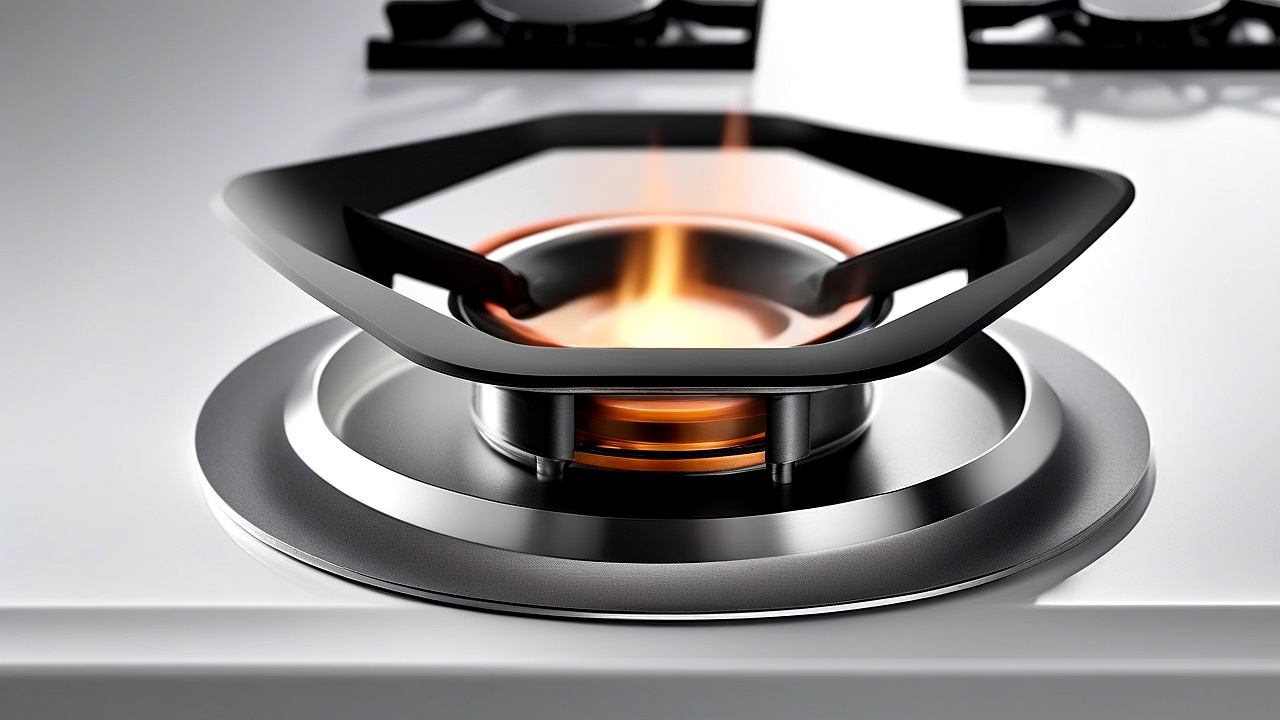
These problems not only affect the performance of the burner but also spoil the overall hygiene of the kitchen. Many people may not know that the heating element under the electric burner can corrode quickly due to hard water. As a result, over time the burner can no longer work properly.
How Hard Water Affects Electric Burner Performance
The effect of hard water can be seen in different parts of the electric burner. Below are some of its main reasons:
1. Mineral Deposits and Scaling
When hard water is heated, minerals such as calcium and magnesium solidify and begin to deposit on the burner. These deposits are called “scale” or “limescale”. Over time, these scales build up around the burner surface and heating element, causing:
- Heat transfer is reduced, so the burner must run longer.
- Power consumption increases because the burner uses more energy trying to heat up.
- The control knob or indicator light on the burner may become less responsive.
2. Corrosion and Wear
The metal parts of the burner gradually corrode due to mineral deposits. In particular, the protective coating around the heating element is damaged, resulting in:
- Burner life is shortened.
- The risk of electrical short circuits increases.
- Repair or replacement costs rise.
3. Uneven Heating and Hot Spots
Due to mineral deposits, the heat distribution across the burner surface becomes uneven. As a result:
- Food is not cooked properly or fried evenly.
- The bottom of the pot on the burner must be cleaned frequently.
- Burnt food is more likely to occur.
Signs Your Electric Burner is Affected by Hard Water
Some signs you can look for to understand if your electric burner is damaged by hard water:
- Burner takes longer to heat up: If it does not heat up as quickly as before, it should be understood that heat transfer has decreased due to mineral deposits.
- White or yellow spots on the burner: This is the main symptom of limescale. These deposits become thicker over time.
- Burner makes unusual noises: such as crackling or popping sounds. This is usually caused by mineral deposits.
- Control knob or indicator light is not working: Mineral deposits can damage the inner circuits of the control panel.
- Food burns or does not cook properly: This is the most common sign. Uneven heat distribution on the burner occurs due to mineral deposits.
Step-by-Step Guide to Cleaning Electric Burners Affected by Hard Water
Regular maintenance is important to clean electric burners damaged by hard water. You can keep your burner in good condition by following the steps below:
Step 1: Safety First – Unplug the Burner
Turn off the power supply to the burner before any cleaning. Also, wait for the burner to cool down completely.
Step 2: Remove Removable Parts
Remove removable parts on the burner such as glass or metal drip pans, burner caps, and grates. It is better to clean them separately.
Step 3: Soak Parts in Vinegar Solution
Mix equal parts water and white vinegar in a large bowl. Then:
- Soak the removable parts in this solution for at least 30 minutes to 1 hour.
- If deposits are thicker, soak for a longer time.
Step 4: Scrub Gently with a Soft Brush or Sponge
After soaking in the vinegar solution, gently scrub away the deposits using a soft brush or non-abrasive sponge. Be careful not to damage the surface of the burner.
Step 5: Clean the Burner Surface
Clean the top part of the burner:
- Use a microfiber cloth or soft sponge.
- If deposits are thick, use the vinegar solution again.
- Never use abrasive cleaners or steel wool, as they can damage the burner surface.
Step 6: Rinse and Dry Thoroughly
Wash all parts thoroughly and dry completely. Then turn the burner back on.
Best Cleaning Solutions for Hard Water Deposits
There are effective cleaning solutions for removing hard water deposits. Below are some of the best options:
1. White Vinegar
Vinegar is the most readily available and effective solution. It acts as a natural acid and dissolves limescale quickly.
- Make a solution by mixing equal parts of vinegar and water.
- Soak parts in this solution.
- Then remove deposits with a soft brush.
2. Lemon Juice
Lemon juice contains a high amount of citric acid, which helps remove limescale.
- Sprinkle lemon juice directly on the deposits.
- Wait 10-15 minutes.
- Then rub it with a soft sponge.
3. Baking Soda Paste
Mix baking soda and water to make a paste. It is not abrasive but helps remove limescale.
- Make paste and apply it to the deposits.
- Wait 15-20 minutes.
- Then rub it with a soft brush.
4. Commercial Descalers
Various types of commercial descalers are available in the market, such as:
- CLR (Calcium, Lime, and Rust Remover)
- Lime-A-Way
- Scale Off
Be sure to follow the manufacturer‘s instructions before using them.
Preventive Measures to Protect Electric Burners from Hard Water
Some preventive measures can be taken to protect the electric burner from the harmful effects of hard water. They are highlighted below:
1. Use Water Softeners
If your kitchen water is hard, you can install a water softener system. This reduces the mineral content of the water, resulting in less accumulation of deposits on the burner.
2. Regular Cleaning Routine
To prevent deposits from accumulating, follow a regular cleaning routine. Clean the burner at least once a week.
3. Use Filtered Water
If possible, use filtered water in the kitchen. This will help reduce mineral deposits on the burner.
4. Avoid Boiling Hard Water Directly
Hard water should not be boiled directly on the burner. If possible, boil water using a water filter.
5. Use Stainless Steel or Cast Iron Pans
Using stainless steel or cast iron pans causes fewer deposits on the burner. They are more durable and less harmful than aluminum or non-stick utensils.
Common Mistakes to Avoid While Cleaning Electric Burners
Many people make some common mistakes while cleaning the electric burner, which can actually damage the burner. They are highlighted below:
- Using Abrasive Cleaners: Using steel wool, sandpaper, or abrasive powder can damage the surface of the burner.
- Cleaning with the Burner on: Cleaning with the burner on can be dangerous and poses a risk of electrical shock.
- Using harsh chemicals: Using bleach or other harsh chemicals may damage the surface of the burner and void the warranty.
- Operating Burner without complete drying: If there is any moisture inside the burner, it may cause an electrical short circuit.
- Not removing removable parts: If you clean the burner without removing its removable parts, deposits inside may not be fully removed.
When to Seek Professional Help
If you still cannot resolve the issue after cleaning the burner yourself, you should seek professional help. Below are some symptoms when you should get help from a professional:
- Burner takes a long time to heat up and does not work as it used to.
- Burner makes unusual sounds or the flame flickers.
- Control knob or indicator light is not working.
- Heating element inside the burner is damaged.
- Problems persist even after repair.
A professional technician will inspect the burner’s internal circuits, heating element, and control panel and arrange for necessary repairs or replacements.
Frequently Asked Questions (FAQs)
1. How much does hard water reduce the lifespan of an electric burner?
Hard water can reduce the lifespan of an electric burner by about 20-30%. Without regular cleaning and preventive measures, this damage occurs more quickly. When mineral deposits accumulate on the burner, heating efficiency decreases and electricity consumption increases. Therefore, it is important to follow a regular cleaning routine.
2. What type of brush should be used to clean an electric burner?
Always use a soft-bristled brush or non-abrasive sponge to clean the burner. Examples include:
- Toothbrush (soft bristles) – Works well in small areas.
- Microfiber cloth – Ideal for light scrubbing.
- Silicone brush – Helps clean without scratching.
Brushes to avoid:
- Steel wool – Can scratch the burner surface.
- Abrasive scrubbers – Such as wet cloths or stiff brushes.
- Metallic scrapers – Pose a direct scratching risk.
3. Does using vinegar to clean the burner cause any damage?
No, using vinegar does not cause any damage. In fact, vinegar acts as a natural acid and helps remove limescale. It breaks down calcium and magnesium deposits on the burner. However, some precautions should be taken:
- Do not use excessive vinegar – High concentrations may slightly affect the burner’s coating in some cases.
- Rinse thoroughly after cleaning – Ensure no residue remains.
- Works well on stainless steel or cast iron – For other metals, test a small area first.
4. What is the most effective water filter for hard water?
There are different types of water filters for hard water, but some of the most effective include:
| Filter Type | Effectiveness | Advantages | Disadvantages |
|---|---|---|---|
| Reverse Osmosis (RO) Filter | Removes 95-99% of minerals | Most effective, long-lasting | Higher cost, requires regular maintenance |
| Water Softener (Ion Exchange) | Removes calcium & magnesium ions | Long-term solution, easy to use | Higher cost, requires regular salt refills |
| Activated Carbon Filter | Removes chlorine and some minerals | Affordable and easy to find | Not a complete hard water solution |
| Magnetic Water Conditioner | Changes mineral structure to prevent buildup | No chemicals used, easy to install | Not always effective, limited scientific evidence |
Choose the best filter based on your needs. For example, if you need a solution for your entire home, a water softener is best. If you only need it for the kitchen, an RO filter is more effective.
5. What should be done if there is heavy scaling on the burner?
If you notice heavy scaling on the burner that does not come off with regular cleaning, follow these steps:
- Deep cleaning: First, disassemble the burner (if possible). Then soak the parts in hot water.
- Strong vinegar or lemon juice solution: Mix 50% vinegar + 50% hot water and soak parts for 1-2 hours.
- Scrub with a brush: Gently scrub with a soft brush. If scaling is tough, use baking soda paste.
- Soak again: If scaling remains, soak again in the vinegar solution.
- Clean and dry thoroughly: Rinse well and dry completely.
If this does not work, seek professional help. Sometimes, heavy scaling damages the internal wiring of the burner, making repair impossible.
Conclusion
Mineral deposits from hard water not only reduce heating efficiency but also shorten the burner’s lifespan. Regular cleaning and preventive measures can significantly reduce this problem. For example:
- Clean the burner at least once a week – Vinegar or lemon juice can easily remove limescale.
- Use a water softener or filter – Prevents damage to the burner from hard water.
- Use stainless steel or cast iron cookware – These cause less scaling.
- Avoid overheating – High temperatures cause mineral deposits to build up faster.
If you notice heavy scaling on the burner that does not come off with regular cleaning, do not delay seeking professional help. Once the internal wiring of the burner is damaged, repairs become much more expensive.
Take care of your electric burner today, keep it clean regularly, and protect it from hard water. This will ensure your burner works well for a long time and reduces electricity costs.

About the Author
Hi I am an Engineer I have passed my diploma in Engineering in 2007. Academically I have studied about home appliances and various motors and machineries. In 2012 I have started my blogging and learned a lot of things about home appliances especially washing appliances, washing and cleaning related products, and eequipments. In 2019 I have started my blog https://appliancesky.com to provide my research and experience with my fan and followers.