Range Hood Tripping Breaker or Shutting Down Unexpectedly? Know the Solution Complete Guide
Introduction: Why Range Hood Problems?
The range hood is an essential appliance in your kitchen, which helps to remove smoke, odors, and grease. But if it shuts off suddenly or the breaker trips repeatedly, it causes frustrating problems while cooking. These problems are usually caused by a few reasons—
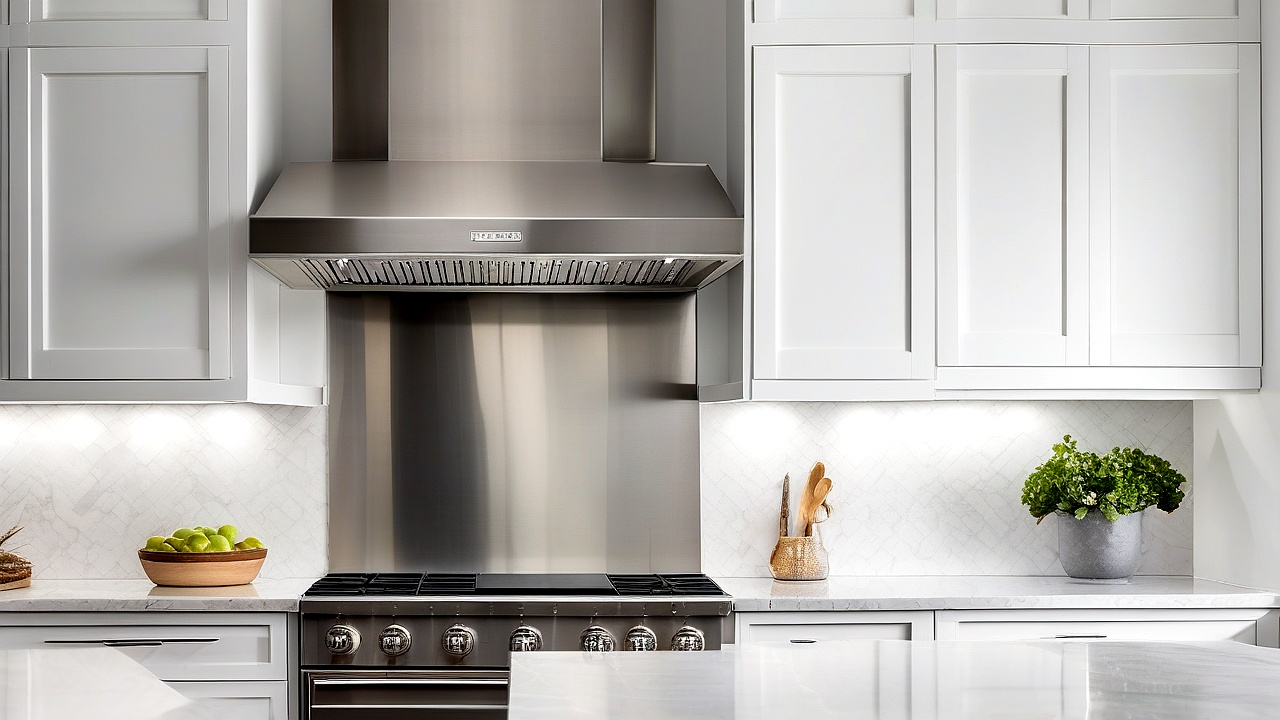
- Overloaded Circuit: A breaker may trip if too many appliances are switched on in the same circuit.
- Faulty Wiring: Old or damaged wiring can cause excess current to flow.
- Defective Motor: If the range hood motor overheats or is damaged, it may stop suddenly.
- Clogged Filters: Filters clogged with grease and dust obstruct airflow, causing the motor to overwork.
- Moisture or Grease Buildup: Excess moisture or grease buildup in internal parts reduces motor performance.
Resolving these issues will get your range hood working properly again. Let’s look at the solutions step by step.
Step 1: Check whether the breaker is tripping
First, check if the breaker has tripped. If the breaker has tripped, try turning it back on. If the trip occurs repeatedly, follow the steps below.
Solution:
- Reset Breaker: Turn the corresponding breaker off and on again from the breaker box. If it trips again, the problem is elsewhere.
- Check other appliances: See if any other heavy appliances (e.g., fridge, microwave) are running on the same circuit. If so, turn them off and turn on the range hood again.
- Check for Circuit Overload: If multiple devices are operating on the same circuit, connect the range hood to a separate circuit.
Step 2: Check the Range Hood’s Power Connection
Check if the power cable or plug of the range hood is damaged. Often, when the wire is loose or damaged, the power flow is interrupted.
Solution:
- Reconnect the plug: Insert the range hood plug into the socket properly. If loose, replace it.
- Check for wire damage: Inspect the wire for frayed parts or a burning smell. If so, have it repaired by an electrician quickly.
- Test outlet: Plug another device into that socket and see if it works. If not, there may be a socket issue.
Step 3: Clean the filter
Range hood filters clogged with grease and dust can cause the motor to overwork and shut down unexpectedly.
Solution:
- Clean the metal filter: Most range hoods have metal filters that should be cleaned at least once a month. Wash them in hot water with dish soap.
- Change the carbon filter: The carbon filter usually needs to be changed after 3-6 months. If it’s outdated, install a new filter.
- Clean the fan blades: Grease buildup on the fan blades puts extra stress on the motor. Clean them.
Step 4: Check Motor Condition
If the range hood motor overheats or is damaged, it may shut down suddenly.
Solution:
- Check if the motor is overheating: If the motor overheats, take a short break and restart it. If it heats up repeatedly, there may be a problem with the motor.
- Listen for motor running: When turning on the range hood, listen for the motor. If there is any abnormal noise, the motor may be damaged.
- Have a professional check: If a motor problem is suspected, have an electrician or service technician repair it.
Step 5: Clean Internal Parts
Grease and dust buildup in the range hood’s internal parts reduces motor efficiency and can cause it to shut down unexpectedly.
Solution:
- Clean the duct: Grease buildup in the range hood duct restricts airflow. Clean the duct regularly.
- Clean around the motor: Grease buildup around the motor can cause it to overheat. Clean it regularly.
- Clean the vent: Dust buildup in the vent reduces airflow. Clean the vent.
Step 6: Check the Thermal Protector
Many range hoods have a thermal protector to prevent the motor from overheating. If this protector is damaged, the motor may shut down.
Solution:
- Locate the thermal protector: The thermal protector is usually near the motor. Check the manual to find its location.
- Test the protector: If the protector is overheating, it may need to be replaced.
- Seek professional help: If the thermal protector needs replacement, call an electrician.
Step 7: Inspect the Control Panel
Problems with the range hood’s control panel can cause it to shut down unexpectedly.
Solution:
- Check the buttons: See if the control panel buttons are working. If any button is not functioning, it may need replacement.
- Inspect the circuit board: If the circuit board is damaged, the entire control panel may need replacement.
- Seek professional help: Call a technician to resolve control panel issues.
Step 8: Consider Buying a New Range Hood
If none of the above solutions work, the range hood may be completely damaged. In this case, consider buying a new one.
Factors to Consider Before Buying:
- CFM Rating: Higher CFM means better airflow. Typically, 400-600 CFM is sufficient.
- Noise Level: Choose a range hood with a low noise level (below 40 decibels).
- Energy Efficiency: Inverter compressor models are energy-efficient.
- Easy Maintenance: Choose models with easy-to-clean filters and designs.
- Brand & Warranty: Buy from reputable brands and ensure at least a 1-year warranty.
Frequently Asked Questions (FAQ)
1. Why does the range hood breaker keep tripping?
The main causes include:
- Too many appliances running on the same circuit.
- Damaged wiring or plug.
- Motor overheating.
- Using a breaker with the wrong wattage.
2. Why is the range hood motor overheating?
Possible causes include:
- Filters not being cleaned.
- Grease buildup in internal parts.
- Thermal protector damage.
- Running the hood for extended periods.
3. How often should the range hood filter be replaced?
Clean metal filters monthly. Replace carbon filters every 3-6 months.
4. What should I do if the range hood breaker trips?
First, reset the breaker. If it trips again, follow the steps above.
5. Which brands should I consider when buying a new range hood?
Reputable brands include Bosch, LG, Faber, Elica, and Glen. These brands offer durability and good performance.
Conclusion: Final Thoughts on Range Hood Troubleshooting
While a tripping breaker or unexpected shutdown in a range hood is a common issue, most problems have simple causes. Following the steps above should help you resolve most issues. However, if the problem persists or involves complex electrical issues, it’s safest to call an experienced electrician or service technician. Avoid excessive DIY attempts, as incorrect troubleshooting can damage the system.
Remember, regular cleaning and maintenance will keep your range hood functioning well for years. Clean the filters at least once a month, keep internal parts clean, and monitor the motor’s condition. Also, read the manual provided with your range hood—it contains important information for troubleshooting.
Care requirements may vary depending on your range hood brand and model. For example, brands like Bosch or Samsung may have specific maintenance guidelines. Always follow the manual for proper care.
If you’re considering a new range hood, opt for energy-efficient models like ductless or ducted range hoods that suit your kitchen’s needs. Choose models with low noise levels and power consumption.
—
Additional Tips for Range Hood Care and Maintenance
To ensure your range hood lasts longer, regular cleaning alone isn’t enough—you should also consider other factors. Below are some extra tips to help keep your range hood in good condition:
1. Replace Filters Regularly
- Charcoal Filter: Commonly used in ducted range hoods. Replace every 3 to 6 months, depending on usage.
- Aluminum Grease Filter: This filter can be washed and reused. However, if it becomes excessively dirty or damaged, replace it.
- Replacement Timing: Check filters regularly. If they become too dirty or start emitting odors, replace them.
2. Keep Internal Parts Clean
Clean internal parts like the motor, fan blades, and control panel regularly. Dust buildup can reduce motor efficiency and increase the risk of overheating. Use a soft cloth or brush for cleaning, and check the manual before using any chemicals.
3. Regularly Inspect the Breaker and Wiring
A tripping breaker is sometimes caused by wiring issues. Inspect the breaker and wiring at least once a year. Replace any damaged or loose wires immediately. If the breaker trips frequently, it may need replacement.
4. Reduce Noise Levels
High noise levels in a range hood are often due to motor issues or dust buildup on fan blades. Clean the fan blades regularly and monitor the motor. If noise levels become excessive, it may indicate a motor problem.
—
Essential Tools for Troubleshooting a Range Hood
Some basic tools are necessary for troubleshooting a range hood. Below is a list of tools you should have:
| Tool Name | Purpose |
|---|---|
| Multimeter | Used to test electrical connections. Helps diagnose breaker tripping issues. |
| Screwdriver Set | Used to open the back of the range hood and clean internal parts. |
| Brushes (Soft and Hard) | Used to clean filters and internal parts. Helps remove dust and grease. |
| Cloth and Cleaning Solution | Used to clean filters and internal parts. Use mild detergent or specialized cleaner. |
| Pliers | Used to check damaged wires or connections. Helps tighten loose wires. |
| Thermometer | Used to measure motor temperature. Helps diagnose overheating issues. |
—
Conclusion: Final Thoughts on Range Hood Troubleshooting
While a tripping breaker or unexpected shutdown in a range hood is a common issue, most problems have simple causes. Following the steps above should help you resolve most issues. However, if the problem persists or involves complex electrical issues, it’s safest to call an experienced electrician or service technician. Avoid excessive DIY attempts, as incorrect troubleshooting can damage the system.
Remember, regular cleaning and maintenance will keep your range hood functioning well for years. Clean the filters at least once a month, keep internal parts clean, and monitor the motor’s condition. Also, read the manual provided with your range hood—it contains important information for troubleshooting.
Care requirements may vary depending on your range hood brand and model. For example, brands like Bosch or Samsung may have specific maintenance guidelines. Always follow the manual for proper care.
If you’re considering a new range hood, opt for energy-efficient models like ductless or ducted range hoods that suit your kitchen’s needs. Choose models with low noise levels and power consumption.
Lastly, remember that a good range hood not only improves kitchen air quality but also makes cooking more comfortable and healthier. Take care of your range hood, don’t ignore issues, and seek expert help when needed. We hope this guide helps you troubleshoot your range hood issues. If you have more questions, feel free to comment or contact us—we’re always here to help!

About the Author
Hi I am an Engineer I have passed my diploma in Engineering in 2007. Academically I have studied about home appliances and various motors and machineries. In 2012 I have started my blogging and learned a lot of things about home appliances especially washing appliances, washing and cleaning related products, and eequipments. In 2019 I have started my blog https://appliancesky.com to provide my research and experience with my fan and followers.