Understanding Motors and Capacitors Inside Modern Electric Burners
Modern electric burners use several important components, and two of the most essential are the motor and capacitor. Without these two parts, an electric burner would not function. But how do they work? What happens if they malfunction? Let’s examine them in detail.
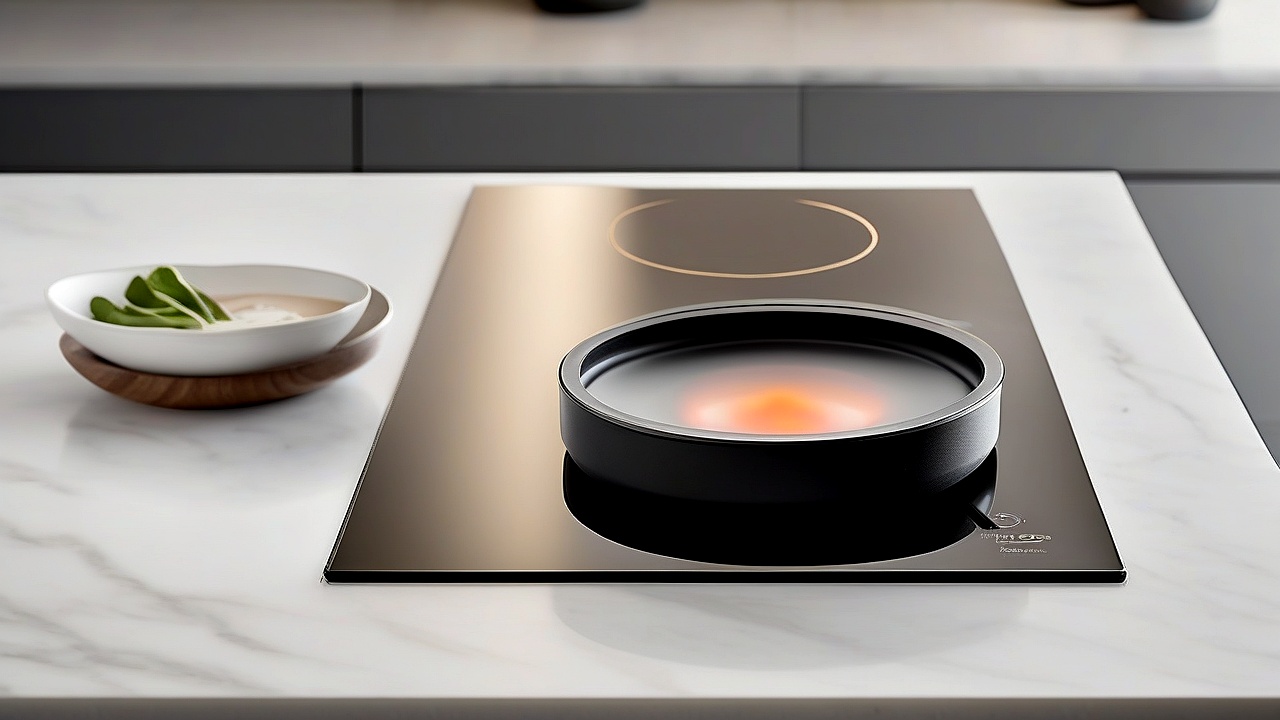
Role of Motor and Capacitor in Electric Burners
Electric cooktops generally fall into two categories: induction burners and radiant burners. Motors and capacitors are used in both types, though their functions differ.
1. Role of Motor in Induction Burners
Induction burners require high-frequency alternating current to generate a coil and magnetic field. An inverter circuit controls this high-frequency current, while a motor helps regulate it precisely.
For example, the Bosch PIF672FB1E model induction burner uses a brushless DC motor, which efficiently manages power flow and minimizes energy waste.
2. Role of Capacitor in Induction Burners
A capacitor stabilizes the flow of electricity in electrical appliances. It performs power factor correction, improving power supply efficiency and reducing energy costs.
Additionally, the capacitor protects the electronic circuit from overvoltage. Capacitor values in the LG LEC3023ST model induction burner typically range from 10µF to 22µF.
3. Role of Motor and Capacitor in Radiant Burners
Radiant burners usually do not require a motor, as they generate heat directly through electrical resistance. However, some advanced models, such as the GE PHP9030SJSS, include a fan motor to cool the appliance’s exterior and reduce excess heat.
A capacitor is still used to stabilize current flow and protect the circuit. Capacitors in radiant burners typically range from 5µF to 15µF.
Working of Motor and Capacitor
Function of Motor
A motor converts electrical energy into mechanical energy. Motors used in electric burners generally fall into two types:
- AC Motor: Powered directly by alternating current. Common in older electric burners.
- DC Motor: Powered by direct current from a battery or rectifier. Used in modern induction burners.
The main parts of a motor include:
- Rotor: The rotating component of the motor.
- Stator: The stationary component that creates the magnetic field.
- Bearings: Enable smooth rotation of the rotor.
- Shaft: Transfers rotational power to other components.
Function of Capacitor
A capacitor stores electrical charge and releases it as needed. Its primary functions in electric appliances include:
- Power Factor Correction: Improves power supply efficiency.
- Voltage Regulation: Maintains stable power flow.
- Noise Reduction: Minimizes electronic circuit noise.
- Protection: Shields the circuit from overvoltage.
The main parts of a capacitor include:
- Plates: Store electrical charge.
- Dielectric: Insulates the plates from each other.
- Terminals: Connect the capacitor to the circuit.
Motor and Capacitor Problems and Solutions
Common Motor Problems
Some frequent issues with electric burner motors include:
- Overheating: Occurs when bearings wear out or excessive current flows.
- Noise: Often caused by damaged bearings or motor imbalance.
- Failure to Start: Usually due to power flow issues, damaged bearings, or faulty motor coils.
- Low Efficiency: Results from worn bearings or damaged motor coils.
Motor Troubleshooting
Follow these steps to diagnose and fix motor issues:
- Cleaning the Bearings: Wipe bearings with a clean cloth and apply machine oil.
- Testing Current Flow: Use a multimeter to check for proper current.
- Checking the Motor Coil: Test the coil for damage using a multimeter.
- Replacing the Motor: If issues persist, replace the motor.
Common Capacitor Problems
Common capacitor issues in electric appliances include:
- Bulging: Caused by excess voltage or heat.
- Leakage: Occurs when the dielectric breaks down.
- Failure to Charge: Usually due to damaged terminals or reduced capacitance.
- Short Circuit: Results from a damaged dielectric.
Capacitor Problem Solving
To resolve capacitor issues, follow these steps:
- Cleaning the Capacitor: Wipe the capacitor with a clean cloth.
- Checking the Terminals: Inspect terminals for damage using a multimeter.
- Replacing the Capacitor: If issues persist, replace the capacitor.
- Testing Current Flow: Verify proper current flow with a multimeter.
Motor and Capacitor Selection and Replacement
Things to Consider When Choosing a Motor
When selecting a motor for an electric burner, consider the following:
- Voltage Rating: Must match the appliance’s voltage requirements.
- Current Rating: Should align with the appliance’s current needs.
- Speed: Should meet the burner’s operational requirements.
- Efficiency: Higher efficiency reduces energy consumption.
- Noise Level: Quieter motors improve user comfort.
Considerations When Selecting a Capacitor
When choosing a capacitor for an electric burner, keep these factors in mind:
- Voltage Rating: Must match the appliance’s voltage requirements.
- Capacitance: Determines charge storage capacity.
- Temperature Rating: Should suit the appliance’s operating environment.
- Type: Film capacitors or electrolytic capacitors are commonly used.
Steps to Replace a Motor or Capacitor
Follow these steps to replace a motor or capacitor in an electric burner:
- Disconnect the Power Supply: Turn off and unplug the appliance.
- Remove the Old Motor or Capacitor: Disassemble the necessary components.
- Install a New Motor or Capacitor: Fit the replacement part securely.
- Check Connections: Ensure all wiring is properly connected.
- Restore Power: Turn the appliance back on and test functionality.
Maintenance of Motor and Capacitor
Maintenance of Motor
Regular maintenance extends the lifespan of a motor. Follow these steps:
- Cleaning: Remove dust, dirt, and oil buildup. Use a soft brush or compressed air to clean internal parts, especially bearings and coils.
- Lubrication: Apply lubricant to motor bearings every six months (or as needed). Use high-quality lubricants to prolong bearing life.
- Voltage Regulation: Avoid overvoltage, which can damage the motor. Use a voltage stabilizer if power supply fluctuations occur.
- Temperature Monitoring: Prevent overheating by monitoring motor temperature. Stop the motor if it overheats and address the cause (e.g., overload, incorrect voltage, or insufficient lubrication).
Maintenance of Capacitor
Capacitors require regular upkeep to function properly. Follow these guidelines:
- Clean the Dust: Keep the capacitor and surrounding area free of dust to prevent overheating.
- Voltage Monitoring: Avoid overvoltage, which can damage the capacitor. Use a voltage stabilizer if power supply issues arise.
- Temperature Control: Ensure the capacitor operates within its temperature range. Excess heat shortens its lifespan.
- Regular Checks: Test capacitor performance periodically. Replace weak capacitors to prevent damage to other components.
Maintenance Schedule for Motor and Capacitor
Create a maintenance schedule to ensure longevity and reliability. Follow the table below:
| Serial No | Activity | Duration | Details |
|---|---|---|---|
| 1 | Cleaning | Every 3 months | Remove dust and dirt |
| 2 | Lubrication | Every 6 months | Apply lubricant to bearings |
| 3 | Voltage Monitoring | Monthly | Use a voltage stabilizer |
| 4 | Temperature Monitoring | Monthly | Prevent overheating |
| 5 | Performance Testing | Every 6 months | Check motor and capacitor performance |
Common Problems and Solutions
Regular maintenance helps avoid common issues. Below are typical problems and their solutions:
- Motor Overheating:
- Cause: Overload, incorrect voltage, or lack of lubrication
- Solution: Stop the motor, address the issue, and use a voltage stabilizer
- Capacitor Weakening:
- Reason: Overvoltage or excessive heat
- Solution: Replace the capacitor and monitor regularly
- Increasing Motor Noise:
- Cause: Damaged bearings or lack of lubrication
- Solution: Replace bearings or apply lubricant
Conclusion
The motor and capacitor play a vital role in electric burners. Proper operation and maintenance of these components enhance durability and performance. Regular cleaning, lubrication, voltage regulation, and temperature monitoring extend their lifespan.
Create and follow a maintenance schedule for your motor and capacitor. Address issues promptly to prevent major damage. If needed, consult a professional technician.
With proper care, your electric burner will operate reliably for years. Maintain your motor and capacitor to keep your kitchen running smoothly.

About the Author
Hi I am an Engineer I have passed my diploma in Engineering in 2007. Academically I have studied about home appliances and various motors and machineries. In 2012 I have started my blogging and learned a lot of things about home appliances especially washing appliances, washing and cleaning related products, and eequipments. In 2019 I have started my blog https://appliancesky.com to provide my research and experience with my fan and followers.