Seasonal Care Guide for Electric Burners: Summer vs Winter Protection Strategies
Electric burners are an essential part of the modern kitchen. For regular cooks, these burners heat up quickly and are easy to control. But many people don’t know that seasonal care is required to take care of these burners. If not taken care of separately in summer and winter, the burner’s performance may decrease and even cause damage in the long run.
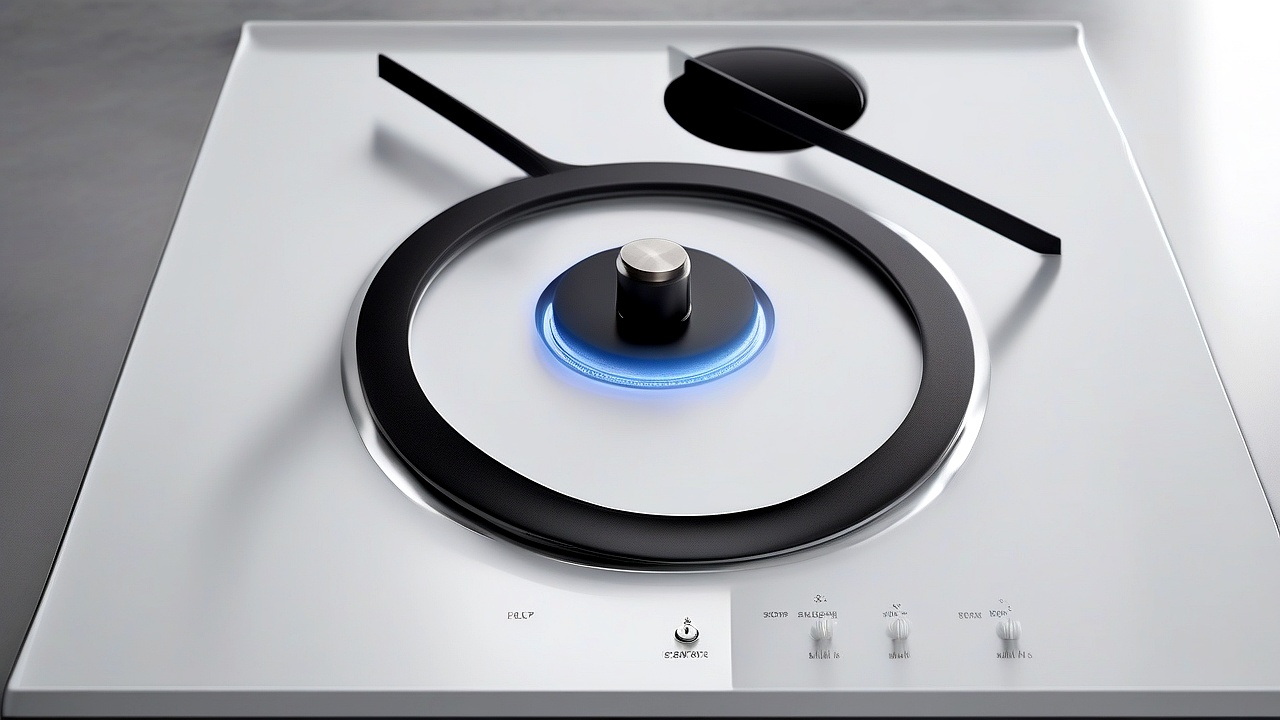
In this guide, we will discuss how to care for electric burners in summer and winter, what factors to consider, and how following a maintenance routine helps keep the burner in good condition for a long time.
How does an Electric Burner work? (Basic Mechanism)
Electric burners usually remain of two main types:
- Coil Burner: This type of burner consists of a coil-like wire that is heated by passing electricity. It is relatively inexpensive and easily replaceable.
- Radiant Burner: This type of burner has a coil under a glass or ceramic surface that heats the upper surface. It looks like a lightly polished stove and is easy to clean.
- Induction Burner: This type of burner uses a magnetic field to heat the pot directly. It is energy efficient and heats up quickly.
Each type of burner has its own advantages and disadvantages. For example, a coil burner is relatively inexpensive but can be a bit difficult to clean. On the other hand, an induction burner is efficient but requires special types of cookware.
How to take care of an Electric Burner in summer?
1. Prevent Overheating
Burners can overheat due to high temperatures in summer. This can reduce the life of the burner and even lead to a fire hazard.
How to prevent:
- Do not use heavy pans on the burner: Using heavy pans may not spread the heat properly, and the burner may overheat.
- Cook at medium temperature: Cooking at high temperatures puts pressure on the burner. Try to cook at moderate temperatures as much as possible.
- Leave enough space around the burner: Leave at least 2-3 inches of space around the burner to allow air to circulate and excess heat to dissipate.
2. Regular cleaning
Summer has more sweat and dust, which can accumulate on the burner. This may result in reduced burner performance and even damage.
Cleaning steps:
- Clean the burner after every use: Cleaning the burner immediately after use will prevent food residue from burning and damaging the coil or glass.
- Use mild detergents: Using strong chemicals may damage the burner surface. Use mild detergent and a soft cloth.
- Special care for induction burners: Do not allow any scratches on the glass surface of an induction burner. Use a damp cloth for cleaning and dry it afterward.
3. Save energy
Electricity demand is high in summer, so saving electricity is important.
Power-saving ways:
- Use the right size pot: Power is wasted if the pot size is larger than the burner. Use containers of the correct size as much as possible.
- Turn off the burner when not in use: When not using the burner, turn it off. This will reduce power wastage.
- Choose an energy-efficient burner: If using an older burner, consider purchasing an Energy Star-certified burner. It is energy efficient and reduces costs in the long run.
How to take care of an Electric Burner in winter?
1. Control Humidity
Humidity is high in winter, which, along with dust that collects on the burner, can form dirt. This may reduce the burner’s performance.
Ways to control humidity:
- Keep ventilation in the kitchen: Use ventilation or exhaust fans in the kitchen to remove excess moisture.
- Keep burner surroundings dry: Wipe and dry around the burner thoroughly after use.
- Don’t allow dirt to accumulate: Clean the burner regularly to prevent dust accumulation.
2. Protect from cold
A burner can be stressed due to low temperatures in winter, especially if it is outside the kitchen or in a slightly heated area.
How to protect against cold:
- Keep the burner on when possible: If possible, keep the burner on so that it does not overcool.
- Use a cover: If the burner is not in use for a long time, cover it with a cover to prevent dust accumulation.
- Control the temperature: Ensure that the temperature in the kitchen does not drop too low.
3. Follow a maintenance routine regularly
Following a regular maintenance routine is important to take care of the burner in winter.
Maintenance routine steps:
- Clean monthly: Clean the entire burner at least once every month. Remove dirt accumulated on the coil or glass surface.
- Check the temperature: Check the burner’s temperature regularly. If any abnormality occurs, take immediate action.
- Get professional servicing: If the burner is experiencing any problems, get professional servicing as soon as possible.
Common Issues & Fixes
1. Burner Not Heating
Possible causes:
- Power connection problem
- Burner coil or glass surface damaged
- Issue with the thermostat
Solution:
- Check the power connection first. If the connection is OK, check the coil or glass surface of the burner.
- If the coil or glass is damaged, replace it.
- Arrange professional servicing for thermostat problems.
2. Burner Overheating
Possible causes:
- Using heavy containers
- Not enough space around the burner
- Issue with the thermostat
Solution:
- Avoid using heavy utensils.
- Keep enough space around the burner.
- Check the thermostat and replace if necessary.
3. Unusual Noise from Burner
Possible causes:
- Dirt accumulation under the pot
- Burner coil loosening
- Issue with the thermostat
Solution:
- Clean the dirt accumulated under the pot.
- Check the burner coil and tighten if necessary.
- Check the thermostat and replace if necessary.
What to consider while buying an Electric Burner?
1. Select the type of burner
Select the type of burner according to your requirement:
- Coil Burner: Inexpensive and easily replaceable.
- Radiant Burner: Easy to clean and good-looking.
- Induction Burner: Energy efficient and heats up quickly.
2. Consider wattage & power consumption
The higher the wattage of the burner, the more electricity it will consume. Usually:
- Coil Burner: 1200W – 1800W
- Radiant Burner: 1500W – 2000W
- Induction Burner: 1800W – 3000W
Choose an Energy Star-certified burner to reduce your electricity bills.
3. Consider safety features
Look out for the following safety features while buying a burner:
- Auto Shut-off: Automatically shuts off when the burner is not in use.
- Child Lock: Protects children from unwanted use.
- Overheat Protection: Protects against overheating.
Electric Burner Maintenance Routine: Monthly and Annual Checklist
Monthly Maintenance Routine
A monthly maintenance routine is important to ensure long-lasting performance of your electric burner. Regular care extends the life of the burner and reduces power consumption. The following table highlights the important steps of monthly maintenance:
| Step | Procedure | Frequency | Benefits |
|---|---|---|---|
| 1. Cleaning the Burner Surface | Remove food residue from the burner surface while still hot. Use mild soap and warm water. Never use metal brushes or abrasives. | at least 2 times per month | Removes food odors and maintains burner performance. |
| 2. Cleaning Under the Burner | Clean the dust and oil residue from under the burner. Use a vacuum cleaner or microfiber cloth. | 1 time per month | Saves power and prevents overheating. |
| 3. Checking the power connection | Check the condition of the burner’s plugs and wires. Replace any damaged parts promptly. | 1 time per month | Reduces the risk of electrical leakage or short circuit. |
| 4. Checking the performance of the burner | Turn on the burner and see if it is heating evenly. If any part is cold, there is probably a problem. | 1 time per month | Problems are caught early and resolved quickly. |
Annual Maintenance Routine
You can make the internal parts of the burner last longer with annual maintenance. Follow the steps below:
-
1. Cleaning the internal parts:
Open the burner and clean the internal parts. Clean the oil and dust, especially around the heating element.
-
2. Replacing wires and plugs:
Replace old or damaged wires and plugs. Using new cables saves electricity and increases safety.
-
3. Checking the performance of the burner:
Retest burner performance during annual maintenance. If a problem is detected, repair it quickly.
-
4. Professional Servicing:
If possible, have a professional technician check the internal parts of the burner. Especially check the condition of the heating element and thermostat.
Tools Required for Annual Maintenance
Use the following tools during annual maintenance:
- – Screwdriver
- – Microfiber Cloth
- – Vacuum Cleaner
- – Insulation Tape
- – New Wires & Plugs
Mistakes to Avoid During Annual Maintenance
Some common mistakes to avoid during annual maintenance:
-
1. Do not disconnect power while opening the burner:
Never open the burner without disconnecting power. This can be dangerous.
-
2. Using a metal brush:
Do not use a metal brush when cleaning the surface of the burner. This may damage the surface of the burner.
-
3. Using damaged cables and plugs:
Do not use old or damaged cables and plugs. This increases the risk of electrical leakage or fire.
Extra Tips for Long-Lasting Performance
Follow these additional tips to extend the life and maintain performance of your electric burner:
-
1. Use the correct cookware:
Use the correct size pot on the burner. Using large pots increases power consumption and may cause the burner to overheat.
-
2. Monitor power consumption regularly:
Keep an eye on your electricity bill. If power consumption increases abnormally, there may be a problem with the burner.
-
3. Do not place heavy objects on the burner:
Do not place heavy objects on the burner. This can damage the surface of the burner and reduce performance.
-
4. Place the burner in the right location:
Place the burner in a location where it is easy to clean and where dust is less likely to accumulate. Keep away from kitchen windows to avoid direct sunlight.
Conclusion
Taking care of an electric burner is important. Following a regular maintenance routine will help your burner last longer and maintain performance. With monthly and annual maintenance, you can reduce energy consumption and increase safety.
Clean the surface and internal parts of your burner regularly, check the electrical connection, and have it professionally serviced if necessary. Also, it is important to use the right cookware, monitor power consumption, and place the burner in the right location.
We hope this guide is helpful in taking care of your electric burner. If a problem is detected, fix it quickly or seek the help of a professional technician. Take regular care and save electricity for a healthy and long-lasting burner.

About the Author
Hi I am an Engineer I have passed my diploma in Engineering in 2007. Academically I have studied about home appliances and various motors and machineries. In 2012 I have started my blogging and learned a lot of things about home appliances especially washing appliances, washing and cleaning related products, and eequipments. In 2019 I have started my blog https://appliancesky.com to provide my research and experience with my fan and followers.