The Complete Guide to Preventing Mold, Mildew and Bacteria Growth in the Fridge
The fridge is an important part of our daily life. But many people don’t know that the environment inside the fridge can be an ideal place for mold, mildew and bacteria. These harmful microbes can cause everything from spoiling the taste of food to creating health risks. In today’s detailed guide, we will discuss step-by-step ways to prevent mold, mildew and bacteria growth in the refrigerator.
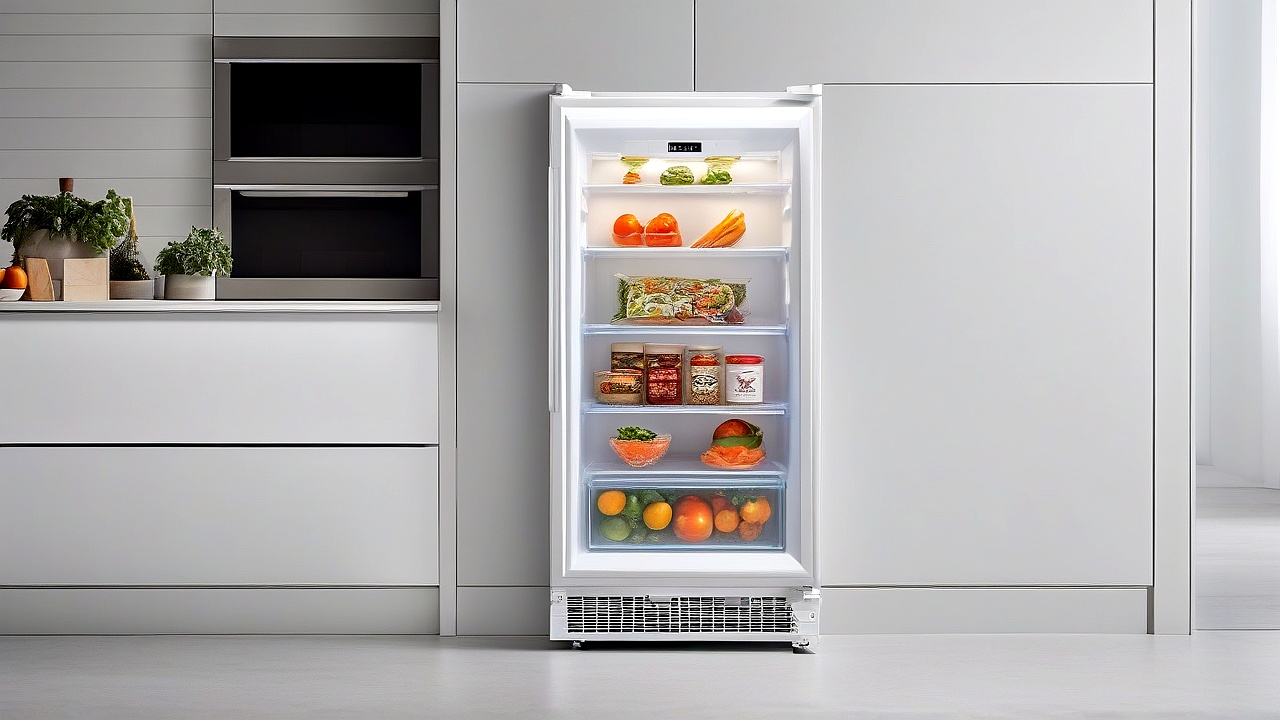
What are the causes of mold, mildew and bacteria growth in the fridge?
There are several reasons behind the growth of bacteria inside the fridge. Let’s find out the main reasons:
1. High humidity
When the humidity inside the fridge is high, mold and mildew grow easily. Especially the repeated opening and closing of the refrigerator door causes warm air to enter inside and increase the humidity.
2. Unused portions of food and liquid spills
Unused parts of refrigerated food such as fruit peels, vegetable parts, or spilled liquids (e.g., milk, sauce, juice) create an ideal environment for bacteria to grow inside the refrigerator.
3. Error in controlling the temperature inside the refrigerator
If the refrigerator temperature is not properly controlled (usually kept below 4°C or 40°F), bacteria can grow easily.
4. Not cleaning the inside of the fridge
If the interior of the fridge is not cleaned regularly, food residue accumulates and it can cause odors and germs to grow.
5. Refrigerator seal or gasket problem
If the refrigerator door seal or gasket is damaged or loose, warm outside air can enter the refrigerator and increase humidity.
Ways to Prevent Mold, Mildew and Bacteria Growth in the Fridge
Now we will discuss the effective ways to prevent the growth of bacteria in the refrigerator. Following these tips will keep your fridge clean, healthy and odor free.
1. Check the fridge temperature regularly
Always keep the refrigerator temperature at or below 4°C (40°F). You can check the fridge temperature using a food thermometer.
Temperature Test Rules:
- Place the thermometer in the center of the fridge.
- Check the temperature after 2-3 hours.
- If the temperature is high, adjust the refrigerator thermostat.
2. Clean the inside of the fridge regularly
The interior of the fridge should be cleaned at least once a month. Follow the following steps for cleaning:
- Remove all food and empty the fridge.
- Wipe the inside of the fridge with warm water and mild dish soap.
- Clean the fridge door, shelves, drawers and ceiling thoroughly.
- After cleaning, dry the interior of the refrigerator to avoid moisture.
- After cleaning, check all food for spoilage before placing it in the refrigerator.
3. Check the seal or gasket of the refrigerator
If the refrigerator door seal or gasket is damaged or loose, replace it. Simple way to test seal:
- Take a bill or piece of paper and close the fridge door.
- If the bill comes out easily, then the seal is damaged.
- If the seal is damaged, replace it by purchasing a new seal.
4. Store food properly
If food is not stored properly, odor and germs grow from it. Food preservation rules:
- Wrap foods well with airtight container or plastic wrap.
- Separate raw meat and fish and keep them on the bottom shelf to prevent bacteria from spreading to other foods.
- Remove fruit peels, vegetable parts and other unused parts from the fridge regularly.
- Be sure to throw away food when it expires.
5. Use baking soda inside the fridge
Keeping baking soda inside the fridge will eliminate odors and prevent the growth of germs. Rules for using baking soda:
- Take a small open container and put 1-2 tablespoons of baking soda in it.
- Keep in the fridge and change the baking soda every 3 months.
6. Use activated charcoal inside the fridge
Activated charcoal removes odors as well as inhibits bacterial growth. Rules for using it:
- Take a small cloth bag or airtight container and place activated charcoal in it.
- Keep in the fridge and change every 3 months.
7. Clean the inside of the fridge regularly
Cleaning the inside of the fridge regularly can prevent the growth of germs. Follow the following steps for cleaning:
- Check the inside of the fridge every week and remove any spilled liquid or unused parts.
- Clean the inside of the fridge every month.
- Check the refrigerator seal every 3 months and replace if necessary.
Additional Tips to Prevent Mold, Mildew and Bacteria Growth in the Fridge
In addition to following the rules above, some additional tips can help prevent the growth of germs in the fridge.
1. Be careful when keeping food inside the fridge
Keep the following things in mind when storing food in the fridge:
- Keep foods cold in the refrigerator.
- Wrap foods well with airtight container or plastic wrap.
- Be sure to throw away food when it expires.
2. Ways to remove the smell inside the fridge
Follow these steps to remove the bad smell inside the fridge:
- Keep the lemon peel inside the fridge.
- Keep the vinegar inside the fridge.
- Keep coffee grounds inside the fridge.
3. Use disinfectant spray inside the fridge
Using a disinfectant spray inside the fridge can prevent the growth of germs. Rules for using disinfectant spray:
- Take a spray bottle and mix it with water and vinegar and make a spray.
- Spray the inside of the fridge and then wipe with a clean cloth.
4. Change the light inside the fridge regularly
Changing the lighting inside the fridge helps prevent germs from growing. Rules for changing the fridge light:
- Change the light inside the fridge every 6 months.
- Using an LED bulb will be more effective.
Essential Tools to Prevent Mold, Mildew and Bacteria Growth in Refrigerators
There are some essential tools to prevent the growth of germs in the fridge. Buying these tools will make it easier to maintain the cleanliness of the fridge.
| Device Name | Usage | Where to find |
|---|---|---|
| Food Thermometer | to check the temperature of the fridge | online store or hardware store |
| airtight container | To store food | online store or supermarket |
| baking soda | To eliminate odors and prevent germs | Supermarket |
| Activated Charcoal | To eliminate odors and prevent germs | online store or pharmacy |
| disinfectant spray | To disinfect the interior of the fridge | online store or supermarket |
| LED bulb | To change the fridge light | online store or hardware store |
Common Mistakes to Prevent Mold, Mildew and Bacteria Growth in the Fridge
Many people make some common mistakes to prevent the growth of germs in the fridge. Avoiding these mistakes will make it easier to keep the fridge clean. If the interior of the fridge is not cleaned regularly, food residue accumulates, causing odors and bacteria growth. Many people do not check the temperature of the refrigerator regularly, as a result the temperature inside the refrigerator becomes high and germs grow quickly. In addition, if the seal or gasket of the refrigerator is damaged, if it is not changed, the hot air from outside enters the refrigerator and increases the humidity.
1. Not cleaning the inside of the fridge regularly
If you don’t clean the inside of the fridge regularly, food residue accumulates and smells bad. Many people don’t open and clean the fridge, causing food particles to rot and bacteria to grow. These problems can be avoided by regular cleaning.
Keep the following points in mind while cleaning:
- Empty the fridge: Remove all food from the fridge and empty the fridge completely.
- Use warm water and detergent: Use warm water and mild detergent to clean the inside of the fridge.
- Use baking soda: Use baking soda to clean the inside of the fridge to remove odors and kill germs.
- Dry: After cleaning, dry the interior of the refrigerator completely to ensure that there is no moisture.
2. Not checking fridge temperature regularly
If the temperature of the fridge is not checked regularly, it can be one of the reasons for the growth of bacteria. The ideal refrigerator temperature should be 35°F to 38°F (1.7°C to 3.3°C). If the temperature in the fridge is too high, food spoils faster and bacteria grow. Many people make mistakes in controlling the temperature of the refrigerator or do not check it regularly. As a result, germs grow inside the refrigerator.
Follow these steps to check the fridge temperature regularly:
- Use a thermometer: Use a thermometer to measure the temperature inside the fridge regularly.
- Control the temperature: Use the control panel of the refrigerator to control the temperature of the refrigerator.
- When checking the temperature: Check the temperature after opening the fridge and adjust if necessary.
3. Ignoring damage to refrigerator seals or gaskets
Ignoring damage to the seal or gasket of the refrigerator can be one of the reasons for the growth of bacteria inside the refrigerator. If the seal or gasket is damaged, hot air from outside enters the refrigerator and increases the humidity. As a result, germs grow inside the fridge. Many people ignore or do not replace seal or gasket damage. As a result, bacteria grow inside the fridge and food rots quickly.
Follow these steps to avoid damage to the fridge seal or gasket:
- Keep it clean: Keep the seal or gasket of the refrigerator clean so that no food residue accumulates.
- Replace: If the seal or gasket is damaged, replace it promptly.
4. Not taking precautions when storing food inside the fridge
If you are not careful while keeping food inside the fridge, it can be one of the reasons for the growth of bacteria. Many people do not take precautions while keeping food inside the refrigerator or do not store food properly. As a result, food rots faster and bacteria grow. Keep the following things in mind when storing food inside the fridge:
- Store food properly: Store food properly when keeping food inside the refrigerator. For example: keep fish, meat etc. in separate containers.
- Remove unused food parts: Remove unused food parts from the fridge so that it doesn’t spread odor.
- Pack food correctly: When storing food in the fridge, pack it properly so that odor does not spread.
Essential Tools to Prevent Mold, Mildew and Bacteria Growth in Refrigerators
Fridges have some essential tools to prevent mold, mildew and bacteria growth. Using these tools makes it easier to maintain the cleanliness of the fridge and prevent the growth of germs.
The following tools will help keep the fridge clean:
- Fridge Cleaner: Use cleaners specially formulated for cleaning fridges. For example: fridge cleaner spray, fridge cleaner wipes etc.
- Baking Soda: Use baking soda to clean the inside of the fridge. It removes odors and destroys germs.
- Activated charcoal: Placing activated charcoal on the inside of the fridge removes odors and prevents the growth of germs.
- Thermometer: Use a thermometer to regularly measure the temperature inside the fridge.
- Fridge Seal Cleaner: Use a cleaner specially formulated to clean the seal or gasket of the refrigerator.
Conclusion
Regular cleaning is important to prevent mold, mildew and bacteria growth in the fridge. Regularly cleaning the inside of the fridge, controlling the temperature, avoiding seal or gasket damage and storing food properly will help prevent the growth of bacteria. Besides, using baking soda, activated charcoal and disinfectant spray inside the fridge can eliminate odors and prevent the growth of germs.
Use the necessary tools to maintain the cleanliness of the fridge and clean the fridge regularly. Check the fridge temperature regularly and don’t ignore seal or gasket damage. Be careful when storing food inside the refrigerator and store food properly. Following these steps will make it easier to prevent the growth of germs in the fridge and extend the life of the fridge.
Regular cleaning and proper care is important to maintain the cleanliness of the fridge. Keeping the fridge clean will help it work well for a long time and protect your family’s health.

About the Author
Hi I am an Engineer I have passed my diploma in Engineering in 2007. Academically I have studied about home appliances and various motors and machineries. In 2012 I have started my blogging and learned a lot of things about home appliances especially washing appliances, washing and cleaning related products, and eequipments. In 2019 I have started my blog https://appliancesky.com to provide my research and experience with my fan and followers.