Freezer Seasonal Care Guide: Summer vs. Winter Protection Strategies
Refrigerators are an important part of our daily life. They not only preserve food but also help in retaining the taste and nutritional value of food. However, with changes in temperature and environment throughout the year, the way we care for refrigerators must also adapt. Overheating in summer and low temperatures in winter can affect performance. Therefore, it is important to understand seasonal refrigerator care.
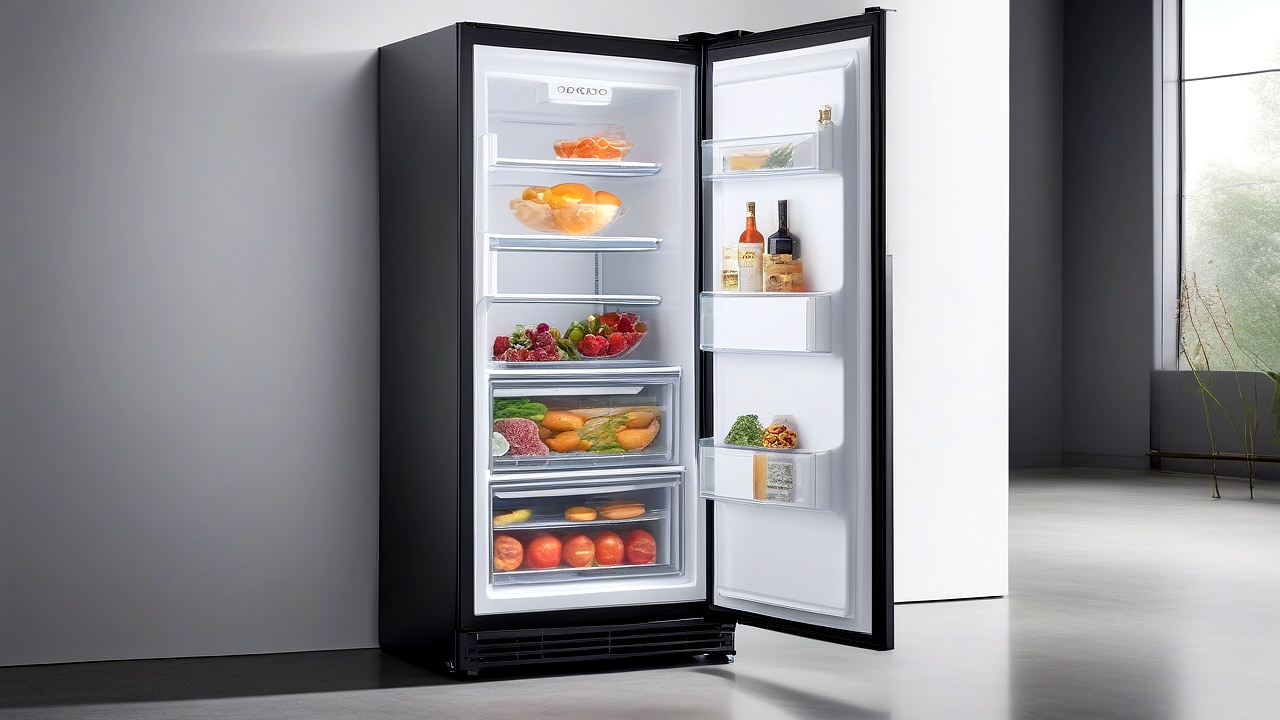
In this guide, we’ll discuss how to care for your refrigerator in summer and winter, what to look out for, and what mistakes to avoid. We’ll also share simple tips to help keep your refrigerator running efficiently for a long time.
Summer Refrigerator Care: Protection from Overheating
Rising temperatures in summer place extra stress on refrigerators. At higher temperatures, the refrigerator’s compressor works harder, increasing energy consumption and potentially shortening the refrigerator’s lifespan. Special care is needed to protect refrigerators during summer.
Refrigerator Location and Environment During Summer
- Keep in a cool and shaded place: Place the refrigerator away from direct sunlight and in an area with good airflow. Keep at least 2-3 inches away from walls to allow heat to escape.
- Avoid high temperatures: Choose a kitchen spot where temperatures remain moderate. Temperatures can rise further if the refrigerator is near cooking areas.
- Ventilation System: Keep the rear ventilation panel clean to ensure proper airflow. Dust buildup can block ventilation and cause overheating.
Freezer Temperature Control in Summer
Follow these steps to maintain proper refrigerator temperatures in summer:
- Temperature Setting: Keep the refrigerator at 37°F to 40°F (3°C to 4°C) and the freezer at 0°F (-18°C). Slightly lowering the temperature in summer is fine, but lowering it too much increases electricity use.
- Defrosting: Clean the freezer regularly if ice builds up. Ice reduces efficiency and increases energy consumption.
- Cleanliness Check: Inspect the refrigerator door seal regularly. A damaged seal allows cold air to escape, reducing efficiency.
Routine Refrigerator Maintenance During Summer
Follow these steps for routine summer maintenance:
- Exterior Cleaning: Clean the refrigerator exterior regularly. Dust accumulation can reduce performance.
- Cleaning the Inside: Clean the interior regularly. Use baking soda to remove food residue and odors.
- Coil Cleaning: Clean the coils behind the refrigerator regularly. Dust buildup reduces efficiency.
- Fan Test: Check if the refrigerator fan is working properly. A non-functioning fan can cause overheating.
Tips for Using the Refrigerator in Summer
- Food Storage: Avoid overloading the refrigerator. Leaving space inside allows better airflow and keeps the unit cool.
- Do Not Store Hot Food: Placing hot food in the refrigerator raises internal temperatures and strains the unit. Cool food before refrigerating.
- Water Filter: Replace the refrigerator water filter regularly. Clean water is also beneficial for health.
Winter Freezer Care: Protection from Low Temperatures
While it may seem that refrigerators require less care in winter due to lower temperatures, proper maintenance is still essential. Cold weather can affect components like coils, thermostats, and compressors. Special care is needed to protect refrigerators in winter.
Freezer Location and Environment in Winter
- Keep Away from Cold: Place the refrigerator where temperatures remain stable and not excessively low. Extreme cold can affect the thermostat and reduce efficiency.
- Humidity Control: Winter air is drier, but excess moisture can condense inside the refrigerator. Clean the interior regularly and control humidity.
- Ventilation System: Keep ventilation panels clean to ensure proper airflow. Dust buildup can reduce efficiency.
Freezer Temperature Control in Winter
Follow these steps to maintain proper temperatures in winter:
- Temperature Setting: Keep the refrigerator at 37°F to 40°F (3°C to 4°C) and the freezer at 0°F (-18°C). Slightly raising the temperature in winter is better, but setting it too high can spoil food.
- Thermostat Check: Ensure the refrigerator thermostat is functioning properly. A faulty thermostat prevents temperature control.
- Cleanliness Check: Regularly inspect the refrigerator door seal. A damaged seal in winter allows cold air to escape, reducing efficiency.
Routine Refrigerator Maintenance in Winter
Follow these steps for routine winter maintenance:
- Exterior Cleaning: Clean the refrigerator exterior regularly. Dust accumulation can reduce performance.
- Cleaning the Inside: Clean the interior regularly. Use baking soda to remove food residue and odors.
- Defrosting: Clean the freezer regularly if ice builds up. Ice buildup is less likely in winter due to lower humidity, but regular cleaning maintains efficiency.
- Coil Cleaning: Clean the coils behind the refrigerator regularly. Dust buildup reduces efficiency.
Tips for Using the Refrigerator in Winter
- Food Storage: Slightly increase the refrigerator temperature in winter to store food safely. However, setting it too high can spoil food.
- Do Not Store Hot Food: Placing hot food in the refrigerator raises internal temperatures and strains the unit. Cool food before refrigerating.
- Water Filter: Replace the refrigerator water filter regularly. Clean water is also beneficial for health.
Summer vs. Winter Freezer Care: Differences and Similarities
There are subtle differences and similarities between summer and winter refrigerator care. While care methods vary by season, some rules remain consistent. These are highlighted in the following table:
| Subject | Summer Care | Winter Care |
|---|---|---|
| Temperature Control | Keep the temperature slightly lower (usually 2-3 degrees Celsius lower) | Raise the temperature slightly (usually 2-3 degrees Celsius higher) |
| Location Selection | Keep in a cool and shaded place, avoid direct sunlight | Keep away from cold, so the temperature inside remains stable |
| Defrosting | Clean regularly if ice builds up, especially if the fridge lacks a frost-free system | Ice buildup is less likely, but clean regularly to prevent bacteria growth |
| Seal Check | Check that the seal is intact, as heat can damage it | Check that the seal is intact, especially if the fridge is old |
| Ventilation System | Keep the ventilation panel clean so heat can escape | Keep the ventilation panel clean to control humidity inside |
| Food Storage | Do not store food for long periods, especially raw fish and meat | Do not store food for long periods, especially milk and dairy products |
Food Storage Period and Method
Food spoils faster in summer, so it is important to follow recommended storage times. Below are the recommended storage periods for each season:
- Summer:
- Raw fish and meat: Maximum 2 days
- Cooked food: Maximum 3 days
- Milk and dairy products: Maximum 1 day
- Vegetables and fruits: Maximum 5 days
- Winter:
- Raw fish and meat: Maximum 3 days
- Cooked food: Maximum 5 days
- Milk and dairy products: Maximum 2 days
- Vegetables and fruits: Maximum 7 days
In addition to following storage times, food should be properly packaged. Using airtight containers helps preserve taste and nutritional value for longer.
Refrigerator Energy-Saving Techniques
Refrigerators consume more electricity in summer as they work to control excess heat. In winter, energy use is relatively lower, but strategies can be applied in both seasons to save electricity:
- Set the Temperature Correctly:
Keep the refrigerator at 4-5°C in summer and the freezer at -18°C. In winter, keep the refrigerator at 5-6°C and the freezer at -15°C.
- Do Not Open the Door Repeatedly:
Frequently opening the door lets cold air escape, forcing the refrigerator to work harder and increasing energy use.
- Keep the Refrigerator Clean:
Ice or food residue inside slows performance. Regular cleaning reduces energy consumption.
- Keep the Back of the Refrigerator Clean:
Dust buildup on the back strains the cooling system, increasing energy use. Clean the back every 3 months.
- Use an Inverter Compressor:
Modern refrigerators with inverter compressors save energy. If your refrigerator is old, consider upgrading to one with an inverter compressor.
Common Refrigerator Problems and Solutions
Some common refrigerator issues can occur in both seasons. Below are these problems and their solutions:
| Problem | Reason | Solution |
|---|---|---|
| Refrigerator Not Cooling | Incorrect thermostat setting, door not closing properly, coolant leak | Check thermostat setting, inspect door seals, repair coolant leaks |
| Additional Noise from Refrigerator | Something stuck inside, compressor malfunction, unlevel legs | Check for obstructions, inspect the compressor, level the fridge legs |
| Odors Inside the Refrigerator | Spoiled food, lack of cleaning | Check food, clean the refrigerator, use baking soda |
| Refrigerator Door Won’t Close | Damaged door seal, overloading | Replace the door seal, avoid overfilling the refrigerator |
Conclusion
Caring for your refrigerator is essential not only for food preservation but also for your family’s health and energy bills. In summer, protect the refrigerator from overheating, and in winter, shield it from extreme cold. In both seasons, controlling temperature, checking seals, maintaining ventilation, and following food storage guidelines are important.
By following energy-saving strategies, you can reduce electricity costs and extend your refrigerator’s lifespan. Regular cleaning, seal inspections, and prompt repairs help maintain efficiency. If issues arise, address them quickly to prevent further damage.
Finally, when purchasing a refrigerator, consider models with inverter compressors. They save energy and improve performance. Following these simple care guidelines will help your refrigerator last longer and keep food safe for your family.

About the Author
Hi I am an Engineer I have passed my diploma in Engineering in 2007. Academically I have studied about home appliances and various motors and machineries. In 2012 I have started my blogging and learned a lot of things about home appliances especially washing appliances, washing and cleaning related products, and eequipments. In 2019 I have started my blog https://appliancesky.com to provide my research and experience with my fan and followers.