Eco-Friendly Operating Tips for Your Home Electric Burners – Save Energy, Money & Planet
Why Switch to Eco-Friendly Cooking with Electric Burners?
When you use an electric burner in your kitchen, a lot of energy is wasted. Electric burners are more energy-efficient and environmentally friendly than traditional gas burners. But just changing the burner is not enough – it is also important to use it properly. In this guide we will share some tips that you can use to reduce the energy consumption of your electric burner, reduce your electricity bill and have a positive impact on the environment.
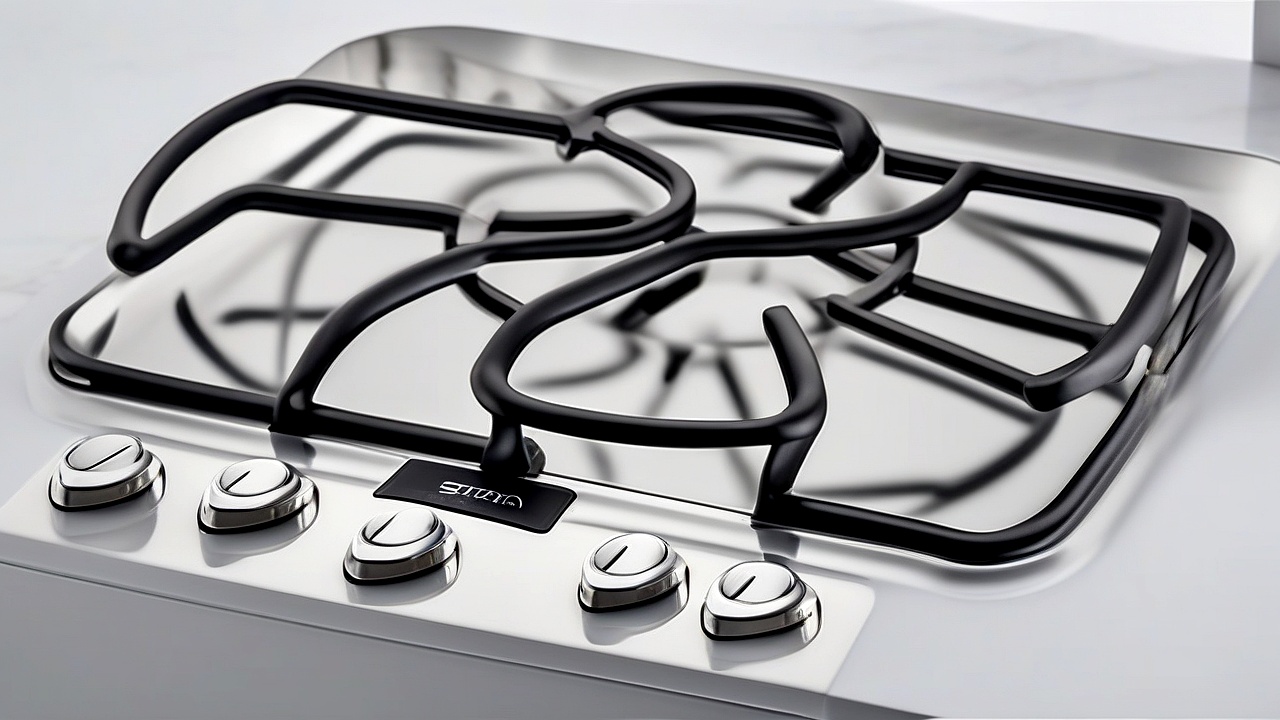
Understanding How Electric Burners Work & Their Energy Efficiency
Electric burners primarily come in two types:
- Radiant Burners: These have a heating element that gets hot and radiates heat. Their efficiency is about 70-80%.
- Induction Burners: In these, heat is generated directly in the cooking vessel through electromagnetic induction. Their efficiency can be up to 90%.
Since induction burners are the most energy-efficient, you can save the most electricity by using them.
Top 10 Eco-Friendly Tips for Your Electric Burner
1. Choose the Right Size Burner for Your Cookware
Many people place small pots on large burners, thereby wasting a lot of energy. Always use a burner that is equal to or slightly larger than your cooking vessel.
Example:
- Use 6-inch burner for 6-inch pot.
- Use an 8-inch or 9-inch burner for an 8-inch pot.
2. Use Flat-Bottomed Cookware
Cookware with uneven bottoms does not spread heat evenly. As a result, more energy is consumed. Always use flat-bottomed cookware.
Tips:
- Stainless steel or cast iron pots are best.
- If using a non-stick pot, make sure the bottom is flat.
3. Cover Your Pots & Pans While Cooking
When you use a lid on the cooking vessel, the heat is trapped inside and the food cooks faster. As a result, energy is saved.
Tips:
- Use the lid for all types of cooking.
- Leaving the lid loose allows heat to escape, so fit the lid tightly.
4. Preheat Only When Necessary
Many people start preheating as soon as they turn on the burner. But induction burners do not require preheating. For radiant burners, preheat for a short time.
Tips:
- It is better not to preheat for induction burners.
- Preheat for 1-2 minutes for radiant burners.
5. Lower the Heat After Boiling
The same rule applies to electric burners as it does with gas burners. When the water starts to boil, reduce the heat. There is no need to cook food at high heat.
Tips:
- When water starts to boil, reduce heat by 50-75%.
- Use the lowest heat for simmering.
6. Use Residual Heat for Finishing Cooking
The cooking vessel remains hot for some time even after the burner is switched off. So turn off the burner at the last moment and use the residual heat.
Tips:
- Switch off the burner when the food is fully cooked.
- Switch off the burner 5-10 minutes early.
7. Clean Your Burner Regularly
Grease or food particles accumulated on the burner prevent the heat from spreading evenly. As a result, more energy is consumed. Clean the burner regularly.
Tips:
- Clean the burner at least once per week.
- Use a non-abrasive cleaner.
8. Use a Pressure Cooker or Slow Cooker
A pressure cooker or slow cooker can cook a lot of food with less energy. They are more energy-efficient than electric burners.
Tips:
- Use a pressure cooker for quick cooking.
- Use a slow cooker for longer cooking times.
9. Avoid Overfilling Your Pots
Cooking by filling the pot does not spread the heat evenly and consumes more energy. Always cook half or two-thirds full of the pot.
Tips:
- Fill the pot halfway while cooking pasta.
- Fill two-thirds of the pot while cooking vegetables.
10. Use Energy-Efficient Appliances
If your old electric burner is getting old, consider buying a new energy-efficient model. For example:
- Induction Burners: Most energy-efficient.
- Ceramic Burners: More efficient than radiant burners.
Tips:
- Buy a burner that has Energy Star certification.
- Choose a lower wattage burner.
Comparison: Gas vs. Electric vs. Induction Burners
| Feature | Gas Burner | Electric Radiant Burner | Induction Burner |
|---|---|---|---|
| Energy Efficiency | 50-60% | 70-80% | 90%+ |
| Cooking Speed | Fast | Medium | Very Fast |
| Heat Control | Precise | Medium | Very Precise |
| Safety | Medium | High | Very High |
| Cost | Low | Medium | High |
Common Mistakes to Avoid with Electric Burners
Many people make some common mistakes while using electric burners. Avoid these:
- Using too much heat: Cooking at high heat consumes more energy. Always use the necessary heat.
- Not keeping the bottom of the pan clean: Accumulated grease or food particles prevent the heat from spreading evenly. Clean regularly.
- Not using a lid: Not using a lid allows heat to escape and consumes more energy. Always use the lid.
- Using old burners: Old burners consume more energy. Buy a new energy-efficient model.
Maintenance Tips for Long-Lasting Electric Burners
Do regular maintenance to extend the life of your electric burner. Here are some tips:
- Clean every week: Remove grease or food particles accumulated on the burner.
- Use a non-abrasive cleaner: Using an abrasive cleaner can damage the burner.
- Keep Burner Surroundings Clean: Remove any dirt or grease accumulated around the burner.
- Professional servicing at regular intervals: If the burner is not working properly, have professional servicing.
Final Thoughts: Make Your Kitchen Greener & More Efficient
The correct use of electric burners is important to make your kitchen eco-friendly and energy-efficient. By following the tips above, you can reduce your electricity bill as well as have a positive impact on the environment.
If you are still using gas burners, you can consider switching to induction burners. They are the most energy-efficient and environment-friendly.
You can also think about using other eco-friendly appliances like a dishwasher, refrigerator, etc. to make your kitchen more sustainable.
Frequently Asked Questions (FAQs)
Electric burner vs. gas burner – which is more energy-efficient?
Electric burners, especially induction burners, are more energy-efficient than gas burners. The efficiency of induction burners can be up to 90%, whereas the efficiency of gas burners is only 50-60%. This is because induction burners heat the cookware directly, resulting in no heat loss. On the other hand, a large part of the heat in gas burners is lost to the environment. So for those who want to save energy, an induction burner is the best option.
What are the advantages of using an induction burner?
Using an induction burner has many advantages:
- Most energy-efficient: saves up to 90% energy.
- Heats up quickly: Heats up 50% faster than gas burners.
- Temperature control is easy: Precise temperature control makes cooking more perfect.
- Very safe: There is no open flame during heating, so there is less risk of fire.
- Easy to clean: Even if food gets burnt due to the magnetic field, it can be easily cleaned.
- Low noise: Induction burners have no noise, so the kitchen is quieter.
What type of cookware is best for an electric burner?
The best cookware for electric burners is the kind that distributes heat evenly and minimizes energy loss. Below are some of the best options:
- Flat-bottomed stainless steel: is the best option as it spreads heat evenly and lasts longer.
- Cast iron: High heat retention capacity, resulting in energy saving. But it is heavy and requires more maintenance.
- Induction-compatible cookware: Use cookware specially made for induction burners. Under these pots, there is a magnetic base which works with induction.
- Copper: Heat dissipates quickly and is easy to control, but costs more and requires more maintenance.
Pots that should not be used: Aluminum or copper pots that do not have a magnetic base will not work with induction burners.
Which type of energy-efficient model is best for an electric burner?
There are some important factors to consider while choosing an energy-efficient electric burner, such as:
- Energy Star certification: Choose models that have received Energy Star certification.
- Wattage: Models with lower wattage are more energy-efficient.
- Heat distribution: Choose models that distribute heat evenly.
- Smart features: Some models have smart features like automatic shut-off, temperature control which helps in energy saving.
Here are some examples of popular energy-efficient electric burners:
| Model Name | Type | Wattage | Energy Efficiency | Key Features |
|---|---|---|---|---|
| Bosch PIF6721E | Induction | 3700W | 90% | PowerBoost, automatic pan detection, residual heat indicator |
| LG LCI3083ST | Induction | 3200W | 88% | Smooth glass surface, precise temperature control, child lock |
| Frigidaire FFEC3025US | Ceramic | 2400W | 80% | EasyClean surface, 9-inch burner, Energy Star certified |
| GE PHP9030SJSS | Induction | 3600W | 89% | SyncBurner, quick boil, pause & save feature |
What kind of maintenance routine should be followed for an electric burner?
It is important to follow a regular maintenance routine to extend the life of the electric burner and help it function properly. Below are some important tips:
- Clean at least once a week: Quickly clean any grease, oil or food residue that accumulates on the burner.
- Use non-abrasive cleaners: Do not use abrasive cleaners or steel wool, as they may damage the surface of the burner.
- Keep Burner Surroundings Clean: Remove any dirt or grease accumulated around the burner so that heat can spread evenly.
- Do professional servicing at regular intervals: Do professional servicing at least once a year so that any problems are caught early.
- Avoid Overheating: Do not place an empty container on the burner or leave it on high heat for a long time, as this may damage the burner.
- Do not place heavy objects on the burner: Do not place heavy containers or other objects on the burner, as this may damage the surface of the burner.
- Use specific accessories for the burner: For example, use induction-compatible cookware for induction burners.
When is servicing required? If you notice that the burner is not heating evenly, making unusual noise or showing an error code, then get servicing done quickly.
What things should be considered before buying an electric burner?
There are some important things to consider before buying an electric burner so that you can make the right decision. Below are some important tips:
- Type of Burner: Consider whether an induction, ceramic or coil burner will work best for you.
- Burner Size: Select the size of burner according to your kitchen space and requirements.
- Wattage: Burners with higher wattage heat up faster but energy consumption is higher.
- Energy efficiency: Choose a burner that has Energy Star certification.
- Price: Select the burner according to your budget. However, more expensive burners are generally more energy-efficient.
- Features: Consider whether there are features like automatic shut-off, temperature control, child lock.
- Brand reputation: Choose a good brand of burner to last longer and get good service.
Conclusion
Electric burners are a good option to make your kitchen more eco-friendly and energy-efficient. These burners are not only energy saving, but also improve the quality of your cooking. By using advanced technology like induction burners you can cook quickly and perfectly.
But to get the best results you need to keep some important things in mind. For example:
- Choose the right cookware: Use flat-bottomed stainless steel or induction-compatible cookware.
- Choose an energy-efficient model: Choose a burner that has Energy Star certification.
- Follow the specified maintenance routine: Regular cleaning and servicing to extend the life of the burner and keep it working properly.
- Balance cost and benefits: More expensive burners are generally more energy-efficient, but choose according to your budget.
Finally, by using electric burners you can not only reduce your electricity bill, but also have a positive impact on the environment. So choose an energy-efficient electric burner for your kitchen today and start eco-friendly cooking!
And if you have any questions, check out our FAQ section or seek advice from the experts at ApplianceSky. Happy cooking! 🍳✨

About the Author
Hi I am an Engineer I have passed my diploma in Engineering in 2007. Academically I have studied about home appliances and various motors and machineries. In 2012 I have started my blogging and learned a lot of things about home appliances especially washing appliances, washing and cleaning related products, and eequipments. In 2019 I have started my blog https://appliancesky.com to provide my research and experience with my fan and followers.