Carbon Steel Skillets on Induction & Glass Top Cooktops: The Complete Guide
Can You Really Use Carbon Steel Skillets on Induction and Glass Top Cooktops?
This question is asked by many people, especially those who have bought a new induction or glass top stove. The answer is in one word: Yes, you can use carbon steel skillets—but there are some important rules to follow. The reason is that induction and glass top cooktops have their own features that are different from traditional gas stoves.
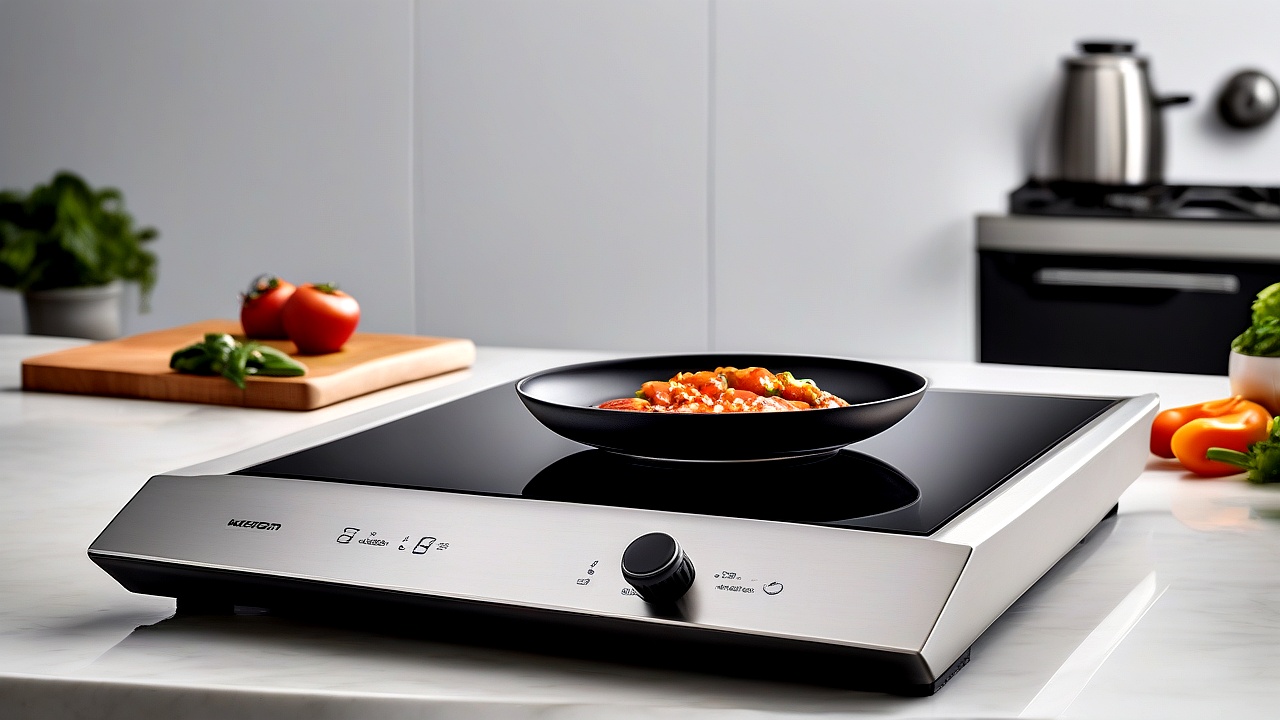
Carbon steel skillets are one of the most important tools in a professional kitchen. They are heavy, retain heat effectively, and become non-stick over time. But it is important to know some technical details before using them on smooth surfaces like induction and glass top. Let’s find out the details.
—
Carbon Steel Skillets: A Quick Overview
Carbon steel skillets are similar to cast iron but much lighter. They are made of about 99% iron and 1% carbon. Their main characteristics are:
- Heat Retention: Retains heat for a long time once heated. The result is even cooking.
- Non-Stick Properties: If properly seasoned, they become non-stick, much like cast iron.
- Durability: Can be used for many years. But there is a possibility of rust if care is not taken.
- Weight: Much lighter than cast iron, thus easy to use.
Due to these traits, professional chefs and home cooks like carbon steel skillets. But before using it on induction and glass top, there are some things to consider.
—
Induction Cooktops: How They Work and Why It Matters
Induction cooktops work through electromagnetism. When you place an induction-compatible pot or pan on induction, a magnetic field is created from the copper coil below it. This magnetic field directly interacts with the base of the pan and generates heat. As a result:
- Fast Heating: induction heats up much faster than a traditional electric stove.
- Precision Control: Temperature can be controlled precisely.
- Energy Efficient: Energy loss is less as heat is generated directly from the pan.
- Safety: Less chance of burns as heat is generated without sitting on a hot surface.
But the pan that will be used for induction must be made of ferromagnetic material. That is, if the lower part of the pan is pulled with a magnet and it sticks, then it is induction-compatible.
Are carbon steel skillets induction-compatible?
Yes, because carbon steel is a ferromagnetic material. So a carbon steel skillet can be used directly on induction. But there are some things to keep in mind:
- Flat Base: The base of the pan must be flat for induction. If the base is slightly curved, the heat will not be generated fully.
- Thickness: A carbon steel skillet with a very thin base may not work well on induction. Because there must be enough ferromagnetic material to generate heat.
- Size Matching: The size of the base of the pan should be matched according to the size of the induction coil. Using a pan with a very small base will not produce enough heat.
—
Glass Top Cooktops: Compatibility and Safety Concerns
Glass top cooktops are built on smooth, flat surfaces that look a lot like induction. However, they have different ways of working. Glass top cooktops are usually:
- Electric Coil: Heat is generated through a coil like a traditional electric stove.
- Radiant Heat: Heat is generated through infrared radiation.
- Induction (in some models): Some glass top cooktops also use induction technology.
Things to consider when using carbon steel skillets on glass top cooktops:
- Scratching Risk: Using any kind of sharp or rough object on the glass top can cause scratches. The bottom of carbon steel skillets is usually not very smooth, especially if it is new. So the lower part should be cleaned well before use.
- Heat Distribution: Glass top cooktops generate heat downwards, so the base of the pan may not heat completely evenly. This is not as much of a problem for heavy pans like carbon steel skillets as they retain heat better.
- Weight Limit: Most glass top cooktops have a weight limit. If the pan is too heavy, the glass top may be damaged. Usually more than 20–25 lbs can be a problem.
Are carbon steel skillets safe to use on glass tops?
Yes, but some precautions must be taken:
- Always keep the bottom of the pan clean and smooth. There should not be any kind of debris or rust.
- Match the size of the base of the pan with the size of the heating element of the glass top. Using a pan with a very small base will not produce enough heat.
- Always clean the bottom of the pan thoroughly before placing it on the glass top. Any kind of oil or food residue can damage the glass top.
- If a scratch occurs on the glass top, then it is permanent damage. So always use with care.
—
Step-by-Step Guide: Using Carbon Steel Skillets on Induction & Glass Top Cooktops
For Induction Cooktops
Follow the steps to make a carbon steel skillet work well on induction:
- Check Compatibility:
- Take a magnet and see if it pulls the bottom of the skillet. If it does, then it is induction-compatible.
- If the lower part is slightly curved, then it is not suitable for induction.
- Preheat Properly:
- Raise the temperature of the induction cooktop slowly. Do not place directly on high heat.
- Wait for the entire surface of the skillet to heat up when using for the first time.
- Use the Right Size:
- Match the size of the base of the skillet with the size of the induction coil. A 6–10 inch skillet generally works well for induction.
- Maintain the Skillet:
- Always keep the bottom of the skillet clean and dry after use. There is a possibility of rust.
- Seasoning should be done regularly so that the non-stick properties are good.
For Glass Top Cooktops
Follow these steps to use a carbon steel skillet on a glass top:
- Inspect the Base:
- Check if the bottom of the skillet is smooth. There should not be any kind of sharp edges or rust.
- If the bottom is too rough, the glass top may be damaged.
- Place the Skillet Carefully:
- Be very careful while placing the skillet on the glass top. Do not push or rub.
- Always clean the bottom of the skillet before placing it on the glass top.
- Heat Gradually:
- Raise the temperature of glass top cooktops slowly. Do not place directly on high heat.
- If the base of the skillet is too thin, the heat will not be generated fully.
- Clean and Maintain:
- Always keep the bottom of the skillet clean and dry after use.
- Clean up any spill or debris directly on the glass top.
—
Common Mistakes to Avoid
Many people make some common mistakes when using carbon steel skillets on induction and glass top. Avoid those mistakes:
- Using a Damaged Skillet:
If the bottom of the skillet is scratched, rusty, or deformed, the induction or glass top may be damaged. Always check the condition of the skillet.
- Overheating:
Carbon steel skillets can hold a lot of heat. So placing it directly on high heat can damage the skillet and crack the glass top. Always use medium to medium-high heat.
- Skipping Preheating:
Preheating is very important for induction and glass top. Starting to place food directly can cause uneven cooking. Always wait for the skillet to heat up completely.
- Not Cleaning Properly:
Always keep the bottom of the skillet clean and dry after use. Any type of oil or food residue is likely to rust and damage the glass top.
- Using Wrong Size Skillet:
For induction, match the size of the base of the skillet with the size of the induction coil. Using a skillet that is too small or too large will not produce enough heat.
—
Best Carbon Steel Skillets for Induction & Glass Top Cooktops
Not all carbon steel skillets are suitable for induction and glass top. There are some skillets that are specially designed for these cooktops so that they heat evenly and do not scratch or damage. Let’s take a look at some top-rated carbon steel skillets that are ideal for these types of cooktops:
| Brand & Model | Size | Base Type | Induction Compatible | Glass Top Safe | Price Range |
|---|---|---|---|---|---|
| De Buyer Mineral B Element | 8″, 10″, 12.5″ | Flat, smooth base | Yes | Yes | $100–$150 USD |
| Mauviel M’Cook Carbon Steel | 8″, 10″, 12″ | Flat, induction-ready base | Yes | Yes | $80–$120 USD |
| Matfer Bourgeat Carbon Steel | 11″, 14″ | Heavy-duty, flat base | Yes | Yes | $60–$90 USD |
| Lodge Pre-Seasoned Carbon Steel Skillet | 8″, 10″, 12″, 14″ | Flat, pre-seasoned base | Yes | Yes | $20–$50 USD |
| Made In Carbon Steel Skillet | 10″, 12″, 14″ | Flat, induction-compatible base | Yes | Yes | $100–$150 USD |
How to Choose the Right Carbon Steel Skillet for Your Cooktop
There are a few important things to keep in mind while buying a carbon steel skillet. First, check if the base of the skillet is flat and smooth. Because induction and glass top cooktops do not have a flat base, it will not heat evenly and there will be a risk of scratches. Second, check if the skillet is induction compatible—this is mentioned in the product description or packaging. Third, since glass top cooktops are delicate, choose a skillet that isn’t too heavy and won’t damage it when placed directly on the glass.
Also, the size of the skillet is important. An 8″ or 10″ is enough for a small family, but a 12″ or 14″ skillet is more useful when cooking for more people. Again, for those who work in professional kitchens, heavy-duty skillets are better because they can withstand more heat and last longer.
Price vs. Performance: What to Expect
The price of a carbon steel skillet depends on its quality, brand, and size. Generally, affordable brand skillets like Lodge range from $20–$50 USD, which are perfect for beginner or casual cooks. But premium brand skillets like De Buyer or Made In can be found in the $80–$150 USD range, which are ideal for professional kitchens.
However, if the price is high, the performance will not necessarily be better. Sometimes mid-range skillets work equally well. So user reviews and expert recommendations should be checked before buying.
Maintenance Tips for Long-Lasting Skillets
Proper maintenance is very important to extend the life of a carbon steel skillet. First of all, after buying a new skillet it should be well seasoned. For this, first heat the skillet and apply some oil (such as canola oil or flaxseed oil) to cover the entire surface. Then heat for a few minutes so that the oil can form a protective layer.
After cooking, the skillet should be allowed to cool, then washed with hot water and a soft sponge. Never use soap or abrasive cleaners as they destroy the seasoning. After washing, apply a little oil again so that the skillet does not rust.
Also, the skillet should always be kept dry. If there is rust for any reason, it should be removed. A steel wool or vinegar can be used for this. But always wash well and season again.
Conclusion
Carbon steel skillets are an ideal choice for induction and glass top cooktops, but not all skillets are suitable for these types of cooktops. By choosing any of the brands mentioned above, you can rest assured that it will be safe and efficient for your cooktop.
When choosing the best skillet, you should pay attention to the flatness of the base, induction compatibility, and glass top safety. Also, size and price should be kept in mind. If you are a beginner, then you can start with an affordable option like Lodge. And if you want a high-end skillet for a professional kitchen, then you can consider brands like De Buyer or Made In.
The most important thing is the proper maintenance of the skillet. Regular seasoning and cleaning will keep your skillet looking good for years to come and give you a great cooking experience. So choose your favorite skillet now and make the kitchen more professional and efficient!

About the Author
Hi I am an Engineer I have passed my diploma in Engineering in 2007. Academically I have studied about home appliances and various motors and machineries. In 2012 I have started my blogging and learned a lot of things about home appliances especially washing appliances, washing and cleaning related products, and eequipments. In 2019 I have started my blog https://appliancesky.com to provide my research and experience with my fan and followers.