Why Does a cast iron Pan Require Glass Cooktop Care? Deep Analysis of Scratch and Heat Trapping
Introduction: The Challenge of Cast Iron in the Age of the Glass Cooktop
Nowadays many people prefer a glass cooktop for its beauty and easy cleaning. But whenever you place a heavy, rough cast iron pan on that shiny glass surface, a new challenge begins. Cast iron’s strong heat retention and heavy structure can become dangerous for glass cooktops. In this article we will discuss why a cast iron pan on glass cooktops requires care, how to avoid scratches, and how to solve the problem of heat trapping.
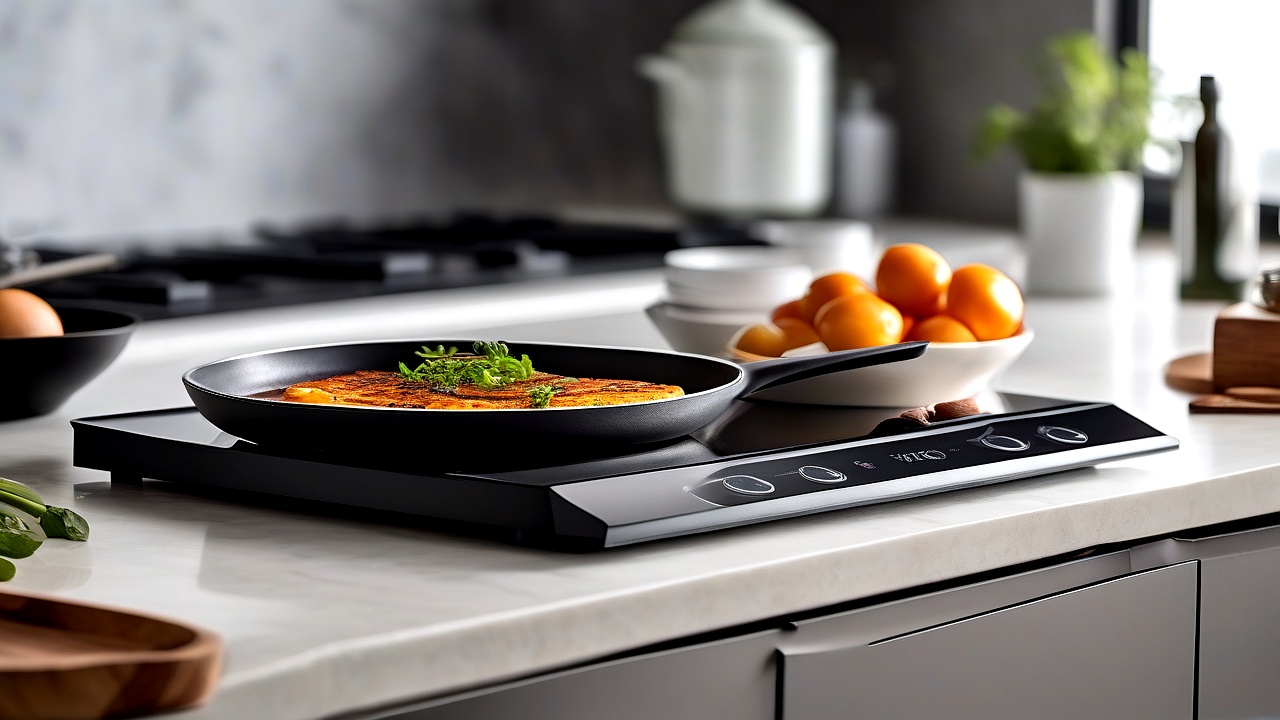
Features of Cast Iron: Advantages and Disadvantages for Glass Cooktops
Cast iron has several unique properties that make it ideal for cooking:
- Heat Retention: Cast iron heats up very quickly and retains heat, resulting in even cooking.
- High temperature tolerance: It does not deform even at high temperatures, thus suitable for applications like sealing and brazing.
- Durability: With proper care it lasts for years.
But these are the features that make the glass cooktop a pitfall:
- Heavy weight: Cast iron pans are often 5-10 pounds heavier, which can put extra stress on the glass surface.
- Rough Surface: Cast iron surface is very rough, which can scratch the smooth surface of a glass cooktop.
- Difficulty in temperature control: Excessive heat can damage the electrical components under the glass cooktop due to cast iron.
How to Prevent Scratches on Glass Cooktops: What You Need to Know Before Using Cast Iron
There are some important steps to follow to prevent scratches on a glass cooktop:
1. Select the correct pan
Not all cast iron pans are suitable for glass cooktops. Select the pan by looking at the following properties:
- Flat Bottom: Make sure the bottom of the pan is completely flat. Curved or raised floors are dangerous for a glass cooktop.
- Lightweight Cast Iron: Use relatively light cast iron pans instead of heavy pans.
- Pre-Seasoned: Pre-seasoned pans are generally smoother, making them less likely to scratch.
2. Special Preparation for Glass Cooktop
Some preparations are necessary for a glass cooktop before cooking:
- Clean the Cooktop: Clean the glass surface completely before cooking. Any leftover food or oil can cause scratches.
- Control the temperature: While cast iron requires extra heat, limit the maximum temperature for a glass cooktop.
- Check the bottom of the pan: Check that the bottom of the pan is clean and smooth before use. Remove any corrosion or rust.
3. Use pans properly
A few precautions to take while cooking:
- Lift and move the pan: To remove the pan in the middle of cooking, lift it and move it, not pull it. Pulling may cause scratches.
- Raise the temperature slowly: Increase the heat slowly to avoid overheating.
- Caution while removing the pan: Make sure the surface of the glass cooktop is not bumped when removing the pan.
Heat Trapping Problems and Solutions: Preventing Damage to Glass Cooktops from Cast Iron
Cast iron can cause the electrical components under the glass cooktop to overheat. This may shorten the life of the cooktop. Follow the steps below to resolve this issue:
1. Control the temperature
While cast iron requires high temperatures, glass cooktops need to be controlled:
- Use medium to high temperature: For cast iron use medium to high temperature instead of maximum temperature.
- Raise the temperature slowly: Increase the heat slowly to avoid overheating.
- Monitor the temperature: Monitor the temperature regularly during cooking.
2. Keep the bottom of the pan clean and smooth
Keeping the bottom of the pan clean and smooth will spread the heat evenly and avoid overheating:
- Clean the pan: Clean the pan after use and remove any oil residue.
- Season the pan: Seasoning the pan regularly keeps the bottom smooth and heat spreads evenly.
- Check pan for corrosion: Check pan for corrosion regularly and remove any corrosion.
3. Special care to avoid overheating
Take special care to avoid excessive temperature:
- Caution while removing the pan: When removing the pan after cooking, move it slowly.
- Use a temperature control device: If possible, use a temperature control device.
- Pause during cooking: Pause if cooking at high temperature for a long time.
Best Practices for Cast Iron Glass Cooktops: Long-Lasting Solutions
For a long-lasting solution for a cast iron glass cooktop, adopt a few habits:
1. Regular cleaning and maintenance
Cleaning and maintenance of a glass cooktop is very important:
- Clean daily: Clean the glass cooktop thoroughly after cooking.
- Use suitable products for cleaning: Use cleaners specially formulated for a glass cooktop.
- Do not use a metal scraper: Do not use a metal scraper to clean the glass cooktop.
2. Pan care and maintenance
Care and maintenance of a cast iron pan is very important for a glass cooktop:
- Season the pan: Season the pan regularly to keep the bottom smooth.
- Clean the pan: Clean the pan after use and remove any oil residue.
- Storing the Pan: Do not place the pan on the glass cooktop when storing it.
3. Suitable Cooking Method for Glass Cooktop
Follow the proper cooking method for a glass cooktop:
- Select the right pan: Select the right pan for the glass cooktop.
- Control the temperature: Control the temperature to avoid overheating.
- Monitor cooking time: Monitor cooking time regularly.
Common Mistakes and Solutions: Mistakes to Avoid While Using Cast Iron Glass Cooktop
Many people make some common mistakes while using a cast iron glass cooktop. Follow the solutions below to avoid these mistakes:
Mistake 1: Using Heavy Cast Iron Pan
Problem: Heavy cast iron pans put extra stress on the glass cooktop and can cause scratches.
Solution: Use light cast iron pans or alternatively use pans made of other materials.
Mistake 2: Using too much temperature
Problem: Excessive temperature can damage the electrical components of a glass cooktop.
Solution: Use medium to high temperature and control the temperature.
Mistake 3: Dragging while moving the pan
Problem: Dragging while moving the pan can scratch the surface of a glass cooktop.
Solution: When moving the pan, lift and move it slowly.
Mistake 4: Not keeping the bottom of the pan clean
Problem: If the bottom of the pan is not kept clean, it can scratch the surface of a glass cooktop.
Solution: Clean the pan after use and remove the oil residue.
Conclusion: The Right Way to Use Cast Iron for a Glass Cooktop
While cast iron has excellent cooking capabilities, it must be used with care for glass cooktops. Proper pan selection, temperature control, and regular cleaning are critical to avoid problems with scratches and heat trapping. By following the steps discussed in this article, you can enjoy the benefits of cast iron while maintaining the beauty and functionality of a glass cooktop.
Also, there are some additional tips to keep in mind when using cast iron over a glass cooktop. For example, make sure that the bottom of the pan is always in full contact with the glass cooktop while cooking. If the bottom of the pan is uneven or has a raised part, it can cause scratches. Again, when removing the pan after cooking, move it slowly and carefully so as not to stress the glass cooktop.
Another important thing is to use a heat diffuser made specifically for cast iron. This helps in spreading the heat evenly and prevents damage to the glass cooktop due to direct heat. The use of a heat diffuser improves the heat retention capacity of cast iron and improves cooking quality.
Equipment required for using Cast Iron Glass Cooktop
Some special tools should be used when using cast iron on a glass cooktop. These prevent damage to the glass cooktop as well as make the cooking experience easier and safer. Below is a list of some of the important tools:
- Heat Diffuser: It spreads the heat of cast iron evenly and prevents damage to a glass cooktop due to direct heat. These diffusers are usually available made of stainless steel or cast iron.
- Silicon or Rubberized Pan Handles: Cast iron heavy handles may press against the glass cooktop while moving and cause scratches. Using a silicone or rubberized handle makes it easy to remove and avoid damage.
- Smooth Bottom Cast Iron Pans: Choose cast iron pans made specifically for glass cooktops. The bottom of these pans is usually smooth and flat, which helps prevent scratches.
- Glass Cooktop Cleaner: Use cleaners specially formulated for regular cleaning. Using ordinary cleaners may stain the glass cooktop.
Alternative Materials for Cast Iron Glass Cooktop
Although the cooking power of cast iron is impressive, there are some alternative materials for glass cooktops that are less prone to damage. These alternative materials provide a similar cooking experience to cast iron. Below is a list of some popular alternative materials:
| Tools | Features | Disadvantage |
|---|---|---|
| Stainless Steel | Durable, scratch resistant, easy to clean | Lower heat capacity, longer cooking time |
| Aluminum | Lightweight, heats up fast, inexpensive | Not durable, scratches easily, may deform at high temperatures |
| Copper | Better thermal conductivity, improves cooking quality | Very expensive, requires regular polishing, heavy |
| Ceramic coated pan | Scratch resistant, easy to clean, hygienic | Not durable, may be damaged by high temperatures |

About the Author
Hi I am an Engineer I have passed my diploma in Engineering in 2007. Academically I have studied about home appliances and various motors and machineries. In 2012 I have started my blogging and learned a lot of things about home appliances especially washing appliances, washing and cleaning related products, and eequipments. In 2019 I have started my blog https://appliancesky.com to provide my research and experience with my fan and followers.