The Impact of Hard Water on Range Hood Performance and How to Mitigate It
Understanding Hard Water and Its Effects on Your Range Hood
Hard water isn’t just a problem for your plumbing or skin—it can quietly affect the performance of your kitchen appliances, especially your range hood. Hard water contains high levels of dissolved minerals like calcium and magnesium. When this water evaporates, it forms a chalky, white residue (commonly known as limescale). This mineral buildup collects in various parts of your range hood and reduces its performance.
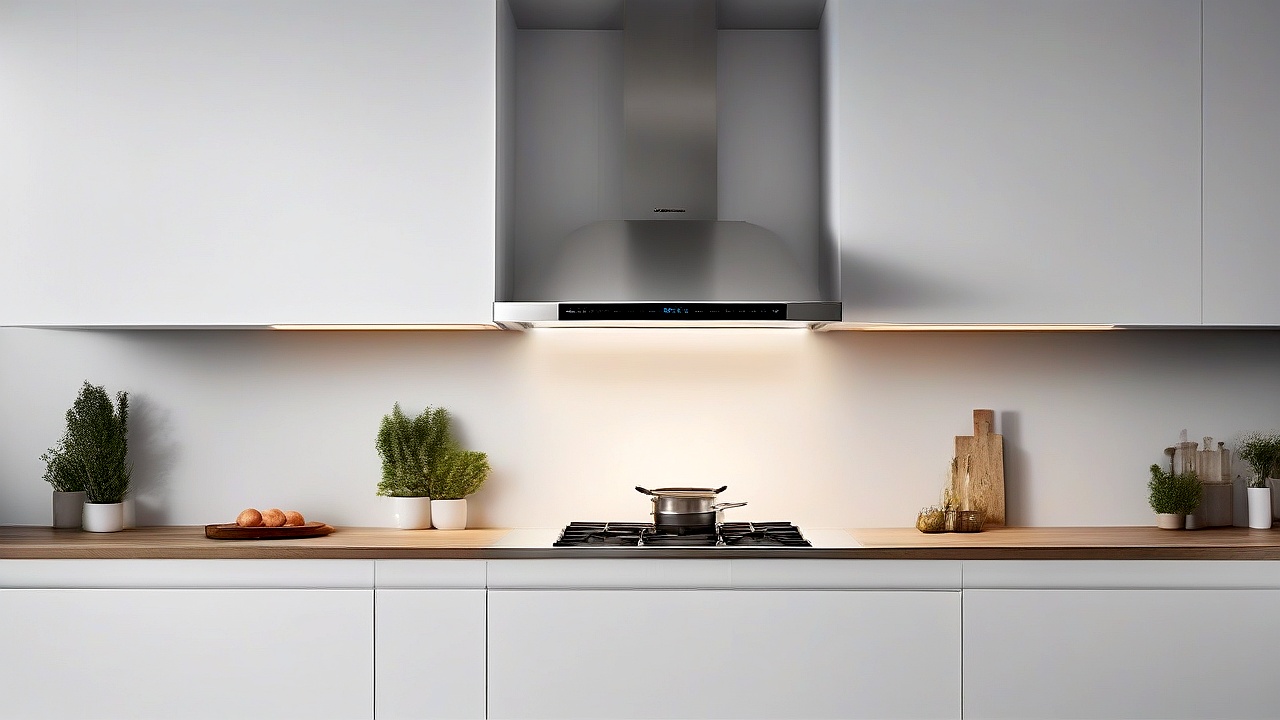
Range hoods work in two main ways: air filtration and ventilation. When minerals collect in different parts due to hard water:
- Accumulation on fan blades reduces air flow
- The pores of the filters become clogged, which prevents grease and odor from being filtered properly
- Corrosion begins on metal surfaces, leading to long-term damage
- Additional load on the motor, causing increased energy consumption and reduced lifespan
Even if these problems start slowly, over time your range hood can become less functional. Therefore, it is important to understand the effects of hard water and how to prevent it.
How Hard Water Damages Different Parts of Your Range Hood
1. Grease Filters Clogging and Reduced Efficiency
Most range hoods come with mesh filters or carbon filters that separate grease and odor. But when hard water minerals build up, the pores of these filters become clogged. As a result:
- Airflow restriction reduces the suction power of the hood
- The air quality of the kitchen is poor because the grease is not properly filtered
- Cleaning filters takes more time and effort
According to a survey, households with hard water issues need to clean their range hood filters every 2-3 months, while it takes up to 6 months for households with soft water.
2. Fan and Blades Corrosion and Imbalanced Rotation
When mineral deposits accumulate on the fan blades of range hoods:
- The weight of the blades increases, which puts extra stress on the motor
- Imbalance increases vibration and noise
- Corrosion reduces the strength of the blades and makes them prone to breakage
Even if these problems start slowly, over time the fan may stop working completely.
3. Motor Overheating Due to Mineral Buildup
When mineral deposits form around the range hood motor, it:
- Reduces heat dissipation, causing the motor to overheat
- The thermal protection system may become active, causing the hood to shut off suddenly
- Motor lifespan decreases and repair costs increase
A study showed that due to hard water, the failure rate of range hood motors increases up to 30%.
4. Ventilation Ducts Corrosion and Airflow Restriction
When humid air passes through the range hood’s duct system, hard water minerals accumulate and cause corrosion on the inner walls of the duct. As a result:
- The inside of the duct becomes rough, which reduces air flow
- Corrosion can cause holes in the duct, allowing kitchen air to spread to other parts of the home
- Duct cleaning takes more effort and sometimes the duct must be replaced
Signs Your Range Hood is Suffering from Hard Water Damage
Check for some common symptoms to understand if your range hood is losing performance:
| Symptom | Possible Cause | Solution |
|---|---|---|
| Fan is spinning but suction power is low | Filters getting clogged, mineral deposit on fan blades | Clean filters, clean fan blades |
| Unusual noise when starting range hood | Mineral deposit on blades, unbalanced rotation | Clean blades, check motor lubrication |
| Motor overheating | Reduced heat dissipation due to mineral buildup | Clean the motor, check ventilation duct |
| Deterioration of kitchen air quality | Filters getting clogged, duct system problems | Replace filters, clean duct |
| Range hood suddenly shuts off | Thermal protection system active | Clean the motor, consult a technician |
Step-by-Step Guide: Cleaning Your Range Hood to Remove Hard Water Deposits
Tools and Materials You’ll Need
- White vinegar (or lemon juice)
- Baking soda
- Soft-bristle brush (e.g., toothbrush)
- Microfiber cloth
- Warm water
- Mild dish soap
- Rubber gloves (to protect hands while cleaning mineral deposits)
Cleaning the Grease Filters
Step 1: First turn off the power to the range hood and remove the filters. Most range hoods have a latch or screw to open the filters.
Step 2: Place the filters in a basin or sink and soak them in warm water for 10-15 minutes. This will soften the mineral deposit.
Step 3: Mix white vinegar and warm water in a 1:1 ratio in a bowl. Soak the filters in this solution for 30 minutes. Vinegar’s acetic acid helps remove mineral deposits.
Step 4: Using a soft-bristle brush, gently scrub the grease and mineral deposits on the filters. If the filters are very clogged, make a paste of baking soda and apply it to the filters for 10 minutes, then scrub.
Step 5: Rinse the filters in clean water and dry them. Then reinstall them on the range hood.
Cleaning the Fan Blades and Motor Housing
Step 1: Turn off the power to the range hood and open the hood cover to access the fan blades. In most cases, the cover is attached with screws.
Step 2: Gently wipe dust and mineral deposits from the fan blades with a soft cloth. If the deposit is heavy, use a cloth soaked in vinegar solution.
Step 3: Use compressed air to clean dust and mineral deposits around the motor housing. If compressed air is not available, use a soft-bristle brush.
Step 4: Be careful not to get any liquid around the motor. If any liquid gets inside the motor, it can cause permanent damage.
Cleaning the Ventilation Ducts
Cleaning ventilation ducts can be more challenging because the inside of the ducts is not easily accessible. However, there are ways to clean them:
- DIY Method: Use a long, flexible brush (such as a chimney brush) to clean dust and mineral deposits inside the ducts.
- Professional Cleaning: If the ducts are very clogged, seek the help of a professional duct cleaning service.
- Vinegar Spray: Spray vinegar solution inside the duct and wait 30 minutes. Then blow out debris using compressed air.
Preventive Measures: Protecting Your Range Hood from Hard Water Damage
1. Use a Water Softener or Filtered Water for Cleaning
If you use hard water while cleaning the range hood, it will create mineral deposits again. So:
- Use distilled water or filtered water for cleaning
- If possible, install a small water softener system for the kitchen
- Add white vinegar or lemon juice to the cleaning solution, as these act as natural descalers
2. Regular Maintenance Routine
Regular maintenance is important to maintain the performance of your range hood. Follow the routine below:
- Weekly: Remove grease buildup on filters. If the filters are dishwasher-safe, wash them in the dishwasher once a month.
- Monthly: Clean fan blades and motor housing. If any unusual noise or vibration is noticed, clean it immediately.
- Every 3-6 Months: Check ventilation ducts and clean if any clogging or corrosion is found.
- Yearly: Have a professional technician perform an overall check-up of the range hood.
3. Install a Range Hood with Hard Water Resistance Features
If your area is prone to hard water, consider purchasing range hoods that are hard water-resistant:
- Stainless Steel Construction: Stainless steel is corrosion-resistant and easy to clean.
- Aluminum Filters: Aluminum filters are corrosion-resistant and long-lasting.
- Sealed Motor Housing: A sealed motor housing prevents mineral deposits from entering the motor.
- Easy-to-Clean Design: Some range hoods have filters and blades designed to be easy to clean.
Some well-rated hard water-resistant range hood models:
| Brand & Model | Key Features | Price Range |
|---|---|---|
| Bosch 800 Series CFV83015S | Stainless steel construction, aluminum filters, sealed motor housing | $$$ |
| KitchenAid KVDU566DSS | Ductless design, dishwasher-safe filters, corrosion-resistant coating | $$ |
| ZLINE KB-36 | Heavy-duty stainless steel, easy-to-clean mesh filters | $$$ |
| Broan-NuTone 413004 | Aluminum mesh filters, durable motor, affordable price | $ |
4. Use a Range Hood with a Built-in Water Filter
Some advanced range hood models have built-in water filters that remove hard water minerals during cleaning. These filters typically include:
- Carbon filters (which remove chlorine and other impurities)
- Sediment filters (which remove larger particles)
- UV filters (which remove bacteria and viruses)
If you’re on a budget, consider buying range hoods that come with a built-in water filter.
DIY vs. Professional Cleaning: Which is Better for Hard Water Deposits?
There are two main ways to clean hard water deposits: DIY cleaning and professional cleaning. Which one is best for you will depend on the amount of deposit, your budget, and time. If your range hood has minor dirt and you want regular maintenance, DIY cleaning is sufficient. But if there is heavy dirt that has accumulated over the years or you are not comfortable cleaning it yourself, professional cleaning is a good option.
DIY Cleaning
Pros:
- Cost-effective: Can be cleaned at home for about $10-$30.
- Easily accessible: The required materials are readily available in stores.
- Good for regular maintenance: Range hoods last longer if cleaned monthly with light soiling.
- Convenient: Can be done at your own pace.
Cons:
- Not effective for heavy dirt: Calcium and magnesium layers accumulated over the years cannot be completely removed with DIY methods.
- Risk of damage: Improper cleaning can damage various parts of the range hood.
- Labor-intensive: It takes time and effort to clean, especially the fan blades and the inside of the motor.
Some useful tips for DIY cleaning:
- Vinegar and water mixture: Mix equal amounts of white vinegar and warm water and fill a spray bottle. Spray this mixture on the grease filter, fan blades, and motor housing and leave it for 15-20 minutes. Then scrub clean with a soft brush or sponge.
- Baking soda paste: Make a paste by mixing baking soda and water. Apply this paste to heavily soiled areas and leave it for 10 minutes. Then scrub with a brush and rinse.
- Lemon juice: The citric acid in lemon juice helps remove hard water deposits. Apply lemon juice directly to the buildup, let it sit for a while, then wash it off.
Professional Cleaning
Pros:
- Thorough cleaning: Capable of completely removing hard water deposits accumulated over the years.
- Deep cleaning: Fan blades, motors, and the inside of ventilation ducts are also cleaned.
- Time-saving: Gets the job done faster than cleaning it yourself.
Cons:
- Higher cost: Typically ranges from $100-$300, which is expensive for many.
- Scheduling required: Must make an appointment and wait for a specified time.
- Limited availability: Quality service may not be available in all areas.
Methods that technicians use during professional cleaning:
- High-pressure water jet: Dirt is removed by flowing water at high pressure through a special device.
- Chemical descaling: Hard water deposits are removed using strong descaling chemicals.
- Ultrasonic cleaning: In some cases, ultrasonic waves are used to remove dirt very finely.
DIY vs. Professional: Which One to Choose?
Consider a few things when making this decision:
| Subject | DIY Cleaning | Professional Cleaning |
|---|---|---|
| Expenses | Very low ($10-$30) | Relatively high ($100-$300) |
| Functionality | Good for light to medium dirt | Good for heavy dirt and long-standing buildup |
| Time | May take longer | Completed in less time |
| Risk | Incorrect method may cause damage | Less risk of damage |
| Features | Can be done at your convenience | Handled by an experienced person |
If your range hood condition is:
- You perform regular cleaning every month and only light dirt has accumulated, then DIY cleaning is better.
- If years of neglect have led to heavy dirt accumulation, professional cleaning should be done.
- If you are not comfortable cleaning yourself or lack the time, it is better to have professional cleaning.
When to Call a Professional: Red Flags You Shouldn’t Ignore
There are some signs that indicate professional cleaning is needed now. If your range hood is experiencing any of the following problems, seek the help of an expert without delay:
- Persistent unpleasant odor: If there is always an unpleasant smell in the kitchen, it may indicate that bacteria or fungus is growing due to dirt buildup.
- Unusual noises: If an abnormal noise is heard when the range hood is turned on, such as a grinding or rattling sound, it may indicate a problem with the fan blades or the motor.
- Reduced airflow: If smoke or odor does not clear even after turning on the range hood, it may indicate that the ventilation duct is blocked.
- Visible corrosion or rust: If any part of the range hood is rusted or corroded, it should be addressed immediately.
- Motor overheating: If the motor overheats when the range hood is turned on, it may cause damage to the motor.
Cost Comparison: DIY vs. Professional Cleaning
The cost of range hood cleaning depends on several factors. Below is a typical cost comparison:
| Expenditure Type | DIY Cleaning | Professional Cleaning |
|---|---|---|
| Material Cost | $10-$30 (vinegar, baking soda, brush, sponge) | N/A |
| Tools Rental Cost | $0-$20 (if renting special tools) | N/A |
| Technician Costs | N/A | $100-$300 (depending on area and service) |
| Transportation Costs | $0-$15 (if going to buy materials from a store) | $0-$50 (if the technician must come to the home) |
| Total Cost | $10-$65 | $100-$350 |
From the above table, it is clear that the cost of DIY cleaning is much less than professional cleaning. However, if heavy dirt needs to be cleaned, professional cleaning is better.
Final Tips Before You Decide
Keep some important tips in mind before making your decision:
- Assess the condition of the range hood: First assess the condition of your range hood. If there is significant damage, professional cleaning is better.
- Set a budget: Consider what your budget is. If you want a low-cost solution, do DIY cleaning. If you can spend more, consider professional cleaning.
- Consider time and effort: If cleaning yourself takes too much time and effort, professional cleaning may be better.
- Make it a regular maintenance habit: After any type of cleaning, establish a regular maintenance routine. This can help avoid major problems in the future.
- Choose a reliable service provider: For professional cleaning, select a technician who is experienced and reliable. Check online reviews or ask for recommendations from people you trust.
Conclusion
Hard water deposits can damage your range hood and reduce its performance. There are two approaches to address this issue: DIY cleaning and professional cleaning. If your range hood has light to moderate dirt buildup, DIY cleaning is sufficient. It is also cost-effective and allows for regular maintenance. However, if heavy dirt has accumulated over the years or parts of the range hood are damaged, professional cleaning is the best option.
Always follow proper procedures before any type of cleaning. Improper cleaning can damage the range hood. With regular maintenance, range hoods can last a long time.

About the Author
Hi I am an Engineer I have passed my diploma in Engineering in 2007. Academically I have studied about home appliances and various motors and machineries. In 2012 I have started my blogging and learned a lot of things about home appliances especially washing appliances, washing and cleaning related products, and eequipments. In 2019 I have started my blog https://appliancesky.com to provide my research and experience with my fan and followers.