Top 10 Most Common Washers Problems and DIY Repair Solutions
Introduction: Identifying and fixing washer problems yourself
Washer machines have become an essential part in today’s busy life. But if suddenly it is seen that the washer is not working, then the whole house should stop! Most issues arise from minor problems. But identifying those problems and fixing them yourself can save a lot of time and money.
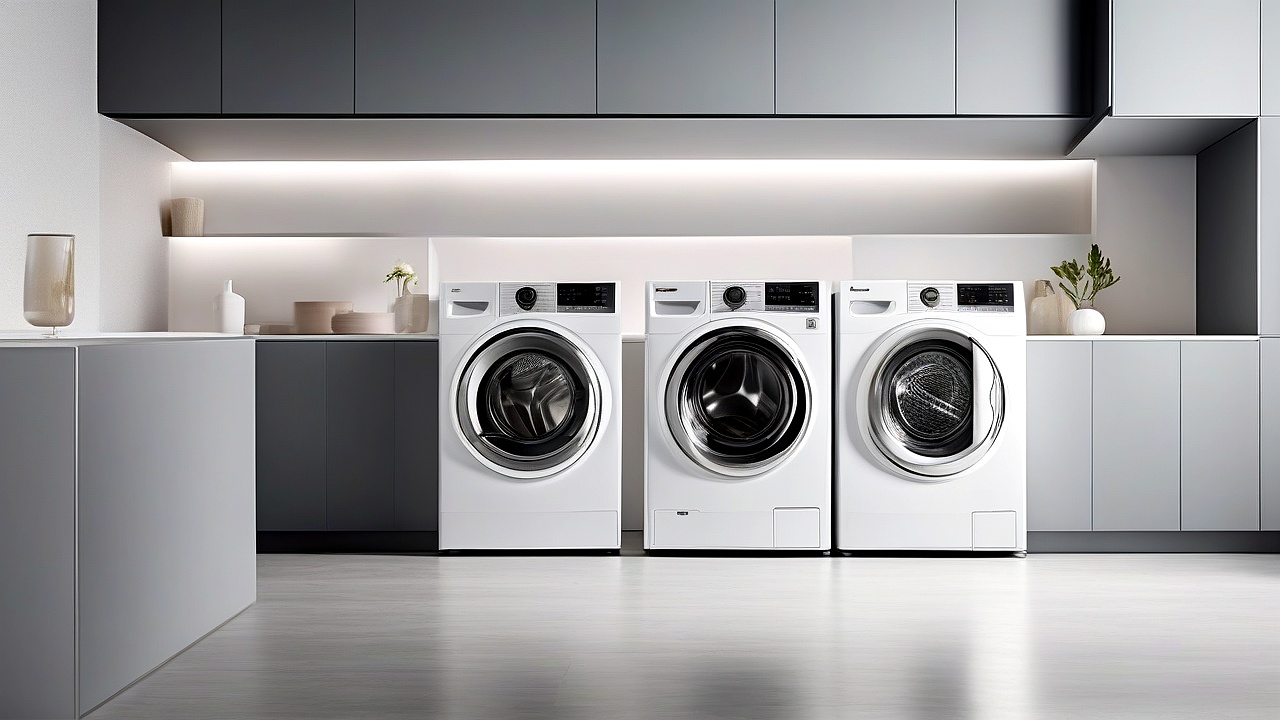
In this article we will discuss the 10 common washer problems and their DIY solutions. You can learn the details from the cause of each problem to the step-by-step solution. Here are some tips that will help keep your washer in good condition for a long time.
1. Washer Not Starting
Possible causes:
- Power Supply Issue: Check if the plug is inserted properly, or if the fuse is blown.
- Door Lock Problem: Most washers have a door lock system. If the door does not lock properly, the washer will not start.
- Control Panel Malfunction: If there is a malfunction in the control panel, the washer will not start.
- Faulty Start Switch: Check if the washer’s start button is working.
Solution:
- Check Power Supply:
- Turn on the washer. If no light comes on, try plugging it into another device.
- Check the fuse or circuit breaker. If the fuse is blown, install a new fuse.
- Check Door Lock:
- Close the door securely. Most washers only start when the door is locked.
- If the door does not lock, the door lock assembly must be replaced.
- Reset Control Panel:
- Unplug the washer and leave it for 5 minutes. Then try plugging in and turning it on again.
- If that still doesn’t work, check the control panel. Check if any buttons are stuck.
- Replace Start Switch:
- If the start button does not work, a new start switch must be installed. Purchase replacement parts according to the washer model.
Pro Tips:
Check the power cable of the washer regularly. If there are any signs of damage, replace immediately.
2. Washer Not Filling with Water
Possible causes:
- Water Supply Issue: Check if the water inlet valve is closed.
- Clogged Water Inlet Filter: If the water inlet filter is dirty, water will not flow.
- Faulty Water Level Sensor: Check if the water level sensor is working.
- Broken Water Pump: Water will not come if the water pump is not working.
Solution:
- Check Water Supply:
- Open the water inlet valve. If the valve is closed, open it.
- Check the water hose. If there are any signs of folding or damage, replace.
- Clean the Water Inlet Filter:
- Open and clean the water inlet filter thoroughly. In most cases this is the cause of the problem.
- After cleaning the filter, put it back in the washer.
- Check Water Level Sensor:
- Check the water level sensor according to the washer’s manual. If the sensor does not work, it must be replaced.
- Replace Water Pump:
- If the water pump does not work, a new pump must be installed. For this you have to buy spare parts according to the model of washer.
Pro Tips:
Clean the washer water inlet filter every 6 months. It will help reduce the problem of water coming.
3. Washer Not Draining Water
Possible causes:
- Clogged Drain Pump or Hose: If the drain pump or hose is dirty, the water will not drain.
- Faulty Drain Pump: Check if the drain pump is working.
- Obstructed Drain Line: Check if the drain line is blocked in any way.
- Broken Lid Switch: Most washers have a lid switch. If the switch doesn’t work, there will be no drain.
Solution:
- Clean the Drain Pump and Hose:
- Unscrew the drain pump from the bottom of the washer. The drain pump on most washers is easy to open.
- Clean the pump and hose thoroughly. Check if there is any dirt or piece of cloth stuck.
- Replace Drain Pump:
- If the drain pump does not work, a new pump must be installed.
- Clean the Drain Line:
- Follow the instructions in the washer’s manual for cleaning the drain line.
- If the drain line is clogged, remove the line from under the washer and clean it.
- Replace Lid Switch:
- If the lid switch does not work, a new switch must be installed.
Pro Tips:
Clean the washer drain pump every year. It will help reduce the drain problem.
4. Washer Vibrating or Shaking Excessively
Possible causes:
- Unbalanced Load: If the clothes are unevenly arranged inside the washer, the washer will vibrate.
- Loose or Worn-Out Shock Absorbers: Washer shock absorbers will vibrate if they are worn or loose.
- Faulty Suspension Springs: If suspension springs are damaged, the washer will vibrate.
- Uneven Floor: The washer is placed on an uneven surface.
Solution:
- Load Balance:
- Arrange the clothes evenly inside the washer. Separate heavy clothes.
- Do not load more clothes than the capacity of the washer.
- Check Shock Absorbers:
- Open the shock absorbers from under the washers. If any shock absorber is corroded, replace it.
- Check Suspension Springs:
- Look at the suspension springs on the top of the washer. If a spring is worn, replace it.
- Level the Floor:
- Check that the place where the washer is placed is level. If not, place something under the washer to keep the washer level.
Pro Tips:
Always keep the washer on a level surface. If the washer starts to vibrate, turn it off immediately and find the cause of the problem.
5. Washer Smelling Bad
Possible causes:
- Mold and Mildew Buildup: Mold and mildew buildup inside the washer will cause bad smells. Especially the door seals, inside the drum and around the detergent dispenser tend to accumulate more.
- Dirty Detergent Dispenser: The detergent dispenser will smell bad if not cleaned. Because bacteria can grow here from detergent residue.
- Clogged Drain Pump: If the drain pump is not cleaned, it will smell bad. Because bacteria grows when water accumulates.
- Using Too Much Detergent: Using too much detergent will cause the foam inside the washer to smell. Because excess suds get stuck inside the washer and breed bacteria.
- Dirty Door Seal: If the door seal of the washer is not cleaned, it will smell bad. Because water accumulates here and bacteria grows.
- Infrequent Use: If the washer is not used for a long time, bad smells may develop inside. Because bacteria grows when water accumulates.
Solution:
- Clean Mold and Mildew:
- Run the washer with a cup of vinegar or baking soda inside the washer. It will remove mold and mildew.
- Clean the washer door and seal thoroughly. Clean using a soft brush or sponge.
- Wipe the inside of the washer thoroughly with a clean cloth or sponge.
- Clean the Detergent Dispenser:
- Open the detergent dispenser and clean it thoroughly. Wash with warm water and soap.
- Remove any residue inside the dispenser.
- Clean the Drain Pump:
- Unscrew the drain pump and clean it thoroughly. Remove any dirt or residue from inside the pump.
- Reattach pump thoroughly after cleaning.
- Reduce detergent usage:
- Use the correct amount of detergent for the washer. Refer to the washer’s manual to determine the amount of detergent.
- Using excess detergent can cause foam to build up inside the washer.
- Keep the washer running regularly:
- If the washer is not used for a long time, it can cause bad smells inside. So keep the washer running regularly.
- Turn on empty when starting the washer. It keeps the inside of the washer clean.
Pro Tips:
- Use vinegar: Run the washer once a month with a cup of vinegar inside the washer. It keeps the inside of the washer clean and eliminates odors.
- Keep the washer open: Leave the door and detergent dispenser open after using the washer. It circulates air inside and removes bad odors.
- Use the correct amount of detergent: Use the correct amount of detergent for the washer. Using too much detergent can build up foam inside the washer and cause bad odors.
- Use special cleaners to clean the washer: Special cleaners are available in the market to clean the washer. Using them keeps the inside of the washer clean.
6. Washer Maintenance Tips
Regular maintenance is very important to extend the life of the washer and avoid problems. Below are some important washer maintenance tips:
Clean regularly:
- Clean the drum: Clean the drum of the washer once every month. Clean the drum using vinegar or washer cleaner.
- Clean the detergent dispenser: Clean the detergent dispenser once every month. Wash with warm water and soap.
- Clean the door seal: Clean the door seal once every month. Clean using a soft brush or sponge.
Turn on the washer at specified intervals:
- Run the empty washer: Run the empty washer once every month. It keeps the inside of the washer clean.
- When starting the washer: Turn on empty when starting the washer. It keeps the inside of the washer clean.
Use the specified amount of detergent:
- Determine amount of detergent: Use a specific amount of detergent for the washer. Refer to the washer’s manual to determine the amount of detergent.
- Avoid using too much detergent: Using too much detergent can cause foam to build up inside the washer and smell bad.
Note the position of the washer:
- Place the washer on a flat surface: Place the washer on a flat surface. This will prevent excessive shaking of the washer and reduce the problem.
- Keep the area around the washer clean: Keep the area around the washer clean. It keeps the inside of the washer clean.
7. Things to consider before buying a washer
There are some important things to consider before buying a washer. Below are some important points:
Select washer type:
- Top-Load Washer: Top-load washers are easy and quick to use. Besides, they are less expensive.
- Front-Load Washer: Front-load washers are more energy-efficient and have more capacity. Besides, they use less water.
Select Washer Capacity:
- Small Family: A 13-15 lb capacity washer is enough for a small family.
- Medium Family: An 18-20 lb capacity washer is enough for a medium family.
- Large Family: A large family needs a washer of 22 lb or more capacity.
Consider Energy Efficiency of Washers:
- Energy Star Rating: Choose a washer with an Energy Star Rating. It will reduce electricity consumption.
- Water Efficiency: Consider the water efficiency of the washer. Choose a washer that uses less water.
Consider the Noise Level of the Washer:
- Quiet Operation: Consider the noise level of the washer. Choose a washer that makes less noise.
Consider Washer Brand and Warranty:
- Popular Brands: Choose washers from popular brands like LG, Samsung, Bosch, Frigidaire, or Whirlpool. They are of good quality.
- Warranty: Consider the washer’s warranty. Choose a washer with a long warranty.
8. Washer Troubleshooting: When to Get Professional Help?
Professional help should be sought if the washer problem cannot be solved by oneself. Mentioned below are some areas where professional help should be sought:
In case of serious problems:
- Washer not turning on: Washer is not turning on and no reason can be found.
- Washer overheating: Washer overheating and no cause found.
- Electric shock coming from washer: Electric shock coming from washer. This can be dangerous.
In case of problems with important parts of the washer:
- Motor Problems: Professional help should be sought if the washer has motor problems. Because motor problems are difficult to solve by yourself.
- Transmission Problems: Professional help should be sought if the washer has transmission problems. Because transmission problems are difficult to solve by yourself.
- Control Board Problems: Professional help should be sought in case of washer control board problems. Because control board problems are difficult to solve by yourself.
Regarding the warranty of the washer:
- If under warranty: Professional help should be sought if the washer is under warranty. Because the washer can be repaired for free if it is under warranty.
Conclusion
Washers are an important appliance in our daily life. But often face various problems. In this article, we have discussed the most common washer problems and their solutions in detail.
If you want to troubleshoot the washer yourself, follow the instructions above. But if the problem is serious or cannot be solved by yourself, then seek professional help. Because attempting the wrong solution may cause further damage to the washer.
Also regular maintenance of the washer will increase the life of the washer and reduce problems. Clean the washer regularly, use the correct amount of detergent and pay attention to the location of the washer.
Before buying a washer

About the Author
Hi I am an Engineer I have passed my diploma in Engineering in 2007. Academically I have studied about home appliances and various motors and machineries. In 2012 I have started my blogging and learned a lot of things about home appliances especially washing appliances, washing and cleaning related products, and eequipments. In 2019 I have started my blog https://appliancesky.com to provide my research and experience with my fan and followers.