Complete Safety Guide to Prevent Electrical & Fire Hazards While Using Washing Machine
Your washing machine may have been working reliably for a long time, but it can hide serious electrical and fire hazards. Washing machines cause electrical short circuits, overheating, and even fire incidents in many homes every year. These dangers are made worse by older models or careless use.
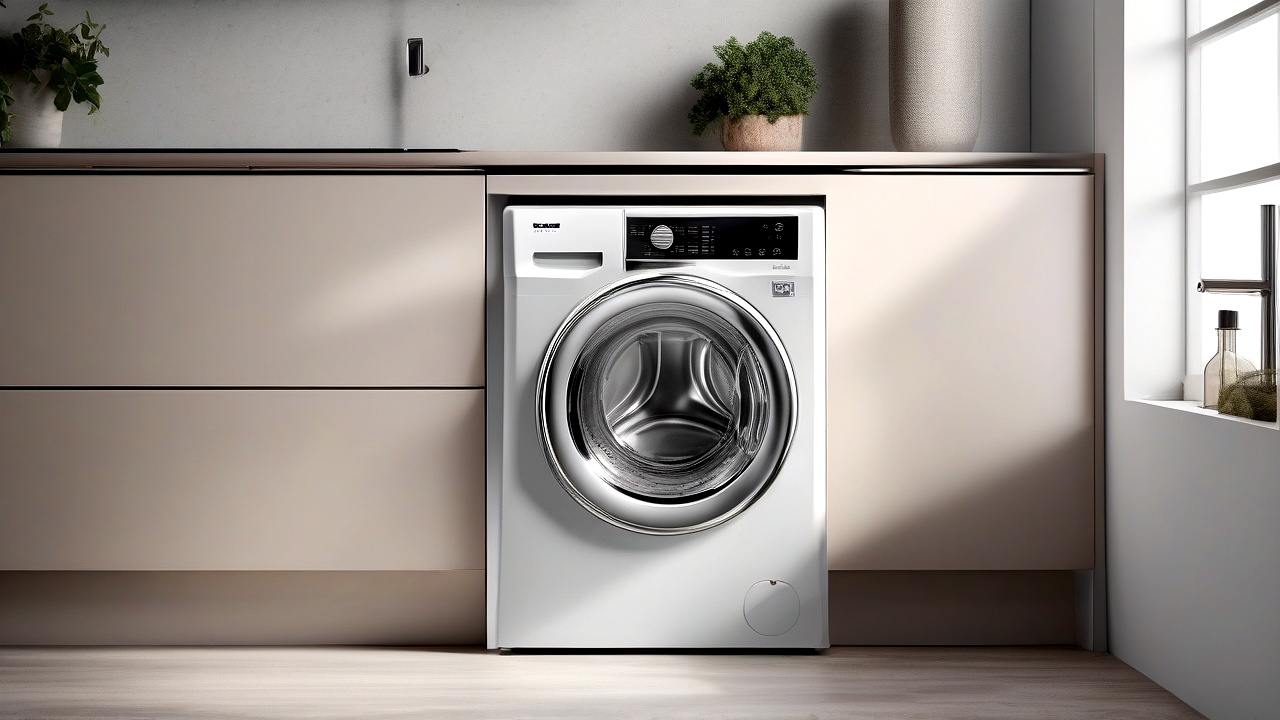
In today’s guide, we will discuss how you can ensure the safety of your home and family, what special precautions to take when using a washing machine, and what signs to look for immediately. Let’s get started!
Why Do Electrical & Fire Hazards Occur While Using a Washing Machine?
Heavy appliances like washing machines use a lot of electricity, which can lead to hazards for a few common reasons. Below are some of the main reasons:
1. Overloaded Circuit
If there is not a separate dedicated circuit for the washing machine, it may cause overload when combined with other appliances. As a result, the risk of an electrical fire or short circuit increases.
Example: Many people connect a washing machine to a typical 15-amp circuit, but a 20-amp dedicated circuit is ideal for a washing machine.
2. Faulty Wiring
Old or damaged electrical wiring can pose a serious hazard to the washing machine. This is especially true if the wires have damaged insulation or loose connections.
Also, incorrect wiring during DIY installation can cause danger later.
3. Overheating
The motor, heating element (such as the washer heater), and control board inside the washing machine can overheat. The main reasons for this are:
- Clogged lint filter or drain pump – resulting in water not draining properly and the machine heating up.
- Faulty thermostat – which cannot control the temperature of the appliance.
- Worn-out bearings or motor brushes – causing the motor to overheat.
4. Faulty Outlet or Power Cord
If the power cord of the washing machine is damaged or if the outlet is old and weak, sparking or an electrical fire may occur. This is especially true if the wires are cracked or exposed.
5. Lack of Adequate Ventilation
A washing machine should always be placed in a location where proper ventilation is available. If the machine is kept in an enclosed space, such as a room where clothes are dried, extra heat can accumulate and increase the fire hazard.
6. Using Extension Cords
Running the washing machine with an extension cord is dangerous. Reasons include:
- Extension cords are usually made of thinner wire, which cannot handle high current.
- Temporary connections may lead to loose connections.
- Most extension cords are not fire-resistant.
Safety Tips When Using a Washing Machine – How to Avoid Hazards
Now we will discuss how you can prevent electrical and fire hazards while using your washing machine. Follow the tips below:
1. Use a Separate Dedicated Circuit
Always connect the washing machine to a separate 20-amp dedicated circuit. This results in:
- Less chance of overload with other equipment.
- The circuit breaker can easily detect danger.
- An electrical fire can be prevented.
How do you know your circuit is strong enough?
- Check the wattage written on the washing machine (usually 500W to 1500W).
- Add a separate circuit breaker to your home’s electrical panel.
- If the home has a 15-amp circuit, change it to 20-amp.
2. Clean and Maintain the Washing Machine Regularly
Many people forget to clean the washing machine, which leads to various problems. Regular cleaning significantly reduces fire hazards.
How to Clean?
- Lint Filter: Clean the lint filter after every use. It accumulates water and fabric lint.
- Drum & Door Seal: Clean the soap and dirt that accumulates on the door seal or gasket. Bacteria can grow in these areas and cause foul odors.
- Detergent Drawer: Soap residue builds up here. Clean regularly.
- Exterior Cleaning: Clean the exterior of the machine regularly to prevent dust buildup.
- Vinegar Wash: Run the washing machine with white vinegar once a month. It removes bacteria and odors.
3. Prevent Overheating
A washing machine overheating is a common problem that can create a fire hazard. Follow the steps below to prevent this:
Overheating Causes and Solutions
| Reason | Solution |
|---|---|
| Clogged lint filter or drain pump | Clean the lint filter after each use. If there is a problem with draining, clean the drain pump. |
| Faulty thermostat | If the machine overheats or cannot control the temperature, replace the thermostat. |
| Worn-out motor bearings | If the motor’s bearings are damaged, the device may overheat. In this case, motor replacement may be required. |
| Improper detergent usage | Using too much soap can create foam and cause the machine to overheat. Use the proper amount of soap. |
| Long continuous usage | Do not run the washing machine continuously for long periods. Turn it off once every 3-4 hours. |
4. Check Faulty Wiring and Power Cord
Always check the power cord and wiring before using the washing machine. If a problem occurs, take action immediately.
How to Test?
- Power Cord Inspection:
- Check the wires for any cracks or exposed wires.
- Check that the plug is firmly inserted into the socket.
- If cables are frayed or damaged, replace them immediately.
- Never use taped wires.
- Wiring Inspection:
- Open the back of the washing machine and check the wiring connections.
- If any wire is loose or burnt, replace it.
- Replace old wires if they have damaged insulation.
- If any wires give off a melted smell, stop the machine immediately.
5. Ensure Proper Ventilation
Place the washing machine in an area with proper airflow. Especially:
- Keep the washing machine at least 2-3 inches away from the wall.
- If possible, keep it in a vented area such as a garage or laundry room.
- Do not place the washing machine in an enclosed space such as a clothes dryer.
- If the machine is indoor, use a dehumidifier.
- Keep the windows open when operating the machine during hot weather.
6. Avoid Using an Extension Cord
Avoid running the washing machine with an extension cord. If absolutely necessary, then:
- Use a heavy-duty extension cord (at least 14-gauge).
- Avoid prolonged use.
- Always try to use a direct wall outlet.
- Never use multi-plug adapters.
7. Perform Regular Maintenance
Perform regular maintenance to keep the washing machine safe for a long time. Follow the steps below:
Maintenance Schedule
| Action | Frequency |
|---|---|
| Lint Filter Cleaning | After each use |
| Drum & Door Seal Cleaning | Every week |
| Detergent Drawer Cleaning | Per month |
| Drain Pump Cleaning | Every 3 months |
| Motor & Bearings Inspection | Every 6 months |
| Water Inlet Valve Cleaning | Every 6 months |
| Leveling Check | Every year |
8. Use the Washing Machine Properly
Hazards can be avoided by following some simple rules while using the washing machine. For example:
- Do not load more clothes than the load capacity. Load the clothes according to the capacity written on the machine.
- Detergent Usage: Do not use excessive soap. Use the proper amount of soap.
- Wash Cycle: Use the heavy-duty cycle for heavier clothes.
- Rinse Cycle: Run the rinse cycle after each use.
- Unplug When Not in Use: Unplug the power plug if the machine is not in use for a long time.
9. Emergency Preparedness
Know in advance what to do if any danger occurs while using the washing machine. For example:
- Fire Safety:
- If smoke or fire appears from the machine, immediately remove the power plug.
- Never try to put out a fire with water. Use a fire extinguisher.
- If possible, save an electrician’s number as an emergency contact.
- Electrical Shock:
- If someone gets an electric shock, turn off the power source immediately.
- Apply CPR to the injured person if you know how.
- Get medical help as soon as possible.
Conclusion
A washing machine is an important appliance in our daily life. However, many times electrical and fire hazards occur due to improper use. By following the tips discussed in this article, you can keep your washing machine safe and protect your family members.
Remember, prevention is better than cure. Maintain the appliance regularly, use it properly, and consult a professional electrician if necessary. If at any time you experience unusual noises, odors, or heat from the machine, turn off the machine immediately and resolve the problem.
We hope this guide was helpful for you. If you have any questions, please let us know below.

About the Author
Hi I am an Engineer I have passed my diploma in Engineering in 2007. Academically I have studied about home appliances and various motors and machineries. In 2012 I have started my blogging and learned a lot of things about home appliances especially washing appliances, washing and cleaning related products, and eequipments. In 2019 I have started my blog https://appliancesky.com to provide my research and experience with my fan and followers.