Compact vs. Full-Size Washers: Which Space-Saving Washer Fits Your Home Best?
Why Size Matters: The Space-Saving Dilemma in Modern Homes
Is your laundry space very small? Or does laundry pile up constantly, making the frustration unbearable? Many people are confused about the differences between compact washers and full-size washers. But understanding the distinctions between these two types and determining which is best for you is essential.
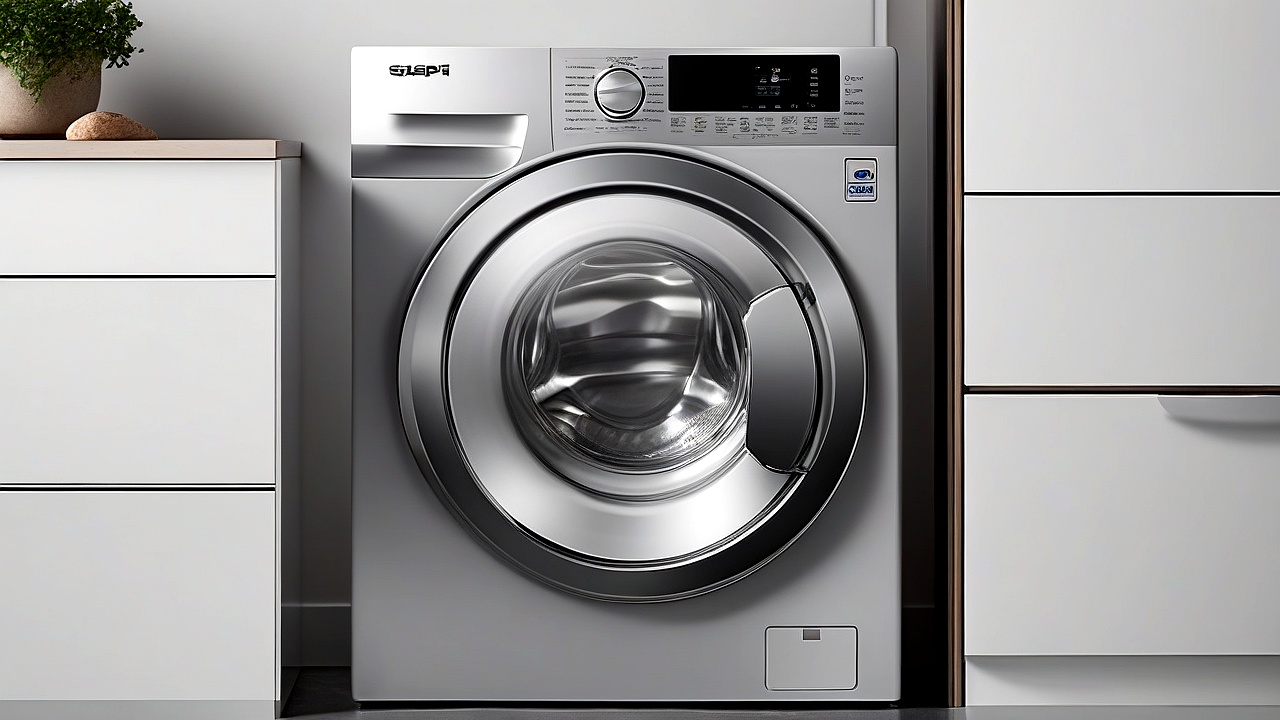
Today, from urban apartments to small families, everyone wants an efficient and space-friendly laundry routine. While compact washers are growing in popularity, many hesitate when comparing their performance and capacity to full-size washers. Let’s discuss the details.
Compact Washers: Small-Space Convenience
What conveniences do they offer?
- Space Efficiency: Compact washers typically have a capacity of 2.3 to 2.5 cubic feet, which is almost half that of a standard full-size washer. This makes them perfect for small apartments, kitchenettes, or laundry closets.
- Energy & Water Savings: Due to their smaller capacity, they use less water and electricity, which helps reduce utility bills. Many compact washers are Energy Star certified, further improving energy efficiency.
- Easy Installation: Compact washers can be installed in any small space, even under a kitchen counter or next to a bathroom. A separate laundry room is not required.
- Portability: Most compact washers are lightweight and come with wheels, allowing them to be moved as needed.
- Lower Initial Cost: Compact models cost significantly less than full-size washers, making them a budget-friendly option.
What are the disadvantages?
- Limited Capacity: Compact washers cannot wash large loads at once—typically only 8-10 garments—so larger families or those with more laundry must run multiple cycles.
- Longer Wash Cycles: Due to their smaller capacity, wash and rinse cycles take longer, increasing overall washing time.
- Fewer Features: Compact models often lack advanced features such as steam cleaning, allergen cycles, or smart connectivity.
- Noise & Vibration: Some compact washers may vibrate more due to their small design, leading to noticeable noise in other parts of the room.
Who is a compact washer best for?
A compact washer is the best option in cases where:
- You have a small family (1-2 people)
- You live in a small apartment or studio
- You don’t have a dedicated laundry space
- Your budget is limited but you still want efficient washing
- You often do laundry alone or with one other person
Full-Size Washers: The Traditional Powerhouse
What benefits do they offer?
- Large Capacity: Full-size washers typically have a capacity of 3.5 to 5.0 cubic feet, allowing them to wash more clothes at once. This makes them ideal for large families or households with heavy laundry needs.
- Faster Wash Cycles: Due to their larger capacity, wash and rinse cycles complete more quickly, saving time.
- Advanced Features: Full-size models often include more advanced features, such as:
- Steam cleaning
- Allergen removal cycles
- Smart connectivity (Wi-Fi, app control)
- Multiple wash programs
- High-speed spin cycles
- Better Performance: Heavy-duty washers clean tough dirt and stains more effectively, helping clothes last longer.
- Durability: Full-size washers are generally more durable and built to last longer.
What are the disadvantages?
- Space Requirements: Full-size washers require a dedicated laundry room or larger space and are difficult to fit in small apartments.
- Higher Cost: Both the initial purchase price and installation costs are higher, which can be a challenge for tight budgets.
- Energy & Water Consumption: Due to their larger capacity, they use more energy and water, increasing utility bills.
- Noise & Vibration: Some full-size models may produce more vibration, leading to noticeable noise in other parts of the home.
Who is a full-size washer best for?
A full-size washer is the best option in cases where:
- You have a large family (4+ people)
- You do a lot of laundry (e.g., business owners, gym owners)
- You have a dedicated laundry room
- You want advanced features and high performance
- You want a long-term investment
Compact vs. Full-Size Washers: Side-by-Side Comparison
| Feature | Compact Washers | Full-Size Washers |
|---|---|---|
| Capacity | 2.3 – 2.5 cubic feet | 3.5 – 5.0 cubic feet |
| Wash Cycle Time | Longer (due to smaller load) | Shorter (due to larger load) |
| Energy Efficiency | High (uses less water & electricity) | Moderate to Low (uses more water & electricity) |
| Noise Level | Moderate to High (depends on model) | Moderate (some models have vibration reduction) |
| Price Range | $300 – $800 | $600 – $2,500+ |
| Installation Space | Small closet, kitchen, bathroom | Dedicated laundry room |
| Advanced Features | Limited (basic cycles) | Advanced (steam, allergen, smart features) |
| Durability | Moderate (smaller motor) | High (heavy-duty motor) |
| Best For | Small families, apartments, budget buyers | Large families, heavy laundry users, long-term investment |
Performance Comparison: Cleaning Power & Efficiency
Cleaning Power
Full-size washers generally provide more cleaning power because their motors and agitation systems are more powerful. As a result, they handle heavy dirt, stains, and grease more effectively. Compact washers have less cleaning power, though some high-end models include advanced cleaning technology to improve performance.
Water & Energy Efficiency
Compact washers consume less water and energy due to their smaller capacity and optimized wash cycles, which helps reduce utility bills. Full-size washers use more water and energy, though some Energy Star certified models offer higher efficiency.
Spin Speed
Full-size washers have a higher spin speed, which helps clothes dry more quickly. Compact washers have a lower spin speed, so clothes take longer to dry.
Cost Analysis: Initial Investment vs. Long-Term Savings
Initial Cost
- Compact Washers: $300 – $800
- Full-Size Washers: $600 – $2,500+
Compact washers are much less expensive, making them a good option for tight budgets. Full-size washers cost more but can be considered a long-term investment.
Long-Term Savings
- Energy Savings: Compact washers consume less energy, reducing utility bills. Full-size washers require more energy.
- Water Savings: Compact washers use less water, lowering water bills. Full-size washers use more water.
- Durability: Full-size washers are more durable and last longer. Compact washers are less durable and may require repairs or replacement sooner.
Total Cost of Ownership (TCO)
Compact washers have a lower total cost of ownership due to their lower initial cost and reduced utility bills. Full-size washers have a higher TCO because of their higher initial and utility costs. However, their greater durability makes them a better long-term investment.
Installation & Space Considerations
Compact Washers
Compact washers can be installed in small spaces, such as:
- Under a kitchen counter
- Next to a bathroom
- Inside a closet
- In a small corner of a laundry room
Compact washers are usually portable and can be moved as needed. Installation is also simple, with most models being plug-and-play.
Full-Size Washers
Full-size washers should be installed in a dedicated laundry room due to their size. Installation is more complex, and most models are designed for permanent placement, making them difficult to move.
Noise & Vibration: Which One is Quieter?
Compact washers tend to have more vibration because their motors and agitation systems are smaller. This can result in noticeable noise in other parts of the room. Full-size washers have less vibration due to their more powerful and balanced motors and agitation systems. Some high-end full-size models include vibration reduction technology to further lower noise levels.
Best Brands & Models in 2024
The most talked-about brands in the washer market in 2024 include LG, Samsung, GE Appliances, Bosch, and Whirlpool. Each brand has its own strengths—some excel in energy efficiency, while others focus on smart features. Below is a comparison of some of the best models of 2024, which you can choose based on your needs.
Top Compact Washers
Compact washers are ideal for small families or apartments. They take up less space but still offer strong cleaning power. Below is a list of some of the best compact washers of 2024:
| Brand & Model | Capacity | Key Features | Price Range |
|---|---|---|---|
| LG WM3400CW | 2.3 cu. ft. | Energy Star certified, 6 wash cycles, compact design | $500 – $600 |
| Samsung WF22A9100AW | 2.2 cu. ft. | VRT Plus technology, 10 wash cycles, smart features | $600 – $700 |
| GE Appliances GFW650SPNRS | 2.5 cu. ft. | Steam cleaning, 12 wash cycles, compact design | $700 – $800 |
| Bosch WAW284H0UC | 2.2 cu. ft. | EcoSilence motor, 14 wash programs, quiet operation | $800 – $900 |
| Whirlpool WTW8127LW | 2.3 cu. ft. | Load sensing, 12 wash cycles, affordable price | $450 – $550 |
Top Full-Size Washers
Full-size washers are the best choice if you have a large family or need to wash a lot of laundry. They can handle more clothes and clean faster thanks to their powerful motors. Below is a list of some of the best full-size washers of 2024:
| Brand & Model | Capacity | Key Features | Price Range |
|---|---|---|---|
| LG WM4000HWA | 4.5 cu. ft. | TurboWash360°, 12 wash cycles, smart diagnosis | $800 – $950 |
| Samsung WF45A6400AV | 4.5 cu. ft. | ActiveWash sink, 12 wash cycles, steam cleaning | $900 – $1,050 |
| GE Appliances GFW650SPNRS | 4.8 cu. ft. | Steam cleaning, 12 wash cycles, large capacity | $1,000 – $1,200 |
| Bosch 800 Series WAT28400UC | 4.2 cu. ft. | EcoSilence motor, 14 wash programs, quiet operation | $1,100 – $1,300 |
| Whirlpool WTW7127LW | 4.3 cu. ft. | PowerWash cycle, 12 wash cycles, durable | $750 – $900 |
Emerging Brands & Budget-Friendly Picks
New brands release models every year. Brands like Haier and Midea are gaining popularity due to their low prices. Frigidaire and Maytag are also known for their reliability. Below is a list of some affordable washers:
| Brand & Model | Type | Capacity | Key Features | Price Range |
|---|---|---|---|---|
| Haier HWD100-B1497 | Compact | 2.3 cu. ft. | Energy Star, 6 wash cycles, affordable | $350 – $450 |
| Midea MF100-14N1TW1 | Compact | 2.0 cu. ft. | Portable, 6 wash cycles, lightweight | $250 – $350 |
| Frigidaire FFRE4120SW | Full-Size | 4.3 cu. ft. | Affordable, 10 wash cycles, reliable | $500 – $650 |
| Maytag MFW6630HC | Full-Size | 4.8 cu. ft. | PowerWash cycle, 12 wash cycles, durable | $700 – $850 |
Smart Features to Look For in 2024
Smart features are important to consider when buying a washer today. Many models now offer Wi-Fi connectivity, voice control (Google Assistant, Alexa), and mobile app control. Below are some key smart features to look for:
- Wi-Fi Connectivity: Allows remote control of the washer.
- Voice Control: Enables starting or stopping the washer via Google Assistant or Alexa.
- Mobile App Alerts: Sends notifications to your phone when a wash cycle is complete.
- Auto Detergent Dispenser: Automatically dispenses detergent during the wash cycle.
- Self-Cleaning Tub: Cleans the tub automatically to reduce bacteria growth.
How to Choose the Right Washer for Your Needs
Before buying a washer, consider a few key factors. First, choose a capacity that matches your household size. Second, prioritize energy efficiency to save on electricity bills in the long run. Third, check the noise level, especially if you live in an apartment. Fourth, decide if you need smart features. Finally, select a model that fits your budget.
For example, if you’re a student living in a small space, a compact washer like the LG WM3400CW would be ideal. On the other hand, if you have a family of four or five, a full-size washer like the Samsung WF45A6400AV would be more suitable.
Conclusion
Choosing the best washer for your home depends on your needs, available space, and budget. Compact washers are ideal for small families or apartments because they take up less space and still offer strong cleaning power. Full-size washers, on the other hand, are better suited for large families or those with heavy laundry needs, as they can wash more clothes and complete cycles faster.
In 2024, many new models with smart features will enter the market. Paying attention to energy efficiency and noise levels will help you save on utility bills and maintain peace of mind in the long run.
Before purchasing any washer, compare models from different brands, read reviews, and seek expert advice if needed. At ApplianceSky, we aim to help you choose the best product. Remember, selecting the right washer will save you time on laundry, reduce electricity consumption, and most importantly, keep your clothes clean and long-lasting.
So don’t wait—choose the washer that fits your needs today and enjoy hassle-free laundry!

About the Author
Hi I am an Engineer I have passed my diploma in Engineering in 2007. Academically I have studied about home appliances and various motors and machineries. In 2012 I have started my blogging and learned a lot of things about home appliances especially washing appliances, washing and cleaning related products, and eequipments. In 2019 I have started my blog https://appliancesky.com to provide my research and experience with my fan and followers.