Washer Market Technology Comparison: Top Brands and Which Is Best for You
Introduction: The Evolution of Washer Technology
Today, when buying a washer, not just the brand but the underlying technology has become important. Even at the same price point, different brands are introducing various innovative features. For example, LG’s Direct Drive Motor and Samsung’s Ecobubble technology operate in completely different ways. Knowing which technology works best for your needs is crucial.
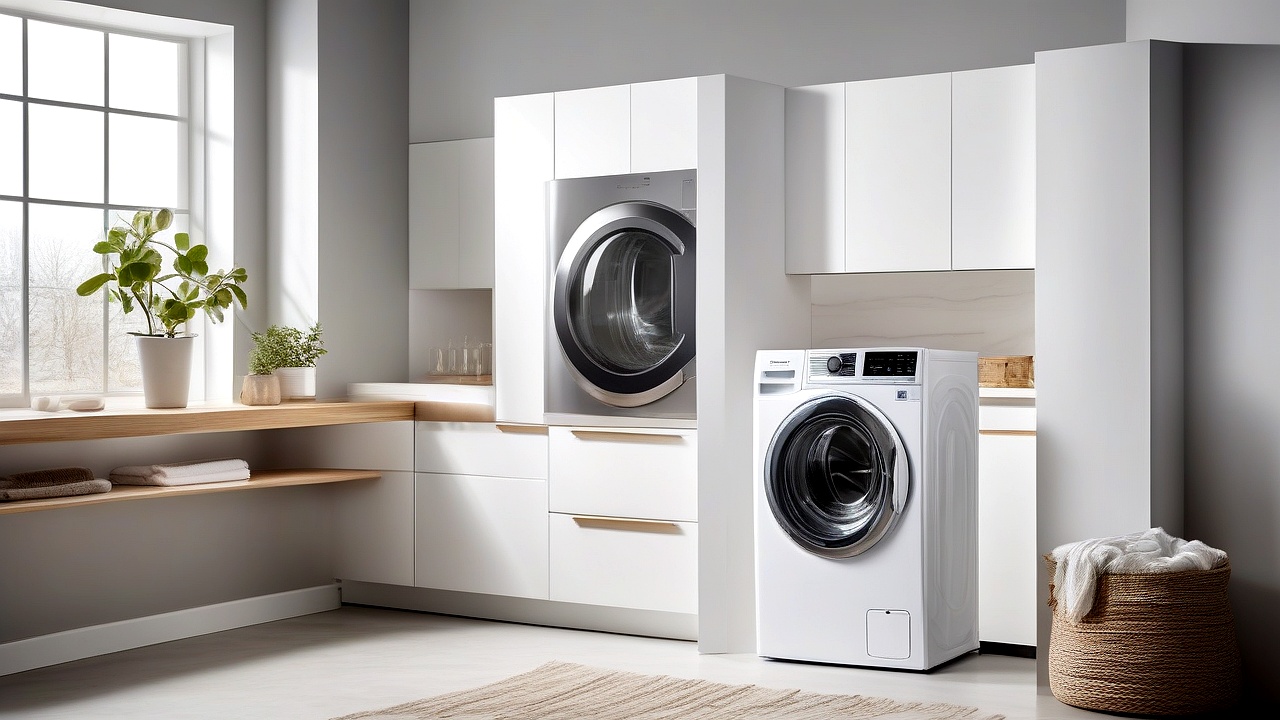
In this article, we compare the most popular washer technologies from LG, Samsung, Bosch, Whirlpool, and Haier. We also include a guide to help you determine which technology suits your needs.
What Are the Types of Washer Technology?
There are three main types of technologies commonly found in washers:
- Direct Drive Motor: In this technology, the motor is directly connected to the drum, resulting in less vibration and lower electricity use.
- Inverter Compressor: Inverter compressors, used in refrigerators and washers, reduce power consumption and last longer.
- Smart Sensing Technology: These washers have sensors that automatically adjust the washing cycle based on the weight of the clothes and the type of dirt.
- Bubble Technology: This technology mixes air with water to create bubbles, which helps remove dirt more quickly.
Washer Technology Comparison of Top Brands
1. LG Washer Technology: Direct Drive Motor and ThinQ
LG uses Direct Drive Motor technology in their washers, an advanced version of the Direct Drive Motor. The advantages of this motor include:
- Low Vibration and Noise: As a direct drive, vibration is minimal.
- Power Saving: This motor consumes about 30% less power than a normal motor.
- Durability: With no belts or pulleys, wear is reduced.
- Smart Features: LG’s ThinQ technology makes the washer smarter. For example, you can start the washer via a mobile app, monitor the washing cycle, and even control it with voice commands.
Example: The LG F4WV908S3E model features a Direct Drive Motor and ThinQ, lasting up to 20,000 hours.
2. Samsung Washer Technology: Ecobubble and Digital Inverter
Samsung uses two key technologies in their washers:
- Ecobubble: This technology mixes air with water to create bubbles, which quickly dissolve detergent and help lift dirt. The result is better cleaning in less time and with less water.
- Digital Inverter: Samsung’s Digital Inverter motor is based on inverter technology, reducing power consumption and lasting longer. The motor can last up to about 10 years.
- SmartThings App: The washer can be controlled via Samsung’s SmartThings app, allowing you to start a cycle, check status, and more.
Example: The Samsung WW90T554DTW model features Ecobubble and Digital Inverter technology and remains functional even after about 6,000 washing cycles.
3. Bosch Washer Technology: EcoSilence Motor and i-DOS
Bosch uses the EcoSilence Motor in their washers, which is a direct drive motor. The advantages of this motor include:
- Low Noise and Vibration: The EcoSilence Motor runs almost silently, making it ideal for nighttime washing.
- Power Saving: This motor consumes about 50% less power than normal motors.
- Durability: Bosch motors last around 15 years.
- i-DOS: Bosch’s i-DOS technology automatically determines the amount of detergent and liquid, preventing overdosing or underdosing.
Example: The Bosch WAW286H0IN model features the EcoSilence Motor and i-DOS technology, lasting up to 15,000 hours.
4. Whirlpool Washer Technology: 6th Sense & ZPF Technology
Whirlpool uses 6th Sense and ZPF (Zero Pressure Fill) technology in their washers:
- 6th Sense: This technology includes sensors that automatically adjust the washing cycle by detecting the weight of the clothes and the type of dirt. This reduces electricity and water waste.
- ZPF (Zero Pressure Fill): This technology allows the washer to measure water pressure and take only the required amount of water, reducing water waste.
- PowerClean Motor: Whirlpool’s PowerClean Motor is powerful and durable, lasting up to 10 years.
Example: The Whirlpool WHITEMAGIC ELITE 8.5 Kg model features 6th Sense and ZPF technology and remains functional even after about 12,000 washing cycles.
5. Haier Washer Technology: HydraIntelliQube and SmartMotion
Haier uses HydraIntelliQube and SmartMotion technology in their washers:
- HydraIntelliQube: This technology includes special cubes inside the washer that control water flow, resulting in better cleaning.
- SmartMotion: This technology rotates the washer drum in different directions, improving cleaning and reducing vibration.
- Smart Diagnosis: Haier’s Smart Diagnosis feature automatically detects and notifies the user of any issues with the washer.
Example: The Haier HWM120-1459S model features HydraIntelliQube and SmartMotion technology and remains functional even after about 10,000 washing cycles.
Which Technology Is Best for You?
Now the question is, which of the above technologies will work best for you? It depends on your needs and budget. Below is a comparison table:
| Brand | Major Technologies | Power Saving | Sound and Vibration | Sustainability | Smart Features | Price Range (USD) |
|---|---|---|---|---|---|---|
| LG | Direct Drive Motor, ThinQ | 30% less | Very low | 20,000 hours | Yes (ThinQ App) | $500 – $1,400 |
| Samsung | Ecobubble, Digital Inverter | 25% less | Low | 10 years | Yes (SmartThings app) | $450 – $1,300 |
| Bosch | EcoSilence Motor, i-DOS | 50% less | Very low | 15 years | Yes (Bosch Home Connect App) | $550 – $1,500 |
| Whirlpool | 6th Sense, ZPF | 20% less | Low | 10 years | No | $400 – $1,100 |
| Haier | HydraIntelliQube, SmartMotion | 35% less | Very low | 10 years | Yes (Haier app) | $350 – $900 |
Which Technology Is Suitable for Whom?
- Direct Drive Motor (LG): Ideal for those who want a smart washer and to save electricity.
- Ecobubble (Samsung): Perfect for those who want faster washing and better cleaning with less water.
- EcoSilence Motor (Bosch): Best for those who want silent washing and a long-lasting washer.
- 6th Sense (Whirlpool): Great for those who want to reduce energy and water waste.
- HydraIntelliQube (Haier): Ideal for those who want special technology for better cleaning.
Things to Consider Before Buying a Washer
There are several important factors to consider before buying a washer, not just the brand or technology. Choosing the wrong model can increase your electricity and water bills and even damage your clothes. Let’s explore what to prioritize when selecting a washer.
1. Selecting the Right Washer Capacity
It’s important to choose the washer capacity based on your family size. Typically:
- For 1-2 people: A 6-8 kg capacity is sufficient.
- For 3-4 people: A 9-10 kg capacity is ideal.
- For 5+ people: A 11-12 kg or larger capacity may be needed.
While a higher capacity allows you to wash more clothes at once, it also increases electricity and water consumption. Conversely, a very low capacity means you’ll need to run multiple loads, wasting time and energy. Choose the right size based on your family’s needs.
2. Considering Electricity and Water Costs
A washer’s electricity and water consumption depends on its technology, wattage, and efficiency. Key points to consider:
- Energy Star Certification: Choose washers with Energy Star certification. They consume 20-30% less electricity than standard models.
- Water Efficiency: Check how many liters of water are used per wash. Most washers use 50-70 liters, but technologies like Ecobubble or Direct Drive Motor can reduce this further.
- Inverter Compressor: Inverter compressor washers are energy-efficient and long-lasting, such as LG’s Direct Drive Motor or Samsung’s Digital Inverter.
Consider electricity and water costs to determine which model will be most cost-effective for you. This will have a significant impact on your budget in the long run.
3. Noise Level and Vibration of the Washer
It’s important to consider the noise level (decibels) and vibration of the washer, especially if you live in a city apartment. Typically:
- Spin Cycle Noise: Should be between 50-70 decibels.
- Vibration: Less vibration keeps the washer stable and extends its lifespan.
High noise levels and excessive vibration can shorten the washer’s life and disturb neighbors. Choose a model with low noise levels, such as Bosch’s EcoSilence Motor or LG’s Direct Drive Motor.
4. Washer Warranty and After-Sales Service
Before buying a washer, review its warranty policy carefully. Typically:
- Standard Warranty: Can be up to 1-2 years.
- Extended Warranty: Some brands offer an extended warranty of 5-10 years for an additional fee.
- After-Sales Service: Check the brand’s service center locations, repair times, and customer support.
For example, some models from Haier or Whirlpool come with long-term warranties and fast service support. Check the brand’s service network before purchasing.
5. Additional Features and User-Friendly Interface
Modern washers come with various additional features that make them easier and more efficient to use. For example:
- Smart Features: Wi-Fi, app control (like LG ThinQ or Samsung SmartThings).
- Auto Detergent Dispenser: Such as Bosch’s i-DOS, which automatically determines the amount of detergent.
- Self-Cleaning Function: Helps keep the inside of the washer clean.
- Delay Start & Child Lock: For timing and child safety.
These features enhance the washer’s usability. However, if extra features significantly increase the price, choose based on your actual needs.
Mistakes to Avoid When Buying a Washer
Many people make common mistakes when buying washers, which can cause problems later. For example:
- Buying a washer with excessive capacity: Suitable for large families but unnecessary for small families.
- Choosing cheaper brands: Cheaper models may lead to higher electricity and water bills in the long run.
- Ignoring warranty and service support: Many people overlook these factors, leading to trouble later.
- Not considering the environmental impact: Some washers use excessive water and electricity, which harms the environment. Choose eco-friendly models.
Conclusion
Before buying a washer, it’s important to consider not just the brand or price but also its technology, electricity and water consumption, noise level, warranty, and additional features. Choose the right capacity for your family’s needs and opt for Energy Star certified models to save on electricity and water costs in the long run.
Also, select washers with low noise levels and long-lasting inverter compressors. Review the warranty and after-sales service policies so you can get a quick solution if issues arise in the future.
Finally, choose additional features based on your needs. Don’t overpay for features you won’t use. Remember, a good washer not only cleans clothes but also saves you time, energy, and money. Make the right decision and select a durable, effective washer.

About the Author
Hi I am an Engineer I have passed my diploma in Engineering in 2007. Academically I have studied about home appliances and various motors and machineries. In 2012 I have started my blogging and learned a lot of things about home appliances especially washing appliances, washing and cleaning related products, and eequipments. In 2019 I have started my blog https://appliancesky.com to provide my research and experience with my fan and followers.