How do Temperature Regulations and Sensors work inside the washing machine? A complete guide
Introduction: Why is washing machine temperature control important?
Washing machines are an important appliance in our daily life. They not only clean clothes, but also regulate the right temperature for different types of fabrics so that the clothes are not damaged and cleaning is also effective. But have you ever wondered how the temperature inside this machine is controlled? How do the sensors work, and how is the temperature properly maintained during the wash cycle?
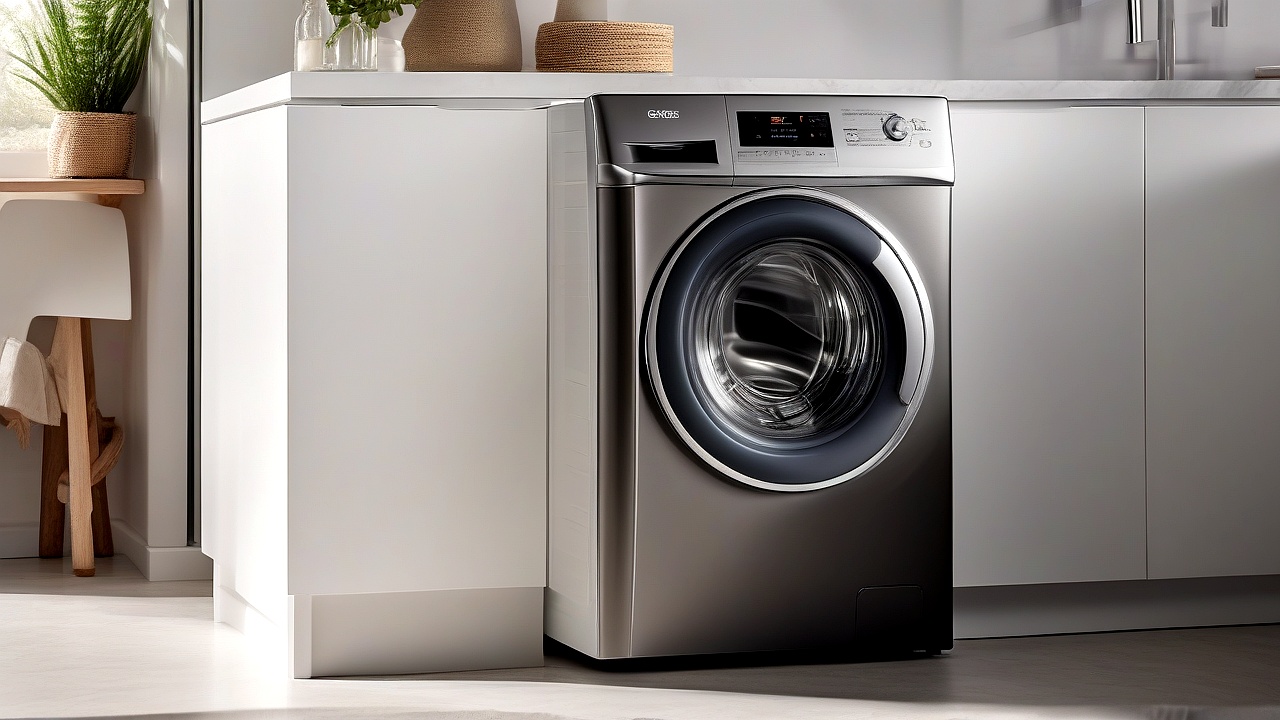
In this article, we will discuss in detail the functioning of temperature regulation and sensors inside the washing machine. Learn how sensors measure temperature, how washers control temperature, and how different types of sensors work together to make the entire process smoother.
Key Components of Washing Machine Temperature Control
Several important components work together to control the temperature of the washing machine. Chief among them are:
- Water Heater: It is essentially an electric heating element that heats water. Typically, the power ranges from 300W to 2000W.
- Thermostat: It controls the temperature. When the water temperature rises above the specified setting, the thermostat turns off the heating element.
- Temperature Sensors: These are typically thermistor or thermocouple sensors that measure the actual water temperature and send a signal to the control system.
- Control Board: It analyzes the information received from the sensors and sends instructions to turn the heating element on or off.
- Water Inlet Valve: It controls the amount of water entering and the temperature of that water.
How does a temperature sensor work?
Two types of temperature sensors are commonly used in washing machines:
1. Thermistor
A thermistor is a sensor that changes its resistance as the temperature changes. There are two types of thermistors:
- NTC (Negative Temperature Coefficient) Thermistor: Resistance decreases as temperature increases. This type of thermistor is commonly used in washing machines.
- PTC (Positive Temperature Coefficient) Thermistor: Resistance increases as temperature increases.
The control board monitors the thermistor’s resistance change to determine the actual water temperature. For example, if the thermistor resistance decreases from 10KΩ to 5KΩ, the control board understands that the water temperature has increased.
2. Thermocouple
A thermocouple is a sensor that generates a voltage from the temperature difference across two metals. It is used for high-temperature measurement. However, thermistors are commonly used in washing machines because they are cheaper and easier to install.
Step by step washing machine temperature control process
Now we will see how the entire process of temperature control inside the washing machine works:
Step 1: Start the wash cycle and enter the water
When the user turns on the washing machine and sets a specific temperature (such as 40°C, 60°C, or 90°C), the control board first opens the Water Inlet Valve. Water begins to enter, and the sensors measure the initial water temperature.
Step 2: Measure water temperature and collect data from sensors
As soon as the water enters, the Temperature Sensor (thermistor) starts measuring the water temperature. The sensor reports the actual temperature to the control board by changing its resistance. For example, if the sensor reports the water temperature as 25°C and the user has set it to 40°C, the control board instructs the Water Heater to turn on.
Step 3: Turn on the heating element and raise the temperature
When the control board detects that the water temperature is lower than the set point based on the sensor’s information, it turns on the Heating Element. This heating element is usually made of stainless steel and helps heat the water quickly.
At this time, the sensors continuously monitor the temperature. When the water temperature approaches the set point, the sensor sends a signal to the control board.
Step 4: Introduction of Thermostat and Temperature Control
Washing machines have a Thermostat that acts as an additional layer of temperature control. When the water temperature exceeds the set point, the thermostat turns off the heating element. This prevents overheating and reduces energy waste.
Thermostats can be of two types:
- Mechanical Thermostat: This is an older technology where a bimetallic strip bends as the temperature changes and breaks the circuit.
- Electronic Thermostat: It works based on digital information from sensors and provides more accurate control.
Step 5: Keep the temperature stable and complete the wash cycle
When the water temperature reaches the set point, the sensors inform the control board. The control board then turns off the heating element, and the wash cycle continues. If the water temperature drops again (e.g., due to new water entering), the sensors send a signal to the control board, and the heating element turns on again.
This entire process repeats until the wash cycle is completed.
Differences in temperature control in different types of washing machines
Not all washing machines regulate temperature in the same way. Different types of washing machines use different technologies. Let’s take a look at some common types of washing machine temperature control systems:
1. Front-Loading Washing Machine
Front-loading washing machines are generally more energy-efficient and have better temperature control systems. These machines typically:
- Use advanced sensors that can measure temperature more accurately.
- Use electronic thermostats that respond quickly.
- Have more powerful heating elements (typically 1500W to 2000W).
Front-loading machines generally use less water and control temperature more effectively.
2. Top-Loading Washing Machine
Top-loading washing machines are generally older technology, and their temperature control systems are relatively less advanced. On these machines:
- Thermistors are used to measure temperature.
- Mechanical thermostats are used, which are less accurate.
- Heating elements are less powerful (typically 300W to 1000W).
However, in recent times, advanced sensors and electronic control systems are also being added to top-loading machines.
3. Inverter Washing Machine
Inverter washing machines use inverter technology that controls the power of the motor and heating element. On these machines:
- Temperature control is more precise.
- Energy waste is reduced.
- Sensors respond faster.
Inverter washing machines are generally more expensive but are energy-efficient in the long run.
Importance of sensors in temperature control and troubleshooting
Sensors play a critical role in controlling the temperature inside the washing machine. If the sensors do not work properly, the entire system of the washing machine can fail. For example, if the sensors detect the wrong temperature, the heating element may overheat, or the water may remain cold. As a result, fabrics may be damaged instead of being cleaned. Additionally, the washing machine’s energy consumption increases if the thermostat is not working properly. So it is important to maintain the sensors and address issues quickly.
Problem 1: Sensor not working or giving incorrect readings
Cause: The sensor may be damaged or disconnected. Sometimes, dirt or water accumulation inside the washing machine can interfere with the sensor’s connection.
Solution:
- First, turn off the power to the washing machine and unplug it.
- Locate the sensor (usually near the heating element).
- Check the sensor’s wires. If any wire is loose, reconnect it.
- If the sensor is damaged, a new sensor must be installed. Depending on the sensor model, you can buy spare parts online or from local electronics stores.
- Clean around the sensor so that no dirt or water accumulates.
Problem 2: Thermostat not working
Cause: The thermostat may be outdated, or its setting may have changed. Often, overheating reduces the thermostat’s efficiency.
Solution:
- Locate the thermostat (usually near the heating element).
- Check the thermostat’s setting. If it is not set correctly, adjust it again.
- If the thermostat is old, install a new one.
- Check the thermostat wires. If any wire is damaged, replace it.
Problem 3: Disconnection between sensor and thermostat
Cause: Excessive vibration, water vapor, or prolonged use inside the washing machine can loosen the sensor and thermostat wires.
Solution:
- Turn off the power to the washing machine and unplug it.
- Check the sensor and thermostat wiring. If any wires are loose, reconnect them.
- If the wires are damaged, install new wires.
- Tighten the connections to prevent future loosening.
Tips for Replacing Washing Machine Sensors and Thermostats
If the sensor or thermostat is completely damaged, a new part may be required. Here are some important tips:
- Choosing the right model: Check the model number of the washing machine before buying the sensor or thermostat. Find spare parts by model online or at a local store.
- Local store vs. online: Buying spare parts from a local electronics store is faster, but online options can be cheaper.
- Installation: Be careful when installing a new sensor or thermostat. If you cannot do it yourself, seek the help of an experienced technician.
- Warranty Check: Many washing machines have a warranty on spare parts. Please read the warranty terms before purchasing.
How to care for washing machine sensors and thermostats
Follow these guidelines to extend the life of the washing machine sensor and thermostat:
- Regular Cleaning: Remove dirt, water, or other residue that has accumulated inside the washing machine. Keep the area around the sensor clean.
- Avoid Overheating: Clean regularly and avoid overloading the washing machine to prevent overheating.
- Use the Correct Detergent: Do not use detergents that create excessive foam. This may affect the sensor.
- Regular Maintenance: Clean the inside of the washing machine and check the sensors every six months.
Common questions about washing machine sensors and thermostats
Question 1: Can the washing machine be damaged if the sensor does not work?
Yes, if the sensor does not work, the heating element of the washing machine may overheat, causing damage to the machine. There is even a possibility of fire. So sensor problems should be addressed quickly.
Question 2: Should the thermostat be replaced when it is old?
Yes, if the thermostat is old, it should be replaced. Old thermostats may not work properly, causing problems with washing machine temperature control. Installing a new thermostat improves the efficiency of the washing machine.
Question 3: How much does sensor replacement cost?
Sensor replacement cost depends on the sensor model and brand. Generally, the price of a sensor can be between $10 USD to $40 USD.
Conclusion
The role of sensors and thermostats is important for controlling the temperature inside the washing machine. If these two components do not work properly, the washing machine’s performance will suffer, and it may even be damaged. So maintain sensors and thermostats regularly and address issues quickly.
If the sensor or thermostat is damaged, get the correct information about the model and spare parts before installing a new part. Spare parts can be purchased online or from local stores. But if you cannot replace it yourself, take the help of an experienced technician.
Perform regular maintenance to extend the life of the washing machine and keep it working properly. Keep the area around the sensor clean, avoid overheating, and use the correct detergent. Also, clean the inside of the washing machine every six months.
If you follow this guide, your washing machine will work well for a long time and will not have any problems with temperature control. So check your washing machine sensor and thermostat today without delay and replace if necessary.

About the Author
Hi I am an Engineer I have passed my diploma in Engineering in 2007. Academically I have studied about home appliances and various motors and machineries. In 2012 I have started my blogging and learned a lot of things about home appliances especially washing appliances, washing and cleaning related products, and eequipments. In 2019 I have started my blog https://appliancesky.com to provide my research and experience with my fan and followers.