Compact vs Full-Size Range Hoods: Which One Saves More Space Without Sacrificing Performance?
Why Range Hood Size Matters in a Modern Kitchen
The size of the range hood has a significant influence on the layout and design of a kitchen. Although compact models are well-suited for small kitchens, full-size units can control more smoke and grease due to their greater suction power and coverage. So it is important to choose the right range hood based on the size of your kitchen, cooking style and budget.
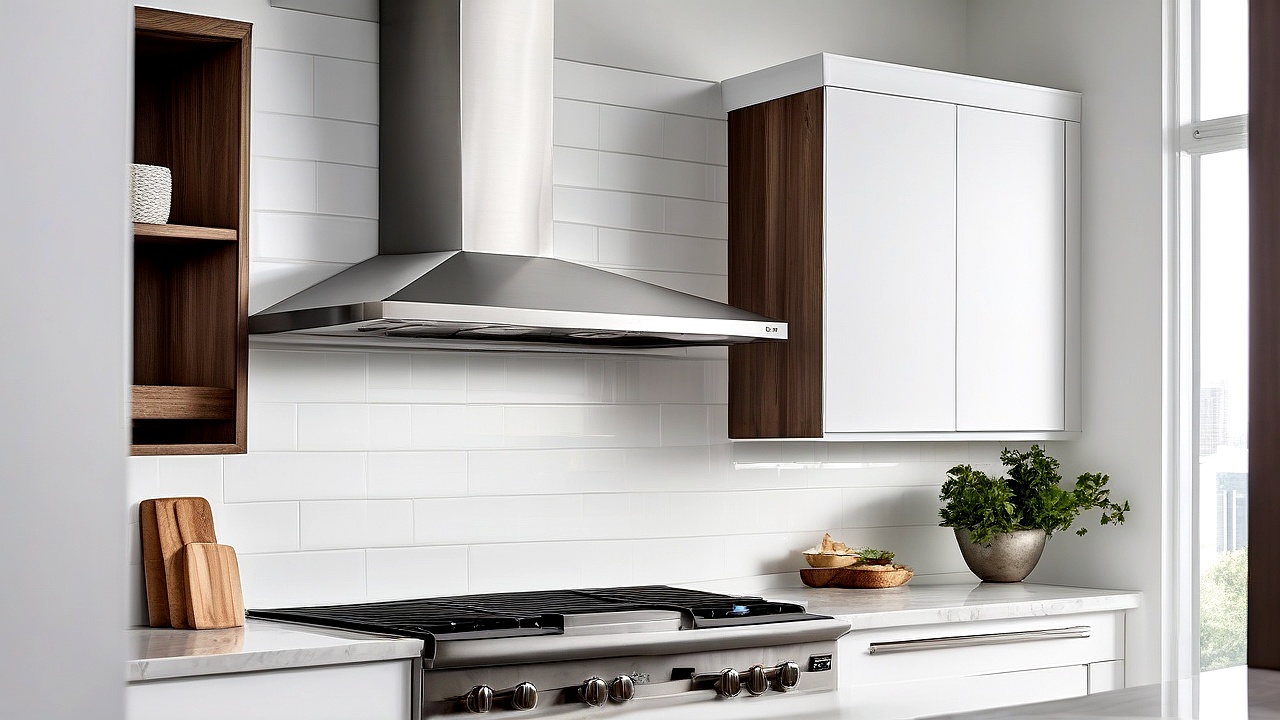
In this article we will discuss in detail the difference between compact and full-size range hoods, their pros & cons, installation guide, maintenance tips and which one will work best for you. Let’s get started!
Compact Range Hoods: Space-Saving Champions with Smart Features
Compact range hoods are mainly designed for small kitchens or apartments. Their widths typically range from 24″ to 30″, which is much smaller than traditional full-size models.
Key Benefits of Compact Range Hoods
- Space Efficiency: Can be installed as wall-mounted or under-cabinet models, which frees up extra space in the kitchen.
- Affordability: Ideal for budget-conscious buyers due to lower prices than full-size models.
- Easy Installation: Compact models are suitable for DIY installation due to their lightweight.
- Modern Aesthetics: Sleek design and LED lighting upgrade the look of the kitchen.
- Energy Efficiency: Lower electricity bill due to lower wattage usage.
Common Types of Compact Range Hoods
- Under-Cabinet Range Hoods: Installed under kitchen overhead cabinets. Usually 24″ to 30″ wide.
- Wall-Mounted Range Hoods: Mounted directly to the wall. Compact models take up less space than traditional full-size models.
- Ductless (Recirculating) Models: Being ventless does not require a duct for installation. Perfect for compact kitchens
- Convertible Models: Can be used in both ductless and ducted mode. Many people like it because of its flexibility.
Best Use Cases for Compact Range Hoods
- Ideal for studio apartment or small kitchen.
- Sufficient for light cooking (e.g., boiling pasta, stir-frying).
- Sleek design compact models can be chosen if you want to increase the aesthetic appeal of the kitchen.
- For those who do not have a duct system in the kitchen, ductless models are suitable.
Full-Size Range Hoods: Maximum Power for Heavy Cooking
Full-size range hoods are typically 36″ to 48″ wide. Because of their suction power and coverage, they can control more smoke, steam and grease. They are more suitable for heavy cooking (e.g., deep-frying, grilling).
Key Benefits of Full-Size Range Hoods
- Superior Suction Power: Can capture more smoke and grease due to high CFM (Cubic Feet per Minute).
- Better Coverage: Greater coverage over the entire cooktop leaves no empty space.
- Durability: Made of heavy-duty materials to last longer.
- Advanced Features: Advanced features like touch controls, multiple fan speeds, auto-clean functions are available.
- Professional-Grade Performance: Gives commercial kitchen-like performance.
Common Types of Full-Size Range Hoods
- Island Range Hoods: Installed above a kitchen island. Designed with higher suction power to cover the entire kitchen.
- Chimney Range Hoods: Tall and sleek design makes them ideal for modern kitchens.
- Downdraft Range Hoods: Absorbs smoke and steam from inside the cooktop. Installation does not require ductwork.
- Professional Range Hoods: Designed for commercial kitchens. Offer higher CFM for heavy cooking.
Best Use Cases for Full-Size Range Hoods
- Ideal for large kitchen or open-concept kitchen.
- Suitable for heavy cooking (e.g., deep-frying, grilling).
- Suitable for professional chefs or those who spend a lot of time in the kitchen.
- Ducted models can be installed if the kitchen has a duct system.
Compact vs Full-Size Range Hoods: Side-by-Side Comparison
| Feature | Compact Range Hoods | Full-Size Range Hoods |
|---|---|---|
| Size (Width) | 24″ – 30″ | 36″ – 48″ |
| CFM (Suction Power) | 200 – 400 CFM | 600 – 1200+ CFM |
| Installation Type | Under-cabinet, wall-mounted, ductless | Island, chimney, downdraft, professional |
| Price Range | $100 – $500 | $500 – $2000+ |
| Best For | Small kitchen, light cooking, budget-friendly | Large kitchen, heavy cooking, professional use |
| Noise Level | Quieter (40 – 60 dB) | Louder (60 – 80 dB) |
| Energy Efficiency | High (Low wattage) | Moderate (High wattage) |
| Maintenance | Easy (Smaller filters) | Moderate (Larger filters) |
How to Choose the Right Range Hood for Your Kitchen
Step 1: Assess Your Kitchen Size and Layout
Determine the size of the range hood based on the size and layout of your kitchen. Choose compact models for small kitchens and full-size models for large kitchens.
- Compact range hoods: 24″ – 30″ width
- Full-size range hoods: 36″ – 48″ width
Step 2: Determine Your Cooking Habits
Determine the suction power based on the type of cooking you do. While compact models are sufficient for light cooking, full-size models are required for heavy cooking.
- Light Cooking: Boiling pasta, stir-frying, steaming
- Medium Cooking: Frying, grilling, baking
- Heavy Cooking: Deep-frying, wok cooking, professional cooking
Step 3: Check Your Kitchen’s Ventilation System
Check if your kitchen has a duct system. Ductless models are suitable for those who do not have a duct system. Otherwise, install ducted models.
- Ducted Models: Ducts are required for ventilation. Suction power is more effective.
- Ductless Models: No duct required for ventilation. Installation is easy but suction power is low.
Step 4: Set a Budget
Range hood prices vary widely. Compact models typically range from $100 to $500, while full-size models can cost $500 to $2000+. Choose the right model based on your budget.
Step 5: Consider Additional Features
Range hoods come with some advanced features that can upgrade your kitchen experience.
- Touch Controls: For easy operation.
- Multiple Fan Speeds: To adjust suction power.
- LED Lighting: To improve kitchen lighting.
- Auto-Clean Functions: To simplify maintenance.
- Remote Control: For hands-free operation.
Installation Guide: Compact vs Full-Size Range Hoods
Compact Range Hood Installation
Compact range hoods are typically lightweight, making them suitable for DIY installation. The installation process is relatively simple.
Tools Required:
- Drill
- Screwdriver
- Measuring tape
- Level
- Duct tape
- Screws & anchors
Step-by-Step Installation Process:
- Measure and Mark: Mark the exact position of the range hood on the kitchen surface.
- Install Mounting Bracket: Install the mounting bracket for wall-mounted models.
- Attach Range Hood: Attach the range hood to the mounting bracket.
- Connect Duct (if applicable): Connect the duct to the range hood for ducted models.
- Test Operation: Turn on the range hood to ensure everything works properly.
Full-Size Range Hood Installation
Full-size range hoods are relatively heavier, making the installation process slightly more complex. Professional installation is recommended for best results.
Tools Required:
- Drill
- Screwdriver
- Measuring tape
- Level
- Duct tape
- Screws & anchors
- Jigsaw (for duct cutting)
- Stud finder
Step-by-Step Installation Process:
- Measure and Mark: Mark the exact position of the range hood on the kitchen surface.
- Locate Studs: Use a stud finder to locate the studs.
- Install Mounting Bracket: Secure the mounting bracket to the studs.
- Cut Duct Opening: Use a jigsaw to cut the duct opening.
- Attach Range Hood: Attach the range hood to the mounting bracket.
- Connect Duct: Connect the duct to the range hood.
- Seal Gaps: Seal the duct gaps with duct tape.
- Test Operation: Turn on the range hood to ensure everything works properly.
Maintenance Tips for Long-Lasting Range Hoods
Compact Range Hood Maintenance
Compact range hood maintenance is relatively simple. Regular cleaning and filter changes are sufficient. However, some key points should be kept in mind to ensure flawless performance over time.
Weekly Maintenance:
- Clean Exterior: Clean the exterior with a soft cloth and mild detergent. Be sure to remove grease buildup.
- Clean Grease Filter: Clean the grease filter with warm water and dish soap. Use a soft-bristle brush if needed.
Monthly Maintenance:
- Deep Clean: Clean the grease filter with a solution of vinegar and baking soda. This removes odors and ensures the filter is thoroughly cleaned.
- Check Ducts: Check if the ducts are blocked. If there is any obstruction, clean it out.
Every 3-6 Months:
- Replace Filters: Replace the grease filter. Most compact range hoods use disposable filters that are easy to replace.
- Check Fan Blades: Clean the fan blades. If grease or dirt has accumulated, clean it to ensure the fan operates properly.
Full-Size Range Hood Maintenance
Full-size range hood maintenance requires a more intensive routine. Regular cleaning and inspection help extend its lifespan. Additionally, their powerful fans and larger filters require extra care.
Weekly Maintenance:
- Clean Exterior: Clean the exterior with a soft cloth and mild detergent. Keep the control panel and LED display clean.
- Clean Grease Filter: Clean the grease filter with warm water and dish soap. Replace the filter if it becomes too dirty.
Monthly Maintenance:
- Deep Clean: Clean the grease filter with a solution of vinegar and baking soda. Also, clean the ducts to ensure smooth airflow.
- Check Ducts: Check if the ducts are blocked. If there is any obstruction, clean it out.
Every 3-6 Months:
- Replace Filters: Replace the grease filter. Some full-size range hoods have permanent filters that can be cleaned and reused.
- Check Fan Blades: Clean the fan blades. If grease or dirt has accumulated, clean it.
- Inspect Motor: Inspect the motor. If you notice unusual noise or vibration, have it checked. Contact a technician if needed.
Common Maintenance Mistakes to Avoid
Many people make common mistakes during range hood maintenance that reduce the appliance’s lifespan. Below are some mistakes to avoid:
- Do not use harsh chemicals: Using bleach or strong detergents can damage the range hood’s surface and filters. Always use mild detergent.
- Do not forget to replace filters: Many people forget to replace filters. Failure to do so can cause duct blockages and reduce appliance performance.
- Do not neglect duct cleaning: If ducts are not cleaned, grease can accumulate and block them. This reduces the range hood’s suction power.
- Improper installation: If the range hood is not installed properly, it may not function correctly. Follow the manufacturer’s instructions during installation.
When to Call a Professional
While most maintenance tasks can be done yourself, some situations require professional help. Below are scenarios where you should contact a professional:
- Motor Issues: If the range hood motor makes unusual noise or vibration, have it repaired by a professional.
- Electrical Problems: If the range hood does not work properly or shows electrical issues, have it repaired by a professional.
- Duct Blockage: If ducts cannot be cleaned or are severely blocked, have a professional clean them.
- Warranty Claims: If the range hood is under warranty and a problem occurs, contact the manufacturer’s authorized service center.
Conclusion
Range hoods are an important appliance for any kitchen. Whether compact or full-size, regular maintenance and proper care ensure flawless performance for years. Compact range hoods are typically suitable for small kitchens, while full-size range hoods are ideal for heavy cooking and professional use.
After selecting the right range hood for your kitchen, follow the maintenance routine. Weekly, monthly, and yearly maintenance can extend your range hood’s lifespan and keep its performance at its best.
The most important thing is not to ignore any issues that arise. If you cannot resolve them yourself, seek professional help. Also, follow the manufacturer’s instructions during installation to ensure the range hood functions properly.
In summary, choosing a good range hood is just as important as taking proper care of it. Following the tips and guidelines in this article will help your kitchen’s range hood operate reliably for a long time.

About the Author
Hi I am an Engineer I have passed my diploma in Engineering in 2007. Academically I have studied about home appliances and various motors and machineries. In 2012 I have started my blogging and learned a lot of things about home appliances especially washing appliances, washing and cleaning related products, and eequipments. In 2019 I have started my blog https://appliancesky.com to provide my research and experience with my fan and followers.