Understanding Motors and Capacitors Inside Modern Ice Makers
Why Knowing the Heart of Your Ice Maker Matters
That little ice maker hidden inside your fridge is actually made up of many sophisticated components. Motor and capacitor are the two main parts of this system that run the whole process. Without these two components, ice formation is far from possible; even a simple water pump will not work. So today we will look at how these motors and capacitors work, their different types, common problems, and troubleshooting methods.
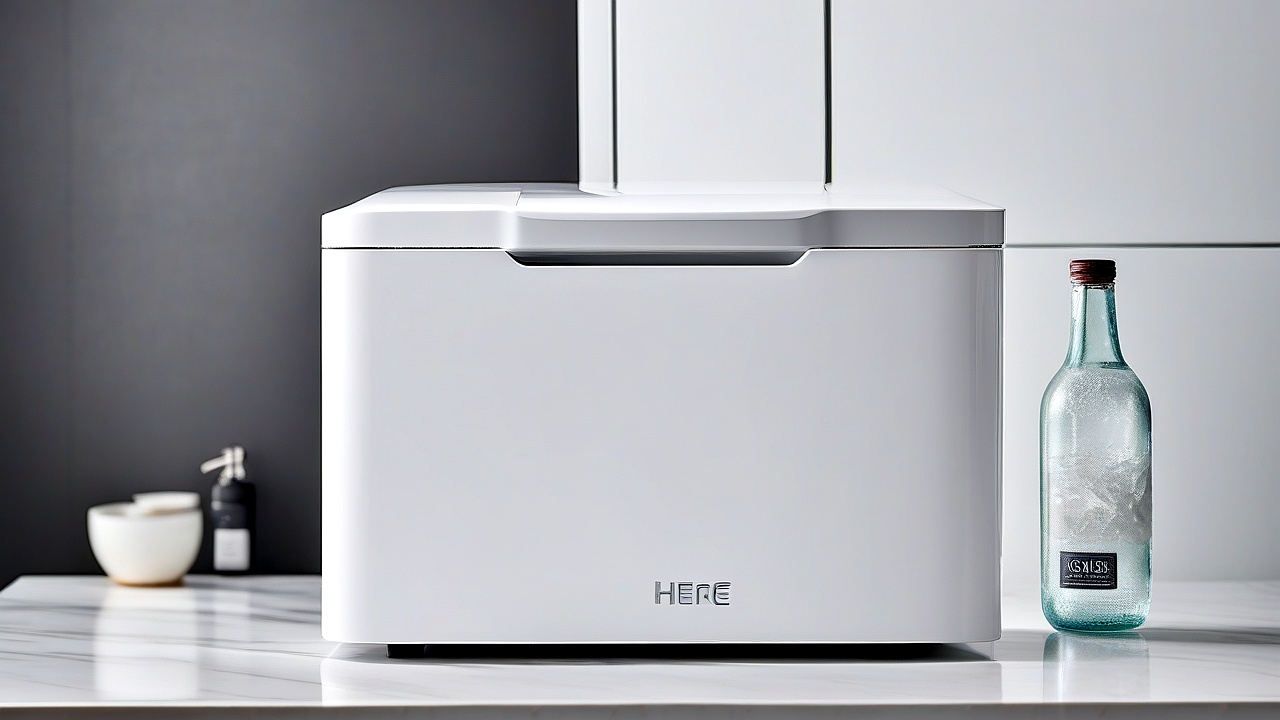
Ice Maker Motor: The Silent Workhorse
The motor of an ice maker is its heart, which keeps the whole system moving. This motor is generally of two types: Single-phase induction motor and Permanent split capacitor (PSC) motor.
How the Ice Maker Motor Operates
The function of an ice maker motor is:
- Water Pumping: When the motor starts, it sends water from the water inlet into the ice mold.
- Agitator Movement: Some ice makers have an agitator attached to the motor shaft that helps separate the ice cubes from the mold.
- Compressor Activation (Indirectly): In some advanced ice makers, the motor controls the compressor that helps cool the refrigerant.
The power rating of this motor usually ranges from 1/10 HP to 1/6 HP. A motor with more power can make more ice, but power consumption is also higher.
Common Ice Maker Motor Problems & Fixes
Some common motor problems are:
| Problem | Reason | Solution |
|---|---|---|
| Motor not starting | Power supply issue, faulty capacitor, or motor winding burnout | Check the power outlet first, then test the capacitor. If all is well, motor replacement may be required. |
| Motor is running but not making ice | Water inlet block, faulty water valve, or motor shaft problem | Check the water line, then test the water valve. If everything is fine, check the alignment of the motor shaft. |
| Motor is making excessive noise | Bearing worn out, motor mount loose, or foreign object jam | Dismantle the motor and check the bearing. If the bearing is damaged, replace it. |
Ice Maker Capacitor: The Power Booster
Capacitor is a rechargeable power storage device that provides extra power supply to the motor when needed. Ice maker capacitors are generally of two types:
- Start Capacitor: Gives extra boost when starting the motor.
- Run Capacitor: Provides continuous power supply when the motor is running.
How the Capacitor Works in an Ice Maker
The function of an ice maker capacitor is:
- When the motor starts, the capacitor gives its stored charge to the motor so that the motor can start easily.
- The capacitor provides continuous power supply while the motor is running so that the motor can run smoothly.
- If the capacity of the capacitor decreases, the motor will start slowly or will not start.
The voltage rating of the ice maker capacitor is usually 110V to 240V and the capacitance rating may be 5 µF to 50 µF.
Signs of a Faulty Ice Maker Capacitor
Some common symptoms of a capacitor are:
- Motor slow start or non-start: When the charge of the capacitor decreases, the motor starts slowly or does not start at all.
- Humming sound: A humming sound is heard when the motor starts but the motor does not start. This means that the capacitor is not able to fulfill its duty.
- Burning smell: A burning smell can occur if the capacitor is overheating. In this case, capacitor replacement should be done immediately.
- Ice maker turning on and off repeatedly: If the capacity of the capacitor decreases, the motor may turn on and off repeatedly.
Capacitor Testing & Replacement Guide
To test the capacitor, you will need:
- Multimeter
- Insulated screwdriver
Test steps are:
- First, turn off the power supply of the fridge.
- Open the ice maker panel.
- Locate the capacitor (usually near the motor).
- Place the probes of the multimeter on the terminals of the capacitor.
- If the multimeter reading is close to the capacitor’s rated capacitance, then the capacitor is fine. If the reading is very low or zero, then the capacitor should be replaced.
For Replacement:
- Remove the old capacitor.
- Match the new capacitor with the same voltage and capacitance rating.
- Install the new capacitor correctly.
- Test by turning on the power supply.
Ice Maker Motor vs. Capacitor: Key Differences
Let’s see the differences between an ice maker motor and capacitor:
| Feature | Motor | Capacitor |
|---|---|---|
| Function | Provides mechanical movement | Controls the electrical power supply |
| Power Source | Directly receives power from the power supply | Stores charge from power supply |
| Failure Symptoms | Motor not starting, excessive noise, overheating | Motor slow start, humming sound, burning smell |
| Replacement Cost | $30 USD to $80 USD | $10 USD to $30 USD |
Routine Maintenance Tips for Ice Maker Motors & Capacitors
Some routine maintenance is required to extend the life of your ice maker motor and capacitor:
- Regular Cleaning: Clean the panel and the inside of the ice maker regularly so that dust and debris do not damage the motor and capacitor.
- Water Filter Replacement: If your fridge has a water filter, replace it regularly. A dirty filter reduces water flow, causing extra stress on the motor.
- Capacitor Check: Check capacitor voltage and capacitance every 6 months. Replace immediately if any problem occurs.
- Motor Lubrication: If your ice maker motor has lubrication points, apply lubricant regularly.
- Power Supply Check: Regularly check the power outlet and wiring so that there is no loose connection or voltage fluctuation.
When to Call a Professional Technician
Although many problems can be solved by yourself, in some cases the help of a professional technician should be taken:
- If motor or capacitor replacement is required.
- If there is a problem with the wiring or control board inside the fridge.
- If any internal component of the ice maker is damaged.
- If you cannot do the troubleshooting yourself.
Buying Guide: Choosing the Right Ice Maker Motor & Capacitor
When you do ice maker motor or capacitor replacement, there are some things to keep in mind:
- Compatibility: The voltage and capacitance rating of the motor and capacitor must be matched with the fridge.
- Brand: Use original manufacturer motor and capacitor. Using third-party components may cause warranty issues.
- Warranty: Check the warranty period for motor and capacitor. The product with more warranty is more reliable.
- Price: Look more at quality than price. If you use cheap components, you may have to replace them repeatedly.
Final Thoughts: Keep Your Ice Maker Running Smoothly
An ice maker’s motor and capacitor are its backbone, which runs the whole system. Through proper maintenance and timely replacement of these two components, you can run your fridge ice maker smoothly for a long time. Follow the above guide if any problem occurs. And if you don’t get the solution, take the help of a professional technician.
Also, you can keep some extra tips in mind to increase the performance and lifespan of the ice maker:
- Regular Cleaning: Clean the interior of the ice maker thoroughly at least once a month. Removing the mineral deposits and debris accumulated during the ice formation will reduce the excess stress on the motor and capacitor.
- Water Filter Change: If your fridge has a water filter, change it regularly according to the manufacturer’s instructions. Contaminated water can damage the motor and capacitor.
- Proper Ventilation: Leave enough space behind and around the fridge for good air circulation. Due to overheating, the performance of the motor and capacitor may decrease.
If you are thinking of buying a new ice maker, then pay attention to the quality and warranty of the motor and capacitor. Some high-end fridge brands like LG, Samsung, or Whirlpool have built-in motor and capacitor warranties of up to 5 years. On the other hand, budget-friendly models have less warranty, so it is better to invest a little more for long-term reliability.
Ice Maker Maintenance Checklist (Quick Reference)
| Task | Frequency | Tools Needed |
|---|---|---|
| Cleaning inside the ice maker | per month | Mild soap, soft cloth, warm water |
| Change water filter | Every 6 months or as directed by the manufacturer | Replacement filter |
| Motor and capacitor inspection | every 3 months | Flashlight, screwdriver |
| Fridge ventilation check | every 2 months | None (visual inspection) |
| Error code check (if any) | Whenever a problem occurs | Fridge manual |
Hope by reading this article you have got a clear idea about ice maker motor and capacitor. If you have any questions, then you can tell in the comment box. And if you can’t troubleshoot by yourself, take the help of a professional technician. Because a little care and awareness will keep your fridge’s ice maker working well for years.
Conclusion
By reading this article you have come to know how the motor and capacitor of the ice maker run the entire system and why their proper maintenance is very important. The working of motor and capacitor, ways to identify problems, and the necessary steps for their maintenance are discussed in detail.
If you want to troubleshoot the ice maker yourself, follow the guides above. And if the problem seems complicated, then it is better to take the help of a professional technician. Because a little awareness and regular care will help your fridge ice maker run smoothly for a long time.
Finally, if you are thinking of buying a new ice maker, pay special attention to the quality and warranty of the motor and capacitor. Because good quality components will increase the performance and lifespan of your fridge.
If this article works for you, then definitely share it and help others to know. If you have any other questions, don’t forget to tell in the comment box. Thanks!

About the Author
Hi I am an Engineer I have passed my diploma in Engineering in 2007. Academically I have studied about home appliances and various motors and machineries. In 2012 I have started my blogging and learned a lot of things about home appliances especially washing appliances, washing and cleaning related products, and eequipments. In 2019 I have started my blog https://appliancesky.com to provide my research and experience with my fan and followers.