Ice Makers Market: Top Brand Technologies Comparison Guide
Why Ice Quality Matters in Modern Kitchens
A good quality ice maker can change your home bar or kitchen routine. Clear, slow-melting ice cubes that keep your drinks crisp and refreshing are not available in all ice makers. When you are entertaining or making a perfect iced coffee for yourself, the quality and texture of the ice becomes important.
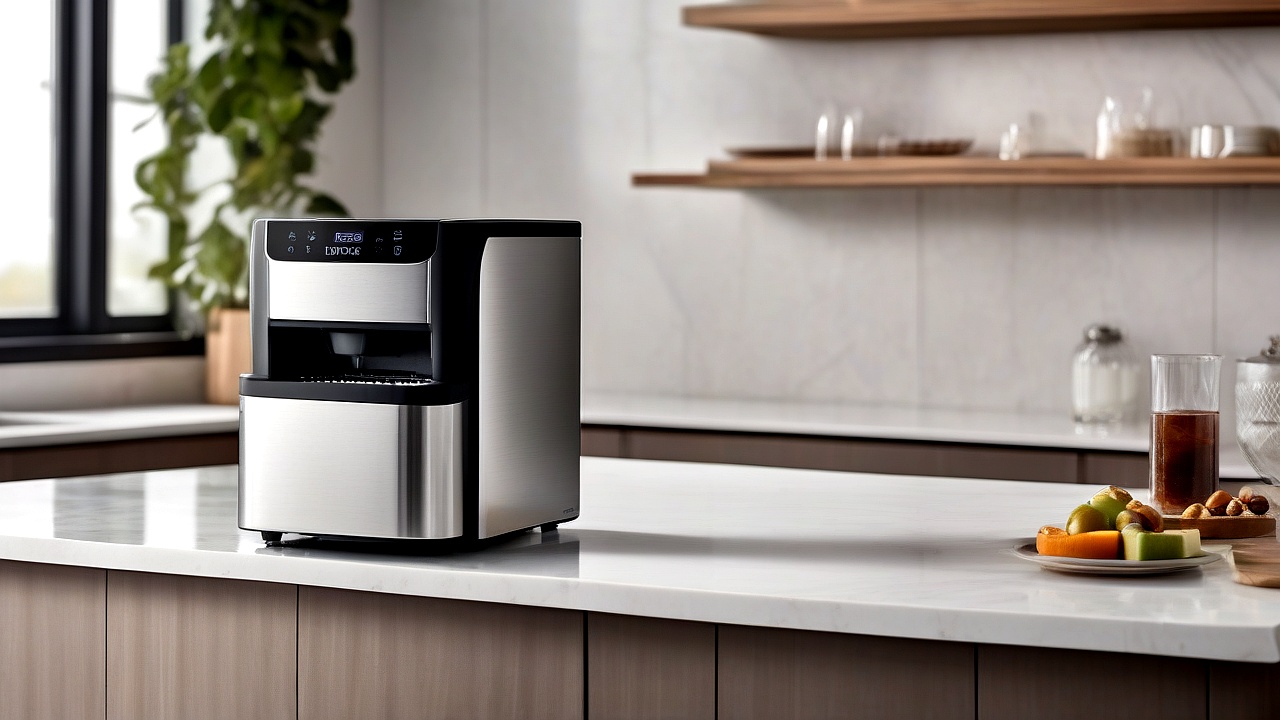
Leading brands in today’s market such as Scotsman, Manitowoc, Hoshizaki, Follett, and Ice-O-Matic have introduced their own patented technologies. In this article, we will break down the unique technology of each brand, so that you can understand which one will fit your needs.
Ice Maker Technology Breakdown by Top Brands
1. Scotsman: Smart Defrost & Water Filtration System
Scotsman uses Smart Defrost Technology in their ice makers, which reduces energy consumption and maximizes ice production time. This system automatically controls the defrost cycle, thus avoiding unnecessary power waste.
In addition, the EverClear Water Filtration System is used to ensure that the ice does not lose its taste or smell. This filtration system removes chlorine, sediment, and other impurities, so you drink clean ice.
Key Specifications:
- Ice Production Capacity: 500-1,200 lbs/24 hours
- Water Usage: 2.5-3.5 gallons per 100 lbs of ice
- Energy Efficiency: ENERGY STAR® certified models available
- Noise Level: 45-55 dB (quieter operation)
2. Manitowoc: Q-Max® & Harvest Cycle Optimization
Manitowoc’s Q-Max® Technology makes their ice makers more efficient on the market. This technology optimizes the ice harvesting cycle, allowing more ice to be produced per hour.
Also, Harvest Assist Fan is used so that the ice cubes are easily separated from the mold and production downtime is reduced.
Key Specifications:
- Ice Production Capacity: 600-2,400 lbs/24 hours
- Water Usage: 2.0-3.0 gallons per 100 lbs of ice
- Energy Efficiency: ENERGY STAR® rated models
- Noise Level: 40-50 dB (quiet operation)
3. Hoshizaki: Flash Freeze & Self-Contained Modular Design
Hoshizaki’s Flash Freeze Technology sets their ice makers apart from others. This technology uses cold air to freeze ice cubes quickly, resulting in denser and slow-melting ice.
In addition, the Self-Contained Modular Design allows their ice makers flexible installation. You can put them on the countertop if you want, or install them as built-ins.
Key Specifications:
- Ice Production Capacity: 200-1,200 lbs/24 hours
- Water Usage: 2.2-3.3 gallons per 100 lbs of ice
- Noise Level: 38-48 dB (near-silent operation)
Energy Efficiency: ENERGY STAR® certified models
4. Follett: Dual-Tank & Advanced Water Sensing
Follett’s Dual-Tank System allows their ice makers to have continuous ice production. When one tank is producing ice, another tank is doing water pre-cooling, so there is no production downtime at all.
Also, Advanced Water Sensing Technology is used so that water quality is always optimal. This system automatically monitors the water filter and gives notification of replacement as needed.
Key Specifications:
- Ice Production Capacity: 400-2,000 lbs/24 hours
- Water Usage: 2.4-3.6 gallons per 100 lbs of ice
- Energy Efficiency: ENERGY STAR® compliant
- Noise Level: 42-52 dB (low-noise operation)
5. Ice-O-Matic: Clear Ice & Energy Management System
Ice-O-Matic’s Clear Ice Technology helps their ice makers produce premium quality ice. This technology uses a slow freezing process so that there are no air bubbles inside the ice, resulting in crystal clear and slow-melting ice.
Also, Energy Management System (EMS) is used to reduce energy consumption. This system reduces power usage during peak hours and increases overall efficiency.
Key Specifications:
- Ice Production Capacity: 300-1,500 lbs/24 hours
- Water Usage: 2.3-3.4 gallons per 100 lbs of ice
- Energy Efficiency: ENERGY STAR® certified
- Noise Level: 44-54 dB (quiet operation)
Ice Maker Buying Guide: Which Technology Fits Your Needs?
For Home Use (Under 500 lbs/24 hours)
If you want to buy an ice maker for a home kitchen, then Hoshizaki KE-200MA or Scotsman CU1512 are good options. The Hoshizaki KE-200MA’s Flash Freeze Technology will give you dense, slow-melting ice, and the Scotsman CU1512’s Smart Defrost system will help reduce your electricity bill.
Recommended Models:
- Hoshizaki KE-200MA: 200 lbs/24 hours, 38 dB noise, ENERGY STAR®
- Scotsman CU1512: 150 lbs/24 hours, 45 dB noise, EverClear Filtration
For Small Business (500-1,200 lbs/24 hours)
For a small office, café, or home bar, the Manitowoc NEO-100 or the Follett E12SC are both good choices. The Manitowoc NEO-100’s Q-Max® Technology will help produce more ice, and the Follett E12SC’s Dual-Tank system will allow for continuous production.
Recommended Models:
- Manitowoc NEO-100: 1,000 lbs/24 hours, 40 dB noise, Harvest Assist Fan
- Follett E12SC: 1,200 lbs/24 hours, 42 dB noise, Advanced Water Sensing
For Large Commercial Use (1,200+ lbs/24 hours)
For large restaurants, hotels, or catering businesses, the Ice-O-Matic KM-300 or Scotsman SCE1200 are the best options. The Clear Ice Technology of the Ice-O-Matic KM-300 will help produce premium quality ice, and the high capacity of the Scotsman SCE1200 will meet all your needs.
Recommended Models:
- Ice-O-Matic KM-300: 3,000 lbs/24 hours, 44 dB noise, Clear Ice Technology
- Scotsman SCE1200: 2,400 lbs/24 hours, 50 dB noise, Smart Defrost
Energy Efficiency & Cost Comparison
To understand the energy efficiency of an ice maker, you need to look at Energy Factor (EF) and Coefficient of Performance (COP). Typically, ENERGY STAR® certified models consume 10-15% less energy than others.
The energy efficiency of different brands is compared in the table below:
| Brand & Model | Daily Production (lbs) | Energy Factor (EF) | Annual Energy Cost (USD) | ENERGY STAR® Certified |
|---|---|---|---|---|
| Hoshizaki KE-200MA | 200 | 1.8 | $120 | Yes |
| Scotsman CU1512 | 150 | 1.6 | $140 | Yes |
| Manitowoc NEO-100 | 1,000 | 2.1 | $350 | Yes |
| Follett E12SC | 1,200 | 2.3 | $400 | Yes |
| Ice-O-Matic KM-300 | 3,000 | $800 | Yes |
Note: Annual energy cost is calculated at $0.12 per kWh. Actual cost will depend on the electricity rate of different regions.
Noise Level Comparison: Which Brand is the Quietest?
The noise level of the ice maker affects the environment of your kitchen or business space. In a home kitchen where there is more open space, quiet operation is important.
The noise level of different brands is compared in the table below:
| Brand & Model | Noise Level (dB) | Installation Type | Best For |
|---|---|---|---|
| Hoshizaki KE-200MA | 38 | Countertop/Built-in | Home Kitchen |
| Scotsman CU1512 | 45 | Countertop | Home Bar |
| Manitowoc NEO-100 | 40 | Floor-standing | Small Café |
| Follett E12SC | 42 | Floor-standing | Office Break Room |
| Ice-O-Matic KM-300 | 44 | Floor-standing | Restaurant |
Noise Level Guide:
- 30-40 dB: Near silent (cannot be heard while sleeping)
- 40-50 dB: Quiet (equal to conversation)
- 50-60 dB: Moderate (similar to background noise)
- 60+ dB: Loud (may disturb conversation)
Maintenance Tips for Long-Lasting Ice Maker Performance
Regular maintenance is important to extend the life of an ice maker. Below are some key maintenance tips that if followed will keep your ice maker running well for years and avoid repeated repair costs.
Weekly Maintenance Routine
- Ice Bin Cleaning: Clean the ice bin at least once every week. Use warm water and mild detergent to prevent bacteria and mold growth. Then dry completely. Brands like Follett and Scotsman have an antimicrobial coating on the inside of the ice bin, but regular cleaning is still necessary.
- Water Filter Replacement: If your ice maker has a water filter, replace it every 6 months. Follett and Scotsman’s Advanced Water Sensing system will provide automatic notification. But if the water hardness is high in your area, then it is better to change the filter every 3-4 months.
- Air Filter Cleaning: Manitowoc and Hoshizaki models have an air filter. Clean or wash with vacuum once a month. If these filters are not taken care of, excess pressure falls on the condenser and ice production decreases.
Monthly Maintenance Routine
- Condenser Coil Cleaning: If dust accumulates in the condenser coil, ice production decreases and energy consumption increases. Clean with soft brush or vacuum. Especially in summer, it should be cleaned more because there is more dust and pollen during this time.
- Water Line Inspection: Check for any leaks. If there is a crack or loose connection in the water line, repair it immediately. You can use a simple moisture sensor for leak detection.
- Ice Maker Exterior Cleaning: Wipe down the exterior of the ice maker regularly. Use disinfectant spray especially where users touch a lot. This reduces the spread of germs and bacteria.
Quarterly Maintenance Routine
These routines are important but often people skip them. So do these maintenance every three months:
- Water Pump & Dispenser Check: If the water pump is clogged or there is any blockage in the dispenser, then the ice maker will not work properly. Check for debris inside the pump and clean the nozzles of the dispenser.
- Thermostat Calibration: If the thermostat is not properly calibrated, the ice maker will consume more energy and the ice quality will be worse. Check the temperature with a digital thermometer and calibrate if necessary.
- Gasket & Seal Inspection: Check the door gasket and other seals of the ice maker. If there is any crack or tear, replace it immediately. If the seals are not good, there is energy loss and the ice maker makes more noise.
Annual Professional Servicing
After following all the maintenance routines, have the ice maker checked by a professional technician at least once a year. With professional servicing you can be sure that:
- All internal components are OK.
- Refrigerant level is correct.
- Are the electrical connections secure?
- All sensors and controls are working properly.
Also, if it is within the warranty period, it is convenient to make a warranty claim by doing professional servicing.
Common Mistakes to Avoid
Many people make some common mistakes during ice maker maintenance which actually reduces the lifespan of the ice maker. Avoid those mistakes:
- Overloading the Ice Bin: Storing more ice than the capacity of the ice bin puts extra pressure on the compressor and causes it to wear out quickly.
- Using Harsh Chemicals: Do not use bleach or strong detergent when cleaning the ice bin. These can damage the internal parts of the ice maker and spoil the taste of the ice.
- Ignoring Unusual Noises: If the ice maker makes unusual noises such as knocking, grinding, or squeaking, check it immediately. These noises may indicate problems with the compressor or fan motor.
- Not Following Manufacturer Guidelines: Each brand of ice maker has different guidelines for maintenance. If you do not follow those guidelines, the warranty may become void.
Troubleshooting Common Ice Maker Issues
Ice makers have some common issues that can occur even with regular maintenance. If you know how to solve those issues, you can solve many problems yourself.
1. Ice Maker Not Producing Ice
There can be many reasons behind this problem. The most common reasons are:
- Water Supply Issue: Check if there is any blockage in the water line. If the water pressure is low, the ice maker will not work properly.
- Faulty Water Valve: If the water valve is not working, water will not enter the ice maker. You can check the valve or take professional help.
- Clogged Water Filter: If the water filter is completely clogged, then water cannot enter. Change filter.
- Thermostat Issue: If the thermostat is set too cold, the ice maker may stop making ice. Reset or check the thermostat.
2. Ice Tastes or Smells Bad
The common reasons behind the taste or smell of ice are:
- Dirty Water Filter: An old or clogged water filter spoils the taste of ice. Change filter.
- Mold or Bacteria Growth: Mold or bacteria can grow if the ice bin is not cleaned regularly. Clean the ice bin and use disinfectant.
- Old Ice: If ice has been stored in the ice bin for a long time, it can melt and lose its flavor. Empty the ice bin regularly.
- Contaminated Water Supply: If there is a contaminant in your water supply, it can turn into ice. Use a water filter or do a water test.
3. Ice Maker Making Loud Noises
If the ice maker is making unusually loud noises, there may be some common reasons behind it:
- Loose or Worn-Out Parts: If the fan motor, compressor, or other moving parts become loose or worn out, unusual noise may be generated. Check the parts and tighten or replace if necessary.
- Ice Clumping: Ice clumping in the ice bin can clog the dispenser and create noise. Check the ice bin and remove the clumped ice.
- Foreign Objects: Any foreign object such as spoon, cap, or something else stuck inside the ice maker may cause unusual noise. Check inside the ice maker.
DIY vs. Professional Repair: When to Call an Expert
You can solve some problems of ice maker yourself and if you know that you should take professional help for some problems, you can save a lot of time and money.
| Problem Type | DIY Solution | Professional Help Needed |
|---|---|---|
| Ice bin cleaning | Yes, you can do it yourself regularly | No |
| Water filter replacement | Yes, you can do it yourself | No |
| Condenser coil cleaning | Yes, you can do it yourself | No |
| Water line leak | No, if the leak is serious | Yes |
| Compressor failure | No | Yes |
| Refrigerant leak | No | Yes |
| Electrical issues | No, especially within the warranty period | Yes |
| Ice maker not producing ice | Yes, if simple issue like water filter clogged | Yes, if there is a complex issue like faulty water valve |
A few things to keep in mind before taking professional help:
- Warranty Check: If the warranty of your ice maker is active, then you can make a warranty claim after professional servicing.
- Safety First: Seek professional help for electrical issues or any problems related to refrigerant. Attempting to do it yourself can be dangerous.
- Cost Comparison: If the cost of professional repair is close to the cost of buying a new ice maker, then it is better to buy a new ice maker.
Conclusion
Regular maintenance and proper care are important to extend the life of an ice maker. In this article we have discussed how to follow weekly, monthly, quarterly, and annual maintenance routine. Also avoiding common mistakes, troubleshooting tips, and DIY vs. professional repair.
Which brand and technology fits your needs will depend on your needs and budget. However, if you pay attention to the maintenance and care of any ice maker, it will work reliably for years.
If you are a home user, brands like Scotsman or Hoshizaki may be good for you because they are compact, energy-efficient, and maintenance-friendly. And if you are a business owner, then commercial-grade ice makers like Manitowoc or Follett will suit you because they are known for high ice production capacity and durability.
Finally, remember one thing: Before buying a good ice maker, check its maintenance cost and availability of spare parts. Many times it is seen that the price of a brand of ice maker is low but its maintenance cost is very high. So make a decision considering the long-term cost.
Hope this article helps you in purchasing, using, and maintaining your ice maker. If you have any questions or want to know about a specific brand or model, comment below or contact ApplianceSky’s expert team. Happy ice making! 🧊✨

About the Author
Hi I am an Engineer I have passed my diploma in Engineering in 2007. Academically I have studied about home appliances and various motors and machineries. In 2012 I have started my blogging and learned a lot of things about home appliances especially washing appliances, washing and cleaning related products, and eequipments. In 2019 I have started my blog https://appliancesky.com to provide my research and experience with my fan and followers.