Fridge Sudden Shutdown and Breaker Trip Causes and Solutions
Refrigerators are an important part of our daily life. But if suddenly the fridge stops or the breaker trips, then many problems are faced. There is a fear of food spoilage if there is such a problem with the refrigerator especially during hot weather. These problems can have various causes, such as overload, faulty wiring, compressor problems, or lack of breaker capacity. In this article, we will discuss in detail the causes of refrigerator shut-off and breaker trips, along with effective solutions and prevention methods.
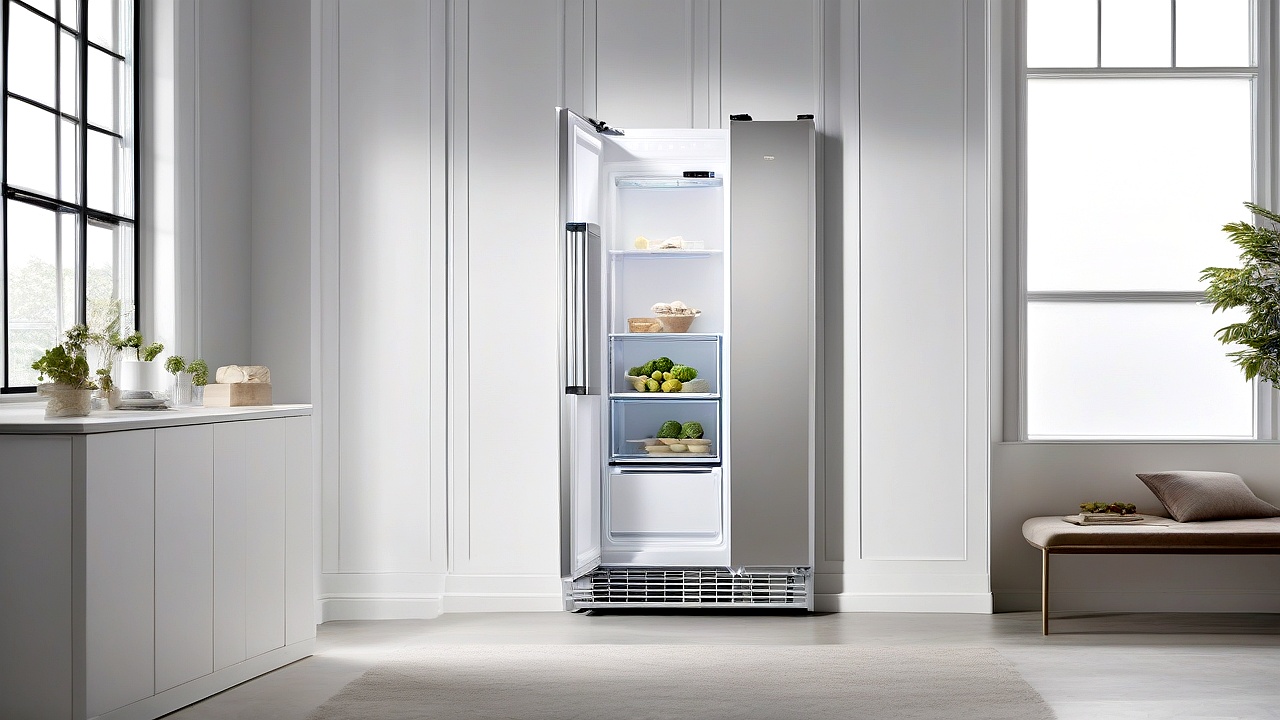
Reasons for the fridge suddenly shutting down
1. Overload or excessive power consumption
When the fridge uses too much electricity, the circuit can overload and trip the breaker. This usually happens when other heavy appliances (e.g., AC, washing machine, microwave) are running on the same circuit as the fridge.
Solution:
- Connect the fridge to a separate circuit.
- Keep other heavy equipment away from the refrigerator circuit.
- Check the refrigerator’s power cable for damage.
2. Defective power cable or plug
Old or damaged power cables can interrupt the power supply to the refrigerator. This can cause the fridge to suddenly shut down or trip the breaker.
Solution:
- Check the power cable for cracks, fraying, or damage.
- If there is damage, replace it with a new cable immediately.
- Make sure the plug is properly inserted into the socket.
3. Compressor problem
The refrigerator’s compressor is its heart. If the compressor overheats or malfunctions, the fridge can suddenly shut down. Compressor problems include:
- Overheating
- Damaged compressor coil
- Compressor motor problem
Solution:
- Ensure adequate ventilation at the back of the fridge.
- Keep the area around the compressor clean.
- If the compressor problem is serious, seek the help of a professional technician.
4. Thermostat problem
The thermostat controls the temperature of the refrigerator. If the thermostat malfunctions, the fridge can overheat or overcool and shut down suddenly.
Solution:
- Check the thermostat setting.
- If there is a problem with the thermostat, replace it.
5. Freezer internal overload
If there is excess food inside the fridge or if the fridge door is opened and closed repeatedly, the interior of the fridge can become overloaded. This may cause the fridge to shut down suddenly.
Solution:
- Do not store excess food inside the fridge.
- Avoid opening and closing the fridge door repeatedly.
- Keep the inside of the fridge clean.
6. Breaker problem
If the refrigerator’s breaker is worn out or more current flows than it can handle, the breaker can trip. Besides, if there is a problem inside the breaker, the fridge may stop suddenly.
Solution:
- Check breaker capacity. Use a breaker of at least 15-20 Amp capacity for refrigerators.
- Replace the old breaker.
- Check the inside of the breaker for damage.
Breaker Trip Causes and Solutions
1. Overloaded circuit
When many appliances are on in the same circuit, the circuit can become overloaded and trip the breaker. In the case of refrigerators, this usually occurs when other heavy appliances are on the same circuit as the refrigerator.
Solution:
- Connect the fridge to a separate circuit.
- Keep other heavy equipment away from the refrigerator circuit.
- Increase the capacity of the circuit.
2. Short circuit
If the refrigerator wiring or other parts are damaged and two wires come in contact with each other, a short circuit may occur and the breaker may trip.
Solution:
- Check the fridge wire for damage.
- If there is damage, replace it with a new cable immediately.
- Get help from a professional electrician.
3. Breaker problem
Old or damaged breakers can trip even in normal conditions. Besides, if there is a problem inside the breaker, the fridge may stop suddenly.
Solution:
- Replace the old breaker.
- Check breaker capacity. Use a breaker of at least 15-20 Amp capacity for refrigerators.
- Check the inside of the breaker for damage.
4. Fridge internal problem
A problem with a part inside the fridge, such as the compressor, thermostat, or control board, can cause excess current to flow and trip the breaker.
Solution:
- Check the inside of the fridge for any problems.
- If the problem is serious, seek the help of a professional technician.
Initial Solution for Fridge Shutting Down and Breaker Trips
When the fridge suddenly shuts down or the breaker trips, some basic steps should be taken first. These are:
Step 1: Reset the Freezer
Unplug the refrigerator’s power cable from the socket and reconnect it. Sometimes the fridge shuts down due to a temporary problem in the power supply.
Step 2: Check the breaker
Check whether the breaker has tripped. If tripped, reset the breaker. If it trips repeatedly, there may be a problem with the breaker.
Step 3: Check the fridge temperature
Check the internal temperature of the fridge. If the fridge overheats, there may be a problem with the compressor.
Step 4: Clean the back of the fridge
Dust buildup on the back of the fridge reduces the efficiency of the compressor. Clean the back of the fridge regularly.
Fridge Routine Maintenance Tips
Regular maintenance is very important to maintain the long-lasting performance of the fridge. Below are some important maintenance tips:
1. Keep the fridge clean
Clean the inside of the fridge regularly. Clean up food residue, spilled liquids, and other dirt.
2. Check the fridge seal
If the fridge door seal is damaged, hot outside air can enter and reduce the efficiency of the fridge. Check seals regularly and replace if damaged.
3. Clean the back of the fridge
Dust buildup on the back of the fridge reduces the efficiency of the compressor. Clean the back of the fridge every 3-6 months.
4. Control the temperature of the fridge
Keep the fridge temperature under control. Keep the refrigerator temperature between 37°F to 40°F (3°C to 4°C). Keep freezer compartment temperature below 0°F (-18°C).
5. Check the balance of the fridge
Check if the fridge is placed evenly. If the refrigerator is leaning to one side, the compressor will be overstressed and the efficiency of the refrigerator will decrease.
When to seek the help of a professional technician?
If the problem does not resolve after taking the initial steps to troubleshoot the fridge, a professional technician should be consulted. Especially in the following areas:
- If there is a problem with the interior of the fridge.
- If there is a problem with the compressor.
- To replace the thermostat.
- If the breaker trips repeatedly.
- If the refrigerator wire or power cable is damaged.
Things to Consider When Buying a Fridge
There are some important things to consider while buying a fridge to avoid such problems in the future. When selecting a refrigerator, consider the climate and electricity system of the US. Let’s know some things that should be taken care of before buying a fridge.
1. Refrigerator capacity (cooling capacity)
The capacity of the fridge depends on the number of family members. Usually calculated as 50 to 60 liters per person. However, in hot climates, it is better to choose a fridge with a slightly higher capacity. For example:
- Family of 2-3 people: 150-200 liters
- Family of 4-5: 250-350 liters
- 6 people or more: 400 liters or more
Also, the cooling capacity of the fridge (e.g., from 150W to 300W) affects the power consumption. Refrigerators with inverter compressors are generally more energy-efficient and reduce electricity consumption.
2. Selecting the type of fridge
There are various types of refrigerators available in the market today. The right type of fridge should be selected according to the needs and space of the family.
- Single Door Fridge: Suitable for small families or offices. Low power consumption and affordable price.
- Double Door Fridge: Ideal for large families. Has more storage space and separate freezer facilities.
- Side by Side Fridge: Lots of storage space and convenient design. But the price is relatively high.
- Freestanding fridge: Easy to move and easy to install.
- Built-in fridge: Suits the kitchen design. But installation and repair costs are high.
3. Inverter Technology and Energy Efficiency
Nowadays when buying a fridge, one should choose the model with inverter compressor. Reason:
- Power saving: Inverter compressor can reduce power consumption by up to 30-50%.
- Durability: Inverter compressors last longer than normal compressors.
- Temperature control: Inverter technology keeps the fridge temperature stable, resulting in faster freezing of food and less on-off cycling of the fridge.
If you choose a fridge by looking at the energy efficiency rating, the electricity bill will be lower. Fridges with a 5-star rating are generally the most energy efficient.
4. Refrigerator storage space and design
Storage space and design should be considered when selecting a fridge. For example:
- Freezer Capacity: Check the freezer capacity. Especially those who store a lot of meat, fish, or ice cream should have a higher freezer capacity.
- Arrangement of shelves and drawers: There should be enough shelves and drawers to keep different types of food separate.
- Design and Color: Choose the color and design that suits the design of the kitchen.
- Door arrangement: Some refrigerators have reversible doors, which can be opened in both directions.
5. Brand and Warranty
When buying a fridge, brand should be given importance. Reason:
- Brand Reputation: Good brand fridges are usually more durable and have good service support.
- Warranty: Be sure to check the warranty while buying the fridge. Usually 1 to 10 years warranty is given for refrigerators.
- Service Center: Consider how easily accessible the brand’s service center is. Especially in rural areas, having a nearby service center is important.
Popular fridge brands in the US include: Whirlpool, GE Appliances, Frigidaire, KitchenAid, and Bosch.
6. Price and Budget
Set your budget when buying a fridge. But don’t choose a fridge based on price alone. Because cheap fridges can consume more electricity in the long run and incur more frequent repair costs.
Typical price ranges:
- $300 – $900: Single Door Fridge
- $900 – $1,800: Double Door Fridge
- $1,800 – $3,600: Side by Side Fridge
- $3,600 and above: Premium model
7. Electricity Cost and Environmentally Friendly Characteristics
Currently, choose eco-friendly fridges. For example:
- CFC-Free: Refrigerant used in refrigerator should be CFC-free. It is not harmful to the environment.
- Recyclable Materials: The materials used in making the fridge should be recyclable.
- Energy Star Certification: Some refrigerators receive Energy Star Certification, which helps reduce electricity consumption.
Mistakes to avoid when choosing a fridge
Many people make some common mistakes while buying a fridge. As a result, various problems have to be faced later. For example:
- Choosing an oversized fridge: Many people buy oversized fridges for more storage space, which increases electricity consumption.
- Ignoring brands for price: Cheaper fridges cost more in the long run. So consider the brand and warranty.
- Not considering installation and space: If there is not enough space to keep the fridge, it becomes difficult to install it.
- Not considering the environment: Consider inverter technology and energy efficiency when selecting a fridge in a hot climate.
Conclusion
Refrigerators are an essential part of our daily life. So while buying a fridge, not only the price, but various important factors should be considered. Number of family members, storage space, inverter technology, energy efficiency, brand and warranty—if you choose the right fridge, it will last longer and reduce energy consumption.
Furthermore, regular maintenance of the fridge after purchase will make it work well for a long time. Keep the back of the fridge clean, check the seals, control the temperature, and get help from a professional technician if necessary.
Hope this article helps you choose a fridge. If you have any questions or need more information, feel free to comment below. Stay well, stay healthy, and use the fridge safely!

About the Author
Hi I am an Engineer I have passed my diploma in Engineering in 2007. Academically I have studied about home appliances and various motors and machineries. In 2012 I have started my blogging and learned a lot of things about home appliances especially washing appliances, washing and cleaning related products, and eequipments. In 2019 I have started my blog https://appliancesky.com to provide my research and experience with my fan and followers.