The Impact of Hard Water on Freezer Performance and How to Mitigate It
Understanding Hard Water and Its Effects on Your Freezer
Hard water contains high levels of dissolved minerals, primarily calcium and magnesium. When this type of water gets inside your refrigerator or comes into contact with its various parts, it can cause problems. These minerals accumulate in areas such as evaporator coils, condenser coils, or water dispensers inside the refrigerator. As a result, the cooling efficiency of the refrigerator decreases and the electricity consumption increases.
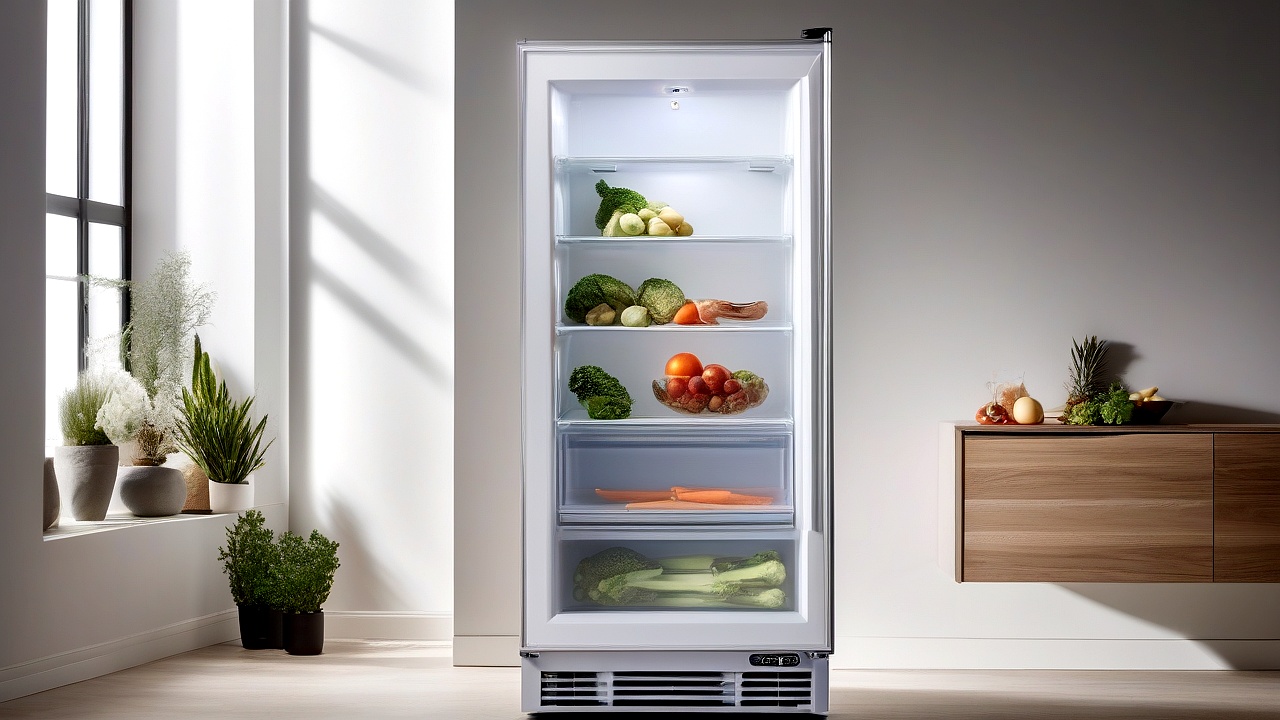
Also, hard water causes mineral deposits to build up on various parts of the refrigerator, such as pipes, filters, or seals. These deposits harden over time and disrupt the normal operation of the refrigerator. It can even overstress the refrigerator’s compressor, shortening the life of the refrigerator and increasing repair costs.
How Hard Water Damages Your Freezer: A Technical Breakdown
1. Mineral Deposits on Evaporator and Condenser Coils
Evaporator coils and condenser coils are key parts of a refrigerator cooling system. When mineral deposits from hard water accumulate on these coils, it reduces the heat exchange capacity of the coils. As a result, the fridge has to spend more energy to maintain its normal cooling capacity.
This extra energy consumption increases the electricity bill and puts extra stress on the refrigerator’s compressor. Over time this pressure reduces the efficiency of the compressor and at some point it can break down completely.
2. Clogging of Water Dispenser and Ice Maker
Many refrigerators have water dispensers and ice makers. Due to hard water, mineral deposits accumulate in these parts and pipes or nozzles get clogged. As a result, there is a problem of water or ice coming from the fridge. Sometimes even the ice maker of the fridge breaks completely.
This clogging causes excess pressure in the interior of the refrigerator and can damage various components. Also, clogging disrupts the normal operation of the fridge and can cause extra noise.
3. Corrosion of Metal Parts
High levels of minerals in hard water can cause corrosion on various metal parts of the refrigerator, such as pipes, valves, or seals. This corrosion weakens the metal parts over time and increases the chances of leaks in various parts of the fridge.
Furthermore, due to corrosion, the connections between the various parts of the refrigerator are disturbed and hence the efficiency of the refrigerator decreases. Even as a result of corrosion, important parts like the compressor of the refrigerator can be damaged.
4. Increased Energy Consumption
Hard water puts extra pressure on the cooling system of the refrigerator. As a result, the refrigerator has to spend more energy to maintain its normal cooling capacity. This additional energy expenditure results in a noticeable increase in the electricity bill.
According to a general estimate, hard water can increase a refrigerator’s electricity consumption by 15-20%. As a result, it has a clear impact on your electricity bill in the long run.
Signs That Your Freezer Is Suffering From Hard Water Damage
There are some common signs to know if your fridge is suffering from hard water. If you notice any of the following symptoms, prompt action should be taken:
- Decreased Cooling Efficiency: The fridge is not cooling as much as it should. As a result food spoils more quickly.
- Increased electricity bill: The electricity consumption of the refrigerator has increased significantly.
- Additional noise generation: Unusual noise coming from the fridge, such as humming or rattling.
- Water dispenser or ice maker problem: There is a problem in getting water or ice from the fridge.
- Unusual smell: Bad smell coming from inside the fridge.
- Visible mineral deposits: White or yellow colored mineral deposits are seen in various parts of the refrigerator.
Practical Solutions: How to Mitigate Hard Water Damage in Your Freezer
1. Install a Water Softener System
The most effective solution is to install a water softener system before the refrigerator. Through this system hard water minerals are removed and it is converted into soft water before entering the refrigerator. As a result, the possibility of mineral deposits accumulating in different parts of the fridge is reduced.
You can take the help of a professional technician to install the water softener system. There are different types of water softener systems available in the market, such as ion exchange systems, reverse osmosis systems, or salt-based systems. Choose the right system according to your needs.
2. Regular Cleaning and Maintenance
Regular cleaning of various parts of the fridge is very important. Especially clean the evaporator coils, condenser coils, water dispenser, and ice maker regularly. Mineral deposits are most likely to accumulate in these parts.
Also, clean the inside of the fridge such as shelves, drawers, and seals regularly. These parts can be easily cleaned using a soft cloth or brush. Regular cleaning maintains the efficiency of the fridge and reduces the possibility of mineral deposits.
3. Use a Water Filter
Attach a water filter to the refrigerator’s water dispenser or ice maker. Hard water minerals are removed through this filter and it is converted into soft water before entering the refrigerator. As a result, the possibility of mineral deposits accumulating in different parts of the fridge is reduced.
Different types of water filters are available in the market, such as activated carbon filter, reverse osmosis filter, or sediment filter. Select the right filter according to your needs.
4. Descale Your Freezer Regularly
Regular descaling is very important to remove mineral deposits accumulated in various parts of the fridge. For descaling you can use different types of descaling solutions. Also, descaling can be done using vinegar or lemon juice.
For descaling follow the steps below:
- Close the fridge and remove all food inside.
- Apply descaling solution to evaporator coils, condenser coils, water dispenser, and ice maker.
- Wait 15-20 minutes for the descaling solution to work properly.
- Easily remove mineral deposits using a soft cloth or brush.
- Wash all parts thoroughly and turn on the refrigerator.
5. Check and Replace Worn-Out Parts
Check various parts of the refrigerator such as pipes, valves, or seals regularly. If any part is damaged or worn-out, replace it promptly. Damaged parts reduce the efficiency of the refrigerator and increase the possibility of mineral deposits.
Also, regularly check the refrigerator compressor for over-pressure. If the compressor is overstressed, replace it quickly.
DIY vs. Professional Help: What Should You Choose?
There are two types of help you can take to repair a refrigerator damaged by hard water: DIY (Do It Yourself) or the help of a professional technician. Both types of aid have advantages and disadvantages.
DIY Solutions
With DIY solutions you can clean different parts of the fridge yourself and remove mineral deposits. The main advantage of this method is that it is affordable and you can do it yourself.
However, DIY solutions also have some disadvantages. For example, if important parts of the refrigerator such as the compressor or condenser coils are damaged, it may not be possible for you to repair them. Also, if excess mineral deposits build up in various parts of the fridge, it can be difficult to remove.
Professional Help
The main advantage of taking the help of professional technicians is that they can properly clean the various parts of the fridge and remove mineral deposits. Also, they can check the various parts of the fridge and replace the damaged parts.
However, the disadvantage of seeking professional help is that it can be expensive. Also, you may have to wait for the technician, which can be a waste of your time.
Long-Term Maintenance Tips to Protect Your Freezer
It is very important to take some long-term steps to protect the fridge from hard water damage. Below are some important tips:
- Install a water softener system: Install a water softener system before the refrigerator to remove minerals from hard water.
- Clean regularly: Clean various parts of the refrigerator like evaporator coils, condenser coils, water dispenser, and ice maker regularly.
- Use a water filter: Attach a water filter to the refrigerator’s water dispenser or ice maker.
- Descaling: Do descaling regularly to remove mineral deposits accumulated in different parts of the fridge.
- Replace damaged parts: Check various parts of the refrigerator such as pipes, valves, or seals regularly and replace damaged parts.
- Monitor electricity consumption: Monitor the electricity consumption of the refrigerator regularly. If the power consumption increases significantly, check the different parts of the refrigerator.
Top Freezer Models with Built-in Water Softening Features
There are some refrigerators available in the market today that have built-in water softening features. These fridges are specially designed to protect the fridge from hard water damage. Below is a list of some popular models that offer additional protection against hard water:
| Brand | Model | Key Features | Price Range |
|---|---|---|---|
| LG | LRMVC2306S | Built-in water softener, Inverter Compressor, Smart Diagnosis | $1,200 – $1,500 |
| Samsung | RF23BB8600 | Water filter with softening, Twin Cooling Plus, Energy Star Certified | $1,300 – $1,600 |
| Frigidaire | WRX735SDHZ | Water softener, Adaptive Defrost, FreshFlow Air Filter | $1,100 – $1,400 |
| Bosch | B36CL80SNS | Water softener, VitaFresh Pro, EcoSilence Motor | $1,400 – $1,700 |
| GE Appliances | GFE28GYNFS | Water filter with softening, TurboCool, LED Lighting | $1,000 – $1,300 |
These fridges usually have a built-in water softener system that removes minerals from hard water. As a result, there is less chance of damage caused by mineral deposits inside the fridge. In addition, most models have Inverter Compressor, which increases energy efficiency and reduces noise level.
But remember, these fridges also need regular maintenance. Because even with a built-in softener system, it can lose performance over time. So the water filter and softener system of the refrigerator should be cleaned every 6 months.
How to choose the right model?
A few things to consider when selecting your fridge:
- Water Softener Capacity: Select the softener capacity according to the hardness of water in your area. Harder water may require a higher capacity model.
- Energy Efficiency: Choosing Energy Star Certified models will reduce electricity consumption.
- Cooling Technology: Refrigerators with Inverter Compressor are more efficient and last longer.
- Additional Features: Additional features like Smart Diagnosis, Twin Cooling Plus increase the efficiency of the fridge.
- Budget: Different brands have different price ranges. Choose the best model according to your budget.
For example, if the water hardness in your area is high, you should choose a higher capacity model like LG LRMVC2306S or Bosch B36CL80SNS. On the other hand, if you want a good fridge at a low cost, the GE GFE28GYNFS can be a good option.
Things to consider before buying a fridge
There are a few important things to consider before buying a fridge so that you can make the right decision:
- Selection of location: Select a location to place the refrigerator with adequate light and ventilation and at least 2-3 inches of space behind the refrigerator for air circulation.
- Capacity Selection: Select the capacity of the fridge according to the number of members in your family. Usually a 200-300 liter capacity fridge is enough for a family of 4-5 people.
- Energy Efficiency: Choose Energy Star Certified models to reduce power consumption.
- Noise Level: Fridges with inverter compressors are generally quieter. So choose the model with less noise.
- Warranty: Be sure to check the warranty while buying the fridge. Generally 1 year warranty is standard for fridge but some brands offer 5-10 year warranty.
- Service Center: Before buying a fridge make sure that the brand has a service center in your area. If there is a problem later, it will be easily solved.
Also, when buying a fridge, be sure to select models that have built-in water softening features to protect the fridge from hard water damage. This will increase the life of the fridge and reduce maintenance costs.
Conclusion
Freezer damage due to hard water is a common problem but there are solutions. By following the methods discussed above, you can easily protect your fridge from hard water damage. Especially choosing a fridge with built-in water softening features greatly extends the life of the fridge.
Select the right refrigerator according to the hardness of water in your area and maintain the refrigerator regularly. Also, before buying a fridge, consider some important factors such as capacity, energy efficiency, noise level, warranty, and service center availability.
Remember, just as important as choosing a good fridge, proper care is equally necessary. So after buying a fridge, take care of regular cleaning, descaling, and part replacement. This will make your fridge work well for a long time and you will be able to store clean food.
Hopefully, by reading this article, you have learned more about how to protect your fridge from hard water damage. If you have any questions or need more information, be sure to comment. Thank you from the author and stay well!

About the Author
Hi I am an Engineer I have passed my diploma in Engineering in 2007. Academically I have studied about home appliances and various motors and machineries. In 2012 I have started my blogging and learned a lot of things about home appliances especially washing appliances, washing and cleaning related products, and eequipments. In 2019 I have started my blog https://appliancesky.com to provide my research and experience with my fan and followers.