The Complete Guide to Freezer Moving and Relocation: Learn How to Move Safely
Introduction: Essentials of Freezer Transfer
One of the biggest hassles when moving house is moving a heavy freezer. Many people think that a freezer is just a freezer, but actually moving a freezer requires some special precautions. Because inside the freezer there are very cold temperatures and sensitive parts. A little carelessness can damage the compressor, cooling coil or seal of the freezer. So before moving the freezer, some important things should be known in advance.
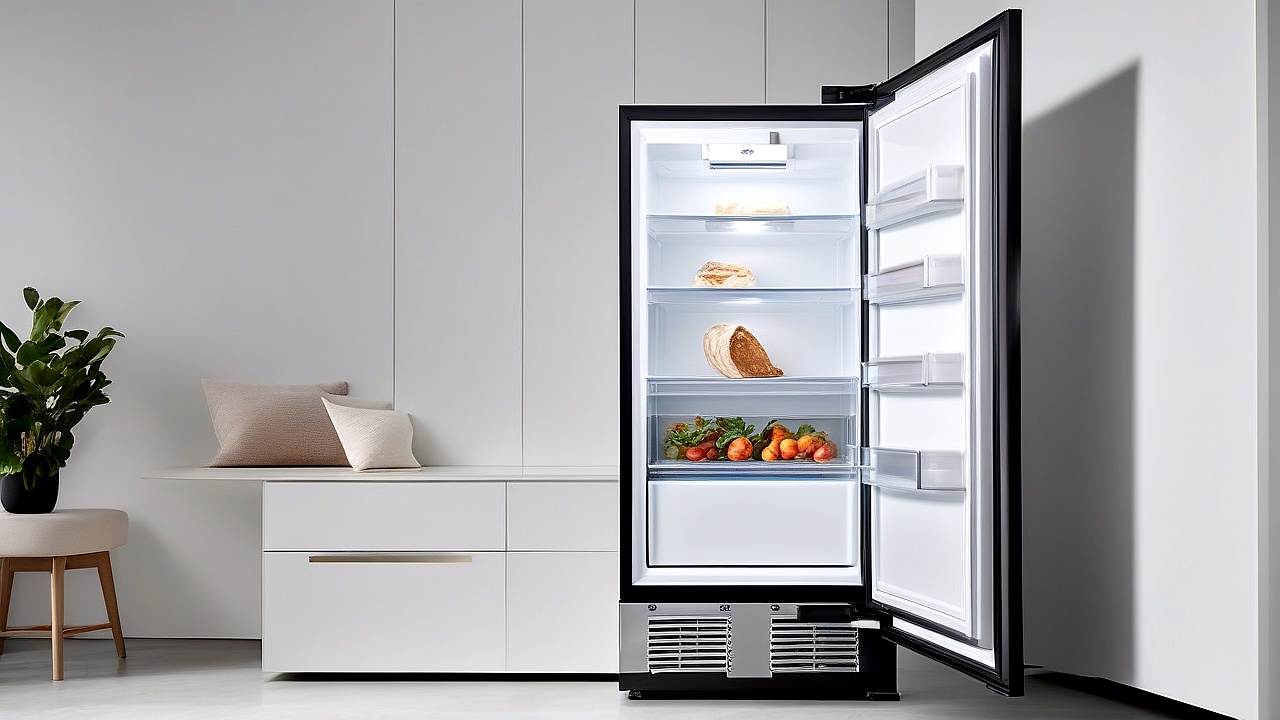
In this article we will discuss the complete process of removing the freezer step by step. It includes Pre-Transportation, Proper Packaging, Selection of Moving Team and Rule of Resumption after Shifting. So let’s get started!
Things to do before moving the freezer
1. Empty the freezer and clean it well
The most important thing to do before moving the freezer is to remove all the food inside the freezer. There are a few things to keep in mind when removing food that is inside the freezer:
- Food storage: Move freezer foods to another refrigerator or cooler. If not possible, use an insulated bag or thermal box.
- Closing the freezer: Close the freezer at least 24 hours before moving it. This will bring the temperature inside the freezer to normal and no liquid will come out when moving.
- Clean the inside: Clean the ice or frozen water inside the freezer. Dry the inside of the freezer thoroughly.
- Keep the door open: Before moving the freezer, keep the door open to prevent any odor or moisture from entering.
2. Secure Freezer Parts
There are many sensitive parts inside the freezer like compressor, cooling coil, thermostat etc. Take a few precautions to avoid damaging them while moving them:
- Compressor Protection: The compressor is located at the back of the freezer. Wrap it with bubble wrap or foam padding to avoid shock when moving it.
- Cooling Coil Protection: At the bottom of the freezer is the cooling coil. Cover it with cardboard or a plastic sheet to protect it.
- Door Seal Test: Close the freezer door properly so as not to damage the seal of the freezer door. If the seal is loose, tape it back.
3. Choose the correct location of the freezer
Select the new location of the freezer before moving the freezer. A few things to keep in mind while selecting the location of the freezer:
- Selection of location: Place the freezer in a location that is easily accessible and where there is adequate light and air around the freezer.
- Temperature Control: Do not place the freezer in direct sunlight or where the temperature is high.
- When moving: When moving the freezer, select a road where the vehicle can easily travel and where there are no steep roads.
Correct Rules for Freezer Packaging
1. Secure the exterior of the freezer
The exterior of the freezer is the most damaged when moving the freezer. So keep a few things in mind while packaging the freezer:
- Frame Protection: Wrap the freezer frame with a moving blanket or thick cardboard to protect it.
- Door Protection: Close the freezer door tightly and wrap the door handle with plastic wrap.
- Back Protection: At the back of the freezer is the cooling coil and compressor. Wrap them in bubble wrap or foam padding to protect them.
2. Protect the interior of the freezer
Follow a few steps to protect the inside of the freezer:
- Shelf and drawer protection: Wrap the shelves and drawers inside the freezer with bubble wrap. Keep them separate so that they don’t break when you move them.
- Door Seal Protection: Wrap foam padding around the freezer door seal to prevent damage.
- Clean the interior: Clean and dry the interior of the freezer thoroughly. Any moisture inside the freezer can cause problems during removal.
3. Select suitable packaging materials for the freezer
Freezer packaging requires a few materials. A few things to keep in mind while selecting them:
- Moving Blanket: Use a moving blanket to protect the exterior of the freezer. Since they are heavy and thick, there is less chance of damaging the freezer.
- Bubble Wrap: Use bubble wrap to protect the inside of the freezer. They are readily available and less likely to damage the freezer.
- Plastic Wrap: Use plastic wrap to protect freezer doors and other parts. They are readily available and less likely to damage the freezer.
- Cardboard: Use cardboard to protect the frame and other parts of the freezer. They are readily available and less likely to damage the freezer.
Proper procedure when moving the freezer
1. Preparation for lifting and moving the freezer
The most important thing to do when moving a freezer is to lift the freezer properly. A few things to keep in mind while lifting the freezer:
- Selecting the right equipment: Use an appliance dolly or furniture dolly to lift the freezer. They make moving the freezer much easier.
- Choosing the right location: When lifting the freezer, choose a location where the freezer can be easily moved. Lifting is easy if there is enough space under the freezer.
- Get help: Get the help of at least two to three people when lifting the freezer. A freezer is heavy and cannot be moved alone.
2. Freezer Lifting and Moving Steps
Follow these steps to lift and move the freezer:
- Tilt the freezer forward: Tilt the freezer forward so that there is enough space under the freezer. This allows the freezer to be moved easily.
- Dolly Placement: Place the appliance dolly under the freezer. Place the freezer on the dolly.
- Lifting the Freezer: Lift the freezer slowly when lifting. Lifting the freezer suddenly may damage the freezer.
- Freezer removal: The freezer can be easily removed after lifting. Move slowly when moving the freezer so as not to damage the freezer.
- Placement in the car: When placing the freezer in the car, place the freezer in the middle of the car. Placing the freezer next to the car door may damage the freezer.
3. Precautions during freezer transfer
A few precautions should be taken while moving the freezer:
- Vehicle speed control: Control the vehicle speed during freezer transfer. Sudden braking or acceleration of the vehicle may damage the freezer.
- Vehicle stability: Maintain vehicle stability during freezer transfers. If the car shakes, the freezer may be damaged.
- Position of the freezer: After placing the freezer in the vehicle, position the freezer in such a way that the freezer does not move with the vehicle. Fasten the freezer firmly to the vehicle.
Regulations for restarting after moving the freezer
1. After placing the freezer in a new location
After moving the freezer to its new location, there are some important tasks that must be done. First place the freezer in a place where it is completely level. If the freezer is on a slope, it can put extra stress on the freezer’s compressor and cause damage in the long run. Also, keep enough ventilation in the back of the freezer to keep the freezer cool.
Let the freezer rest for at least 2-3 hours after transfer. At this time, the liquids inside the freezer will stabilize and the pressure on the compressor will decrease. As a result, the freezer can work well for a long time.
Then clean the inside and outside of the freezer thoroughly. Clean the inside of the freezer if there is any dust or leftover food. Cleaning the outside of the freezer will also keep the freezer looking as good as new.
2. Check before restarting the freezer
After moving the freezer to its new location, it is important to check a few things before restarting it. First, check the freezer’s plug and electrical connections. Fix any loose or damaged wires. Make sure the freezer’s power cable is in good condition and has no kinks or signs of damage.
Next check the freezer door and seal. Check that the freezer door opens and closes easily. If the seal of the freezer is damaged, the cold air inside the freezer will escape and the electricity consumption will increase. Check that the freezer seal is clean and soft. If the seal appears hard or cracked, replace it.
Check that the thermostat used to control the temperature of the freezer is working properly. Check if the freezer temperature settings are working properly. If the freezer is having trouble controlling its temperature, get it fixed quickly.
3. Steps to restart the freezer
Once all the freezer checks are done, it’s time to restart the freezer. First turn on the power switch of the freezer. After turning on the freezer, wait a few hours for the freezer to cool down completely. Set the thermostat used to control the temperature of the freezer to the correct temperature. Generally, freezer temperatures should be kept between 0°F and 5°F (-18°C and -15°C).
Observe several hours after the freezer is turned on. Check if cold air is building up inside the freezer. Open the freezer door and check if cold air is coming out from inside. Listen for any unusual noises or vibrations inside the freezer. If any abnormality is observed, turn off the freezer and recheck.
Observe several hours after restarting the freezer. Check the freezer’s power consumption and performance. Check whether the food inside the freezer is getting cold. If the freezer is functioning properly, the freezer is ready for use.
4. Routine maintenance after restarting the freezer
Regular maintenance is very important after restarting the freezer. Clean the inside and outside of the freezer regularly. If there is any leftover food or liquid inside the freezer, clean it quickly. If you clean the outside of the freezer, the freezer will work well for a long time.
Check freezer doors and seals regularly. Check that the freezer door opens and closes easily. Check that the freezer seal is clean and soft. If the seal is damaged, replace it.
Regularly check the thermostat used to control the temperature of the freezer. Check if the freezer temperature is being controlled properly. Regularly monitor the freezer’s power consumption and efficiency. If the freezer is malfunctioning, get it fixed quickly.
Possible problems and solutions after moving the freezer
Some common problems can arise after moving a freezer. Like a freezer not turning on, a freezer not getting cold inside, a freezer door not closing etc. If you know the cause and solution of these problems, it is possible to solve the freezer problem quickly.
1. Freezer not turning on
There can be a few common reasons why the freezer won’t turn on after moving the freezer. First check the freezer’s power connection. Check that the plug of the freezer is properly connected to the electrical socket. Check if the power cable of the freezer is damaged. If the freezer’s power cable is damaged, replace it.
Check the freezer fuse or circuit breaker. If there is a problem with the electrical connection of the freezer, the freezer will not turn on. Check the freezer fuse or circuit breaker and replace if necessary.
If there is a problem with the freezer compressor or thermostat, the freezer will not turn on. If there is a problem with the freezer’s compressor or thermostat, fix it quickly. If there is a problem with the freezer’s compressor or thermostat, seek the help of a professional technician to repair the freezer.
2. The inside of the freezer is not getting cold
There are a few common reasons why the inside of the freezer may not be cooling after moving the freezer. Check the freezer temperature settings first. Check that the freezer temperature is set correctly. If the freezer temperature is not set correctly, the inside of the freezer will not cool.
Check freezer doors and seals. If the freezer door and seal are damaged, the cold air inside the freezer will escape and the freezer will not cool inside. Replace the freezer door and seal.
If there is a problem with the freezer compressor or thermostat, the freezer will not cool inside. If there is a problem with the freezer’s compressor or thermostat, fix it quickly. If there is a problem with the freezer’s compressor or thermostat, seek the help of a professional technician to repair the freezer.
3. Freezer door not closing
There can be a few common reasons why the freezer door won’t close after moving the freezer. Check the freezer door and frame first. If the freezer door and frame are damaged, the door will not close. Replace the freezer door and frame.
Check the freezer door hinges. If the freezer door hinge is loose or damaged, the door will not close. Replace the freezer door hinges.
The door will not close if there is an object or food stuck inside the freezer. Remove any objects or food stuck inside the freezer.
Conclusion
While moving a freezer is an important task, if done correctly, the chances of freezer damage are reduced. Freezer damage can be prevented by emptying the freezer before moving it, securing parts, and using proper packaging. It is also very important to follow the proper procedure of lifting and moving the freezer while moving the freezer.
There are some important steps to follow while restarting the freezer after moving it. After moving the freezer to its new location, it should be allowed to rest for several hours, the freezer should be cleaned, and the freezer should be restarted after all checks have been completed. Regular maintenance after restarting the freezer will also help extend the life of the freezer.
A variety of problems can arise after moving a freezer. Such as the freezer not turning on, the freezer not getting cold, the freezer door not closing, etc. If you know about the causes and solutions of these problems, it is possible to solve the problem of the freezer quickly. Freezer troubleshooting should be done by a professional technician.
Finally, always be careful when moving the freezer and take care of the freezer. If you follow the correct procedure of moving the freezer, the freezer will work well for a long time. Perform regular maintenance to extend the life of the freezer and fix freezer problems quickly. By following this complete guide to moving your freezer, you can safely move your own freezer.

About the Author
Hi I am an Engineer I have passed my diploma in Engineering in 2007. Academically I have studied about home appliances and various motors and machineries. In 2012 I have started my blogging and learned a lot of things about home appliances especially washing appliances, washing and cleaning related products, and eequipments. In 2019 I have started my blog https://appliancesky.com to provide my research and experience with my fan and followers.