Why Dryer Sheets Leave a Wax Coating on Lint Screens: Causes, Solutions, and Prevention
Introduction: Learn About Problems with Dryer Sheets
Have you ever noticed a waxy coating on the lint screen of your washing machine or dryer? This is often caused by using Dryer Sheets. Many people don’t know how these small pieces of fabric actually work and why they leave a waxy coating on the lint screen.
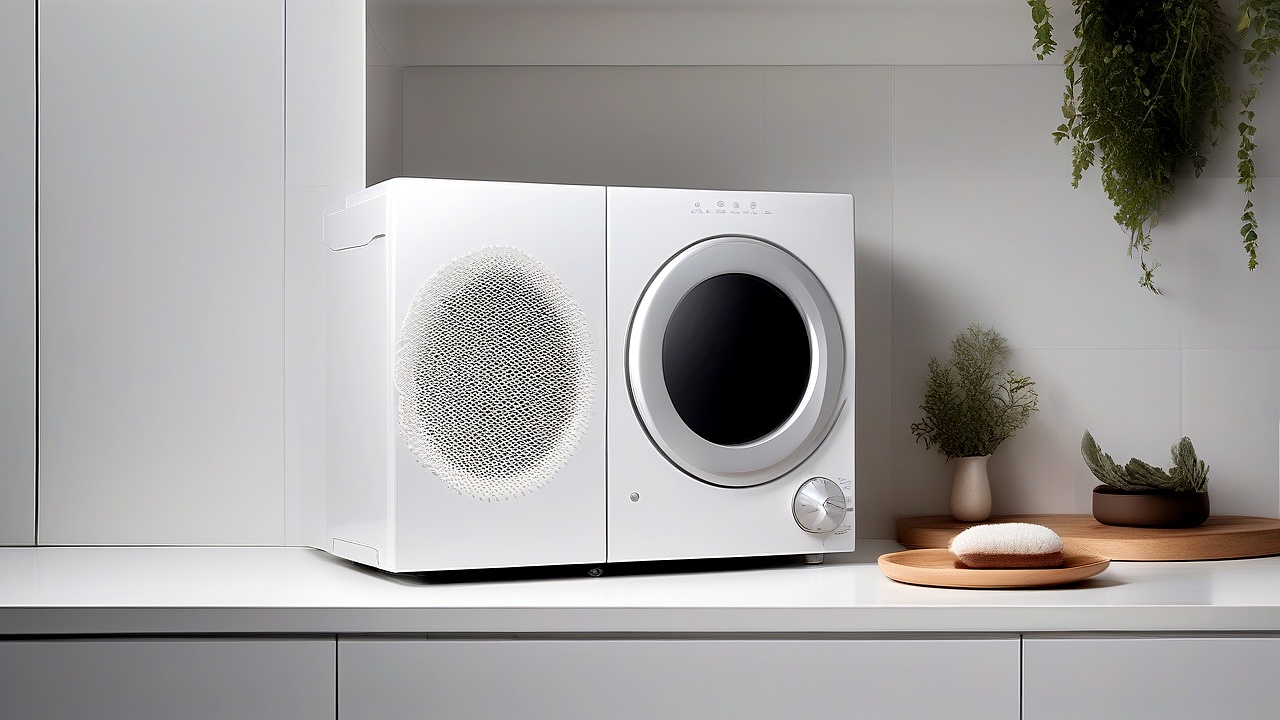
In today’s article, we will discuss the chemical composition of Dryer Sheets, the causes of wax buildup on lint screens, the problems it causes, and most importantly—ways to address this issue.
What exactly are Dryer Sheets and how do they work?
Dryer Sheets are a type of fabric that has different types of chemicals applied to it. They are mainly used to soften fabrics, reduce static electricity, and add fragrance. Usually, they are used to create:
- Softening Agents (Quaternary Ammonium Compounds) – Help to soften fabrics.
- Fragrance Oils – Add fragrance.
- Fatty Acids (e.g., Stearic Acid) – Form a waxy coating that controls static electricity.
- Preservatives & Dyes – To preserve and add color.
When you use Dryer Sheets while drying clothes in the dryer, the high temperature causes them to melt and stick to the clothes. But some particles accumulate on the lint screen, creating a waxy coating.
What causes wax buildup on lint screens?
There are several reasons behind wax buildup on lint screens. Let’s find out in detail:
1. Chemical Composition of Dryer Sheets
Fatty Acids (such as Stearic Acid) used in Dryer Sheets melt at high temperatures and form a sticky coating. This coating easily adheres to the lint screen and accumulates over time.
2. High temperature and overuse
If you dry clothes at too high a temperature or use multiple Dryer Sheets together, the chemicals melt more, and the chances of lint accumulating on the screen increase.
3. Lint Screen lack of cleanliness
If the lint screen is not cleaned regularly, the accumulated wax and lint combine to form a hard coating. This reduces the efficiency of the dryer and increases energy consumption.
Ventilation system issues in the dryer
If the dryer’s ventilation system isn’t working properly, wax and lint can easily build up on the screen. As a result, dirt can also accumulate on the inside of the dryer.
Problems Caused by Wax Accumulation on Lint Screens
Wax buildup on lint screens can cause several problems. Let’s find out about them:
1. Decreased dryer performance
When wax builds up on the lint screen, the dryer’s airflow is disrupted. This results in longer drying times and increased electricity consumption.
2. Increased risk of fire
Lint and wax accumulated on screens are highly flammable. If not cleaned regularly, the risk of fire increases.
3. Decrease in quality of cloth
If the wax coating sticks to the fabric, it can generate more static electricity instead of softening it. As a result, clothes easily attract dust and look unsightly.
4. Decreased dryer life
If the lint screen is not cleaned regularly, dirt can build up on the inside of the dryer and reduce its performance. This also reduces the lifespan of the dryer.
Effective Ways to Prevent Wax Accumulation on Lint Screens
Now the question is, how do you address this problem? Let’s find out some effective ways:
1. Use alternatives to Dryer Sheets
If you don’t want to use Dryer Sheets, you can follow these alternatives:
- Wool Dryer Balls – These help soften clothes and reduce static electricity. They are also reusable.
- Vinegar – Use one tablespoon of white vinegar before drying clothes. This helps reduce static electricity.
- Aluminum Foil Balls – Create a few aluminum foil balls and place them in the dryer. These help reduce static electricity.
2. Clean the lint screen regularly
Cleaning the lint screen after each use is essential. Follow these steps:
- Remove the lint screen from the dryer.
- Clean off wax and lint using an old toothbrush or soft brush.
- Wash the screen with hot water and mild soap.
- Reinstall it once completely dry.
3. Check the dryer’s ventilation system
Check if the dryer’s ventilation system is working properly. If it is clogged, clean it out. This allows wax and lint to exit more easily.
4. Dry clothes at lower temperatures
Dry clothes at the lowest possible temperature. This prevents the chemicals in Dryer Sheets from melting easily and reduces the chance of wax buildup on the lint screen.
5. Clean the dryer regularly
Clean the inside of the dryer every few months. This helps remove any accumulated wax and lint.
Alternatives to Using Dryer Sheets
If you don’t want to use Dryer Sheets, consider the following alternatives:
1. Wool Dryer Balls
Wool Dryer Balls are reusable balls that help soften clothes. They reduce static electricity and assist in drying clothes. They are also natural and free of chemicals.
2. Vinegar
Use one tablespoon of white vinegar before drying clothes. This helps reduce static electricity and softens fabrics.
3. Aluminum Foil Balls
Create a few aluminum foil balls and place them in the dryer. These help reduce static electricity and soften clothes.
4. Tennis Balls
Place old tennis balls in the dryer. They help separate clothes and reduce static electricity.
Simple Methods for Cleaning the Lint Screen
Cleaning the lint screen is very simple. Follow these steps:
Step 1: Remove the lint screen
Remove the lint screen from the dryer. It is usually located at the front of the dryer.
Step 2: Clean off wax and lint
Use an old toothbrush or soft brush to clean off wax and lint. If the wax is hardened, use hot water and mild soap.
Step 3: Wash the screen
Wash the screen with hot water and mild soap. Then, wipe it dry with a clean cloth.
Step 4: Reinstall the screen
Once the screen is completely dry, reinstall it in the dryer.
Tips for Long-Lasting Dryer Care
To extend the life of your dryer and maintain its performance, follow these tips:
1. Clean the lint screen regularly
Clean the lint screen after each use. This prevents wax and lint buildup.
2. Check the dryer’s ventilation system
Inspect the dryer’s ventilation system every few months. If it is clogged, clean it out.
3. Avoid overloading
Do not overload the dryer with clothes. This puts extra strain on the dryer and reduces its efficiency.
4. Clean the dryer regularly
Clean the inside of the dryer every few months. This helps remove any accumulated wax and lint.
Frequently Asked Questions (FAQ)
Question 1: Is it possible to prevent wax buildup on the lint screen from using Dryer Sheets?
Yes, it is possible! While using Dryer Sheets increases the risk of wax buildup on the lint screen, following a few simple steps can help avoid this issue. Cleaning the lint screen regularly, drying clothes at lower temperatures, and using alternatives like Wool Dryer Balls or Vinegar can significantly reduce wax buildup. Additionally, it is important to regularly check if the dryer’s ventilation system is working properly, as poor ventilation can lead to wax accumulating on the screen.
Question 2: What are the benefits of using Wool Dryer Balls?
Using Wool Dryer Balls offers several benefits. First, they help keep clothes soft, maintaining fabric quality. Second, they reduce static electricity, making clothes easier to separate. Third, since they are reusable, you don’t need to buy new Dryer Sheets repeatedly, making them cost-effective and eco-friendly. Most importantly, Wool Dryer Balls are natural and free of chemicals, making them safe for people with sensitive skin.
Question 3: What is the most effective method for cleaning the lint screen?
The most effective method for cleaning the lint screen is to clean it regularly. After each dryer use, remove lint from the screen. If wax has built up, remove the screen and clean off wax and lint using a soft brush or sponge. Then, wash the screen with hot water and let it dry completely. If the wax is stubborn, vinegar or washing soda can also be used for cleaning. Following this process regularly will keep the screen clean and functional for a long time.
Question 4: What problems can arise if the dryer’s ventilation system is poor?
A poor dryer ventilation system can lead to several issues. First, it increases the likelihood of wax buildup on the lint screen because wax easily sticks to the screen when ventilation is inadequate. Second, it reduces the dryer’s efficiency, leading to longer drying times and increased energy consumption. Third, poor ventilation raises the risk of fire, as lint and wax trapped inside the dryer can generate excess heat. Therefore, regularly checking and cleaning the ventilation system is crucial.
Question 5: What temperature should be used when drying clothes?
The appropriate drying temperature depends on the type of fabric. Generally, cotton fabrics can be dried at high temperatures, while synthetic fabrics should be dried at medium or low temperatures. Excessive heat can damage fabric quality and increase static electricity. Most dryers have settings like High, Medium, Low for temperature control. Choosing the right temperature helps clothes last longer and maintains the dryer’s efficiency.
Safety Precautions and Additional Tips for Using a Dryer
Taking extra precautions while using a dryer can extend its lifespan and ensure safety. First, clean the lint screen after each use, as accumulated lint increases the risk of fire. Second, regularly check the dryer’s ventilation system, as poor ventilation reduces efficiency and increases energy consumption. Third, avoid overloading the dryer, as this strains the motor and can cause damage. Fourth, clean the inside of the dryer regularly, especially if wax buildup is a concern. Additionally, select the drying temperature based on the type of fabric to maintain quality and efficiency.
Many people are unaware that the dryer vent pipe should also be cleaned regularly. Lint buildup in the vent pipe reduces dryer efficiency and increases energy consumption. Therefore, it should be cleaned every few months. If cleaning the vent pipe is difficult, consider hiring a professional technician.
Eco-Friendly Ways to Use a Dryer
Many people are now shifting toward eco-friendly ways to use a dryer. The most effective method is to use Wool Dryer Balls, as they are reusable and natural. Additionally, using Vinegar is another eco-friendly way to soften clothes without harming the environment. Controlling the dryer’s temperature can also reduce energy consumption. Many people don’t realize that selecting the right temperature based on fabric type can significantly lower energy use.
Another eco-friendly dryer option is to use solar power or renewable energy. While not widely available, those who can should consider solar-powered dryers. Additionally, choosing an Energy Star-certified dryer helps reduce electricity consumption, as these models are energy-efficient and eco-friendly.
Conclusion
From today’s discussion, it is clear that the issue of wax buildup on lint screens from using Dryer Sheets is common but solvable. Cleaning the lint screen regularly, drying clothes at lower temperatures, and using alternatives like Wool Dryer Balls or Vinegar can help avoid this problem. Additionally, regularly checking and cleaning the dryer’s ventilation system is essential.
If you want to extend the life of your dryer and use it safely, follow the tips mentioned above. Remember, a clean and well-maintained dryer not only reduces energy consumption but also preserves fabric quality. So, start taking care of your dryer today and focus on eco-friendly drying methods.
We hope this article has been helpful. If you have any questions or need further information, feel free to comment. We are always ready to answer your questions. Thank you!

About the Author
Hi I am an Engineer I have passed my diploma in Engineering in 2007. Academically I have studied about home appliances and various motors and machineries. In 2012 I have started my blogging and learned a lot of things about home appliances especially washing appliances, washing and cleaning related products, and eequipments. In 2019 I have started my blog https://appliancesky.com to provide my research and experience with my fan and followers.