Microwave Steam Cleaning Techniques: The Complete Guide to the Vinegar and Lemon Method
Introduction: Why is it important to keep the microwave clean?
One of the essential appliances in our kitchen is the microwave. It is used in everything from daily cooking to baking. But over time, food residue, oil spills, and odors that accumulate inside the microwave make it dirty and smelly. If not cleaned regularly, this residue can cause bacteria to grow and reduce the performance of the microwave.
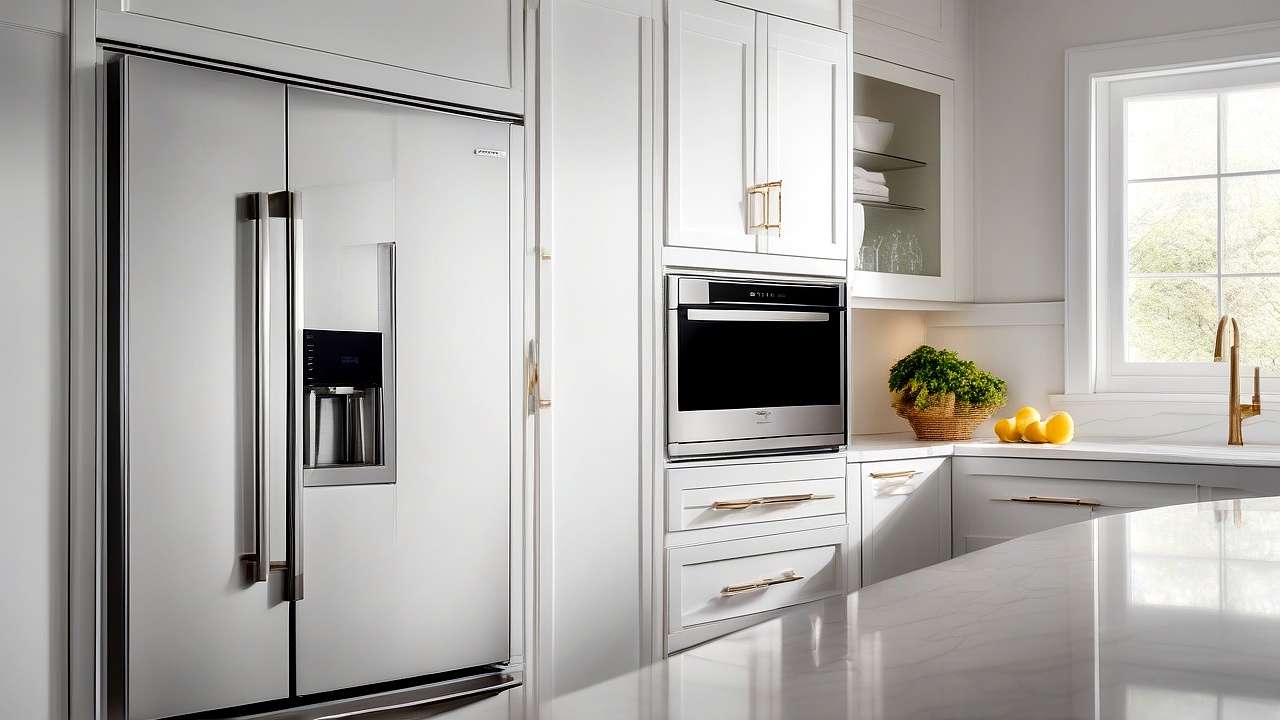
A simple solution to this problem is the Steam Cleaning Technique. Microwaves can be easily disinfected and cleaned using vinegar and lemon in particular. This method does not require any chemical cleaners, so it is eco-friendly and hygienic. Let’s find out how to keep the microwave clean using this method.
What is the steam cleaning technique and how does it work?
Steam cleaning is a method where hot water or steam is used inside the microwave to loosen stains, oil, and food residue. This method typically uses water, vinegar, or lemon juice. When this mixture is heated in the microwave, a large amount of steam is generated. This steam soaks the inner walls, rotating plate, and other parts of the microwave, making it easier to clean.
The main advantages of this method are:
- No chemical cleaners required, hence hygienic.
- Removes stale food stains and oils easily.
- Removes odors from inside the microwave.
- Cleaning takes less time and requires less effort.
Benefits of the Vinegar and Lemon Method
Vinegar and lemon are natural cleaning agents. By using them, the microwave can be easily sterilized. Below are some of the main benefits of using vinegar and lemon:
Benefits of Vinegar
- Natural Disinfectant: Acetic acid in vinegar helps destroy bacteria and germs. As a result, the inside of the microwave is sterile.
- Stain Cleaner: Vinegar can remove oil and grease stains easily.
- Deodorizer: The strong smell of vinegar absorbs food odors.
- Cheap and readily available: Easily available in the market and much cheaper than other cleaners.
Benefits of Lemon
- Natural Disinfectant: Citric acid in lemon helps destroy bacteria.
- Peel Cleanser: Lemon peel helps in cleaning oil and grease stains.
- Fragrance: The lemon scent makes the microwave fresh.
- Environment friendly: As lemon is a natural ingredient, it is not harmful to the environment.
Step by Step Guide to the Vinegar and Lemon Method
Required Materials
Microwave steam cleaning requires the following materials:
- A microwave-safe bowl (deep and wide)
- 1 cup water (250 ml)
- 2 tbsp white vinegar (30 ml) or 1 tbsp vinegar + 1 tbsp lemon juice
- Lemon peel (optional, for fragrance)
- Microfiber cloth or sponge
- A soft brush for cleaning (optional)
Step 1: Prepare the microwave
First, remove all food, plates, and other objects from inside the microwave. Set aside the rotating plate of the microwave.
Step 2: Preparing the steam mixture
Take 1 cup of water in a microwave-safe bowl and add 2 tablespoons of white vinegar to it. Or mix 1 tbsp vinegar + 1 tbsp lemon juice. Adding lemon peel will enhance the fragrance.
Step 3: Heat the mixture in the microwave
Place the bowl in the center of the microwave. Close the microwave door and heat on maximum power (800-1000 watts) for 3 to 5 minutes. A large amount of steam will be generated inside the microwave during heating.
Important Tips:
- Be careful when opening the door to avoid overpressurizing the inside of the microwave.
- Do not place any curtains or cloths around the microwave while heating.
- Do not place any metal objects inside the microwave while heating.
Step 4: Letting off steam
After heating, open the microwave door and wait for 5 to 10 minutes. During this time, the steam will wet the inside walls, rotating plate, and other parts of the microwave. This will loosen the stains and oil.
Step 5: Cleaning the Microwave
After 10 minutes, open the microwave door and clean the insides. Follow the steps below:
- Rotating plate: Separate the plate and soak it in hot water. Then clean with a sponge or microfiber cloth.
- Microwave interior walls: Wipe the walls with a microfiber cloth or sponge. If any stains remain, use a small amount of dish soap or water mixed with vinegar.
- Door Seal: Clean the door seal with a soft brush. Food residue often accumulates here.
- Exterior: Wipe the exterior of the microwave with a microfiber cloth as well.
Step 6: Final Cleanup
After cleaning everything, leave the microwave door open for a while. This will keep the inside completely dry and free of any moisture.
Things to keep in mind while using the vinegar and lemon method
Some important points to keep in mind while using this method:
What kind of vinegar to use?
It is best to use white vinegar, as it is the most effective for cleaning. Apple cider vinegar can also be used, but it may have a stronger smell.
How long should you keep it warm?
Usually 3 to 5 minutes is enough. However, depending on the power of the microwave, the time may be shorter or longer. Prolonged heating will produce excess steam, which can be dangerous.
How often to follow this procedure?
If you follow this method once a week, the microwave will always be clean and sterile. But if the microwave is used frequently, it should be cleaned every two weeks.
What type of microwave-safe bowl to use?
Use a microwave-safe glass bowl. Using a plastic bowl may melt it.
Alternative Method to Vinegar and Lemon Method
If you don’t have vinegar or lemon, you can follow these alternative methods:
Steam cleaning using only water
Take 1 cup of water in a bowl and heat it in the microwave for 5 to 7 minutes. Then let the steam escape and clean it. This method will only loosen the stains; the disinfecting effect will be less.
Using baking soda
Mix 1 cup of water and 2 tablespoons of baking soda in a bowl and heat it in the microwave for 5 minutes. Then clean it up. Baking soda will help clean oil and grease stains.
Using dish soap
Mix 1 cup of water and 1 tablespoon of dish soap in a bowl and heat in the microwave for 3 to 5 minutes. Then clean it up. But wash thoroughly after using dish soap so that there is no residue.
Avoid Common Microwave Cleaning Mistakes
Many people make some simple mistakes while cleaning the microwave, which can damage the microwave and even create dangerous situations. Below are the errors and their solutions:
Mistake 1: Using strong cleaners
Many people use strong cleaners such as bleach, ammonia, or other chemical cleaners to clean microwaves. They can damage the plastic parts of the microwave, cause surface corrosion, and be seriously harmful to health. In particular, the use of bleach can produce toxic gases that can cause breathing problems. Always use natural cleaning agents such as vinegar, lemon, or baking soda. They are safe and effective.
Mistake 2: Heating for too long
Extended microwave heating produces large amounts of steam, which can be dangerous. Pressure can build up inside the microwave and make it difficult to open the door. Also, overheating can damage the interior of the microwave. Always follow the indicated time and do not leave the microwave on longer than necessary. Usually, no more than 3-5 minutes of steam cleaning is required.
Mistake 3: Using metal scrapers or tough brushes
Many people use a metal scraper or stiff brush when cleaning the inside of a microwave. These can damage the surface of the microwave and cause stains. In particular, the special coating used on the walls of the microwave can be damaged. Instead, use a soft sponge or microfiber cloth. If there is stubborn dirt, scrub gently after soaking.
Mistake 4: Leaving the microwave unattended
Many do not clean the microwave immediately after using it. As a result, the food residue dries and hardens and becomes difficult to clean later. Regular cleaning extends the life of the microwave and makes the food taste better. Spend a little time cleaning the microwave after each use.
Mistake 5: Incorrect cleaning agent combination
Natural cleaning agents such as vinegar and baking soda should not be mixed together. Because their chemical reaction can produce carbon dioxide gas, which can be dangerous. Always use a specific cleaning agent separately when needed.
Choosing the Right Materials for Microwave Cleaning
Choosing the right materials for cleaning the microwave is very important. Using the wrong materials can damage the microwave and make cleaning ineffective. Below is a list of some appropriate and inappropriate materials:
| Tools | Suitable? | Terms of Use |
|---|---|---|
| Vinegar | ✅ suitable | Make a mixture of water and vinegar and use it for steam cleaning. |
| Lemon | ✅ suitable | Use lemon juice or cut lemon mixed with water. |
| Baking soda | ✅ suitable | Mix with water to form a paste and use to clean stubborn dirt. |
| Dish soap | ✅ suitable | Clean with a sponge mixed with dish soap in mildly warm water. |
| Bleach | ❌ inappropriate | Can produce noxious gases and damage plastic parts. |
| Ammonia | ❌ inappropriate | Can produce poisonous gas and is harmful to health. |
| Metal Scraper | ❌ inappropriate | Can damage surfaces and cause staining. |
Routine care after microwave cleaning
Regular care is very important after cleaning the microwave. This increases the efficiency of the microwave and helps it last longer. Below are some routine care suggestions:
- Clean after each use: Spend a short time cleaning the microwave after each time you heat food. It will prevent food residue from solidifying.
- Do regular steam cleaning: Follow the steam cleaning procedure at least once every week. It keeps the interior clean and sterile.
- Keep the door and seal clean: Keep the microwave door and seal clean. If dirt accumulates on them, the performance of the microwave may decrease.
- Ensure ventilation: Leave the microwave open for a while after use to allow the interior to dry and allow air to circulate.
- Follow the instructions: Follow the instructions for the microwave and seek advice from the manufacturer if necessary.
Tips and Tricks for Cleaning Microwaves
Following some simple tips for cleaning microwaves makes the job easier and more efficient. Below are some tips:
- Use lemon peels: Heating lemon peels inside the microwave removes odors and kills germs.
- Vinegar Spray: Spray a mixture of vinegar and water on the inside of the microwave. Then wait for a while and clean with a sponge.
- Baking Soda Paste: Mix baking soda and water to make a paste and use it to clean stubborn dirt. Dirt comes off easily.
- Use microfiber cloth: Use microfiber cloth for cleaning. They absorb dust and dirt easily.
- Clean at specified times: Clean immediately after using the microwave. It cleans dirt before it hardens.
Conclusion
Microwaves are essential devices in our daily life. If they are not properly cared for and cleaned, they can deteriorate quickly and affect the taste and quality of the food. Microwaves can be easily cleaned by following various natural methods, including the vinegar and lemon method discussed above. However, there are some common mistakes to avoid when cleaning, such as using strong cleaners, heating for too long, or using metal scrapers.
Remember, regular cleaning and care extends the life of the microwave and keeps it working well for a long time. Clean sparingly after each use, follow a steam cleaning procedure at least once a week, and keep doors and seals clean. Also, choose the right materials and follow the manufacturer’s instructions.
Get ready to clean your microwave now and enjoy a clean and sterile microwave by following these simple steps! 🍋✨

About the Author
Hi I am an Engineer I have passed my diploma in Engineering in 2007. Academically I have studied about home appliances and various motors and machineries. In 2012 I have started my blogging and learned a lot of things about home appliances especially washing appliances, washing and cleaning related products, and eequipments. In 2019 I have started my blog https://appliancesky.com to provide my research and experience with my fan and followers.