Understanding Motors and Capacitors Inside Modern Range Hoods
Introduction: The silent worker in the kitchen – the engine inside the range hood
Range hoods have become an indispensable device in our lives to remove smoke, odor, and oil particles while cooking. But two important components hidden inside this device are motor and capacitor. Both of these parts help keep the range hood functional and working properly.
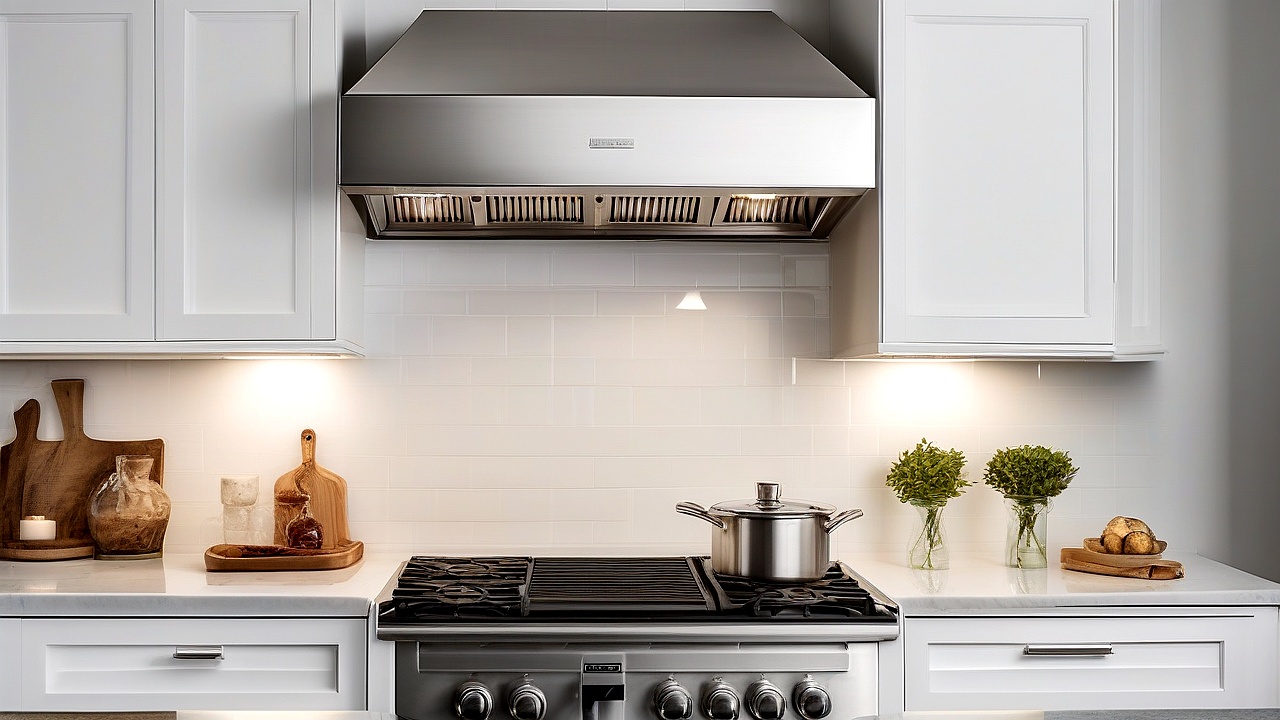
In today’s discussion we will learn the role of motor and capacitor inside the range hood, their types, working methods, and how these parts play a role in solving some problems. Also included are regular maintenance tips and purchase considerations.
Range Hood Motors: How Does It Work?
The main function of the range hood is to vent out the smoke and odors generated during cooking. Motor helps to accomplish this task. A motor is a component that converts electrical energy into mechanical energy and turns the fan to expel smoke.
Types of motors
Three types of motors are commonly used in range hoods:
- Split Phase Motor: This type of motor is relatively simple in construction and less expensive. It is mainly used in short range hoods.
- Capacitor Start Motor: This motor has an additional capacitor which increases the starting torque. As a result the motor starts easily and rotates at high speed.
- Permanent Split Capacitor Motor (PSC): In this type of motor, a capacitor is permanently connected which increases the efficiency of the motor and saves energy. It is commonly used in high-quality range hoods.
Elements determining motor performance
The performance of a motor depends on a few important factors:
- CFM (Cubic Feet per Minute): It indicates the air flow rate of the motor. Motors with higher CFM values are capable of moving more smoke.
- Wattage: indicates the power consumption of the motor. Higher wattage motors are more powerful but also consume more power.
- Noise Level: A low noise motor provides a comfortable environment for the user. Sound levels should generally be between 50-60 decibels.
- Durability: Motors with high-quality bearings and lubrication systems last longer.
Capacitor: Range Hood’s Power Source
A capacitor is an electrical component that stores electrical energy and supplies power to the motor as needed. Capacitors used in range hoods are mainly of two types:
Start Capacitor
A start capacitor provides extra power to the motor when starting, allowing it to start easily and reach high speed quickly. Start capacitors typically measure 50-300 microfarads (µF).
Run Capacitor
A run capacitor supplies consistent power to the motor while it is running. This increases motor efficiency and reduces power consumption. Run capacitors typically measure 5-50 microfarads (µF).
Importance of the capacitor
A high-quality capacitor improves the performance of the range hood and reduces electricity consumption. It also extends the motor’s lifespan and prevents overheating.
Identifying motor and capacitor problems
If the range hood’s performance declines or issues arise, the motor and capacitor should be checked first. Below are some common problems and their solutions:
Problem 1: Range hood does not turn on
Possible causes:
- Faulty capacitor
- Damaged motor coil
- Power supply issues
Solutions:
- First, check the power supply.
- If the power supply is fine, test the capacitor using a multimeter.
- If the capacitor is faulty, replace it.
- If the capacitor is fine, check the motor coil. If the coil is damaged, it must be replaced.
Problem 2: Fan does not spin even when the range hood is on
Possible causes:
- Damaged motor bearings
- Obstruction in the fan blade
- Damaged motor coil
Solutions:
- First, check the fan blade for any obstructions.
- If there are no obstructions, check the bearings. Replace the bearings if they are damaged.
- If the bearings are fine, check the motor coil. If the coil is damaged, it must be replaced.
Problem 3: Range hood is making excessive noise
Possible causes:
- Damaged motor bearings
- Damaged motor coil
- Unbalanced fan blade
Solutions:
- First, check the bearings. Replace them if damaged.
- If the bearings are fine, check the coil. Replace it if damaged.
- Reinstall the fan blade to correct any imbalance.
Maintaining motors and capacitors in range hoods
Regular maintenance is essential to keep the range hood performing well over time. Below are some important maintenance tips:
Motor maintenance
- Clean dust and debris: Regularly clean dust and debris around the motor. Accumulated dust reduces motor performance and increases the risk of overheating.
- Lubrication: Apply lubrication oil to the bearings and other moving parts regularly. This extends bearing life and improves motor performance.
- Clean fan blades: Clean the fan blades regularly. Oil and dust buildup can cause imbalance in the fan blades.
Capacitor maintenance
- Check capacitor condition: Regularly inspect the capacitor. If it is swollen or leaking, replace it.
- Test capacitor rating: Use a multimeter to test the capacitor rating. If the rating is low, replace it.
Purchase considerations
When purchasing a new range hood, it is important to consider the quality of the motor and capacitor. Below are some key factors:
Motor considerations
- CFM: Motors with higher CFM ratings can move more smoke. Motors with 300-600 CFM ratings are typically suitable for kitchens.
- Wattage: Higher wattage motors are more powerful but consume more electricity. Motors with 100-250 watts are typically suitable for kitchens.
- Noise level: Motors with lower noise levels provide a more comfortable environment. Noise levels should generally be between 50-60 decibels.
- Durability: Motors with high-quality bearings and lubrication systems last longer.
Capacitor considerations
- Start capacitor: Start capacitors typically measure 50-300 microfarads (µF). High-quality start capacitors help the motor start easily.
- Run capacitor: Run capacitors typically measure 5-50 microfarads (µF). High-quality run capacitors improve motor efficiency and save energy.
Brand and warranty
Purchase a range hood from a reputable brand. The quality of the motor and capacitor often depends on the brand. Also, choose a brand that offers a long-term warranty.
Frequently Asked Questions
Question 1: How long does a range hood motor last?
Answer: A high-quality motor typically lasts 5-10 years. Regular maintenance can extend its lifespan. Motors with inverter technology tend to last longer. Overheating, dust buildup, or incorrect voltage can reduce motor lifespan, so ensure proper cleaning and voltage supply.
Question 2: How much does it cost to replace a capacitor?
Answer: The cost of a capacitor depends on its rating, brand, and type. Start capacitors and run capacitors have different prices. Below is a general price list:
| Capacitor Type | Price Range (USD) | Use |
|---|---|---|
| Start Capacitor (5-20 µF) | $5 – $12 | Provides extra power when the motor starts |
| Run Capacitor (1-10 µF) | $8 – $20 | Provides stable power while the motor is running |
| Premium Capacitor | $20 – $40+ | Used in high-performance range hoods |
Tip: Always use a capacitor with the same rating when replacing it. Using the wrong capacitor can damage the motor. Buying online may be more cost-effective than purchasing from a local store.
Question 3: What are the signs of a failing range hood motor?
Answer: A failing motor often shows signs before it completely stops working. Below are some common signs:
- Motor does not turn on: If the motor does not run after turning on the switch, there may be an issue with the motor or capacitor.
- Excessive noise: Unusual noises from the motor may indicate damaged bearings or other issues.
- Reduced fan speed: If the fan speed is lower than usual, the motor may be losing power.
- Burning smell or smoke: If the motor overheats, it may emit a plastic or electrical burning smell. Turn off the motor immediately and inspect it.
- Motor shuts off unexpectedly: If the motor turns off suddenly after starting, there may be an issue with the capacitor or motor.
If any of these signs appear, repair or replace the motor promptly to avoid further damage to the range hood.
Question 4: Can I replace a capacitor myself?
Answer: Yes, you can replace a capacitor yourself, but you must take precautions. Below are the steps to replace it:
- Disconnect power: Unplug the range hood or disconnect its power supply.
- Remove the old capacitor: The capacitor is usually located near the motor. Use a screwdriver to remove it.
- Install the new capacitor: Use a capacitor with the same rating. Match the voltage and microfarad (µF) values.
- Reconnect the wires: Properly reconnect the capacitor wires. Incorrect connections can damage the motor.
- Test the motor: Turn on the power and test the motor. If it runs properly, the replacement was successful.
Caution: If you are not experienced with electrical work, hire an electrician to perform the replacement. Incorrect capacitor replacement can cause electrical shorts or fire hazards.
Question 5: Which brand of motor and capacitor is the best?
Answer: Many brands offer motors and capacitors, but some are known for their quality and durability. Below are some popular brands:
- Panasonic: Known for high-quality motors and capacitors. Long-lasting and powerful.
- Samsung: Offers inverter technology motors, which are energy-efficient and quiet.
- LG: Suitable for high-performance range hoods. Their motors are highly reliable.
- Hitachi: A Japanese brand known for high-performance motors.
- Chinese Brands (e.g., Gree, Midea): More affordable but still offer good quality. However, their longevity may be slightly less.
When choosing: Consider the brand, warranty, and availability of local service centers. Investing in a high-quality motor and capacitor reduces long-term costs.
Conclusion
The motor and capacitor are the heart of a range hood. If these two components work properly, the range hood can operate reliably for a long time. However, their performance may decline over time, so regular maintenance and timely replacement are essential.
When purchasing a new range hood, consider the quality of the motor and capacitor. Motors with inverter technology are more energy-efficient and quieter, making them a better choice. Also, consider the warranty and brand reputation.
If any issues arise, address them promptly. If you cannot fix the problem yourself, hire an electrician. A small delay can cause significant damage to the range hood.
Take care of your range hood by cleaning it regularly and replacing parts when necessary. This will keep your kitchen smoke-free and ensure the range hood operates reliably for years.

About the Author
Hi I am an Engineer I have passed my diploma in Engineering in 2007. Academically I have studied about home appliances and various motors and machineries. In 2012 I have started my blogging and learned a lot of things about home appliances especially washing appliances, washing and cleaning related products, and eequipments. In 2019 I have started my blog https://appliancesky.com to provide my research and experience with my fan and followers.