The Complete Guide to Cleaning the Espresso Machine’s Steam Wand and Portafilter: The Safe and Effective Way
Those who use espresso machines regularly know how important it is to keep the steam wand and portafilter clean. From frothing milk to cleaning coffee grounds—these two parts determine the espresso’s performance and taste. But often, many people neglect to clean them, resulting in accumulated milk residue, coffee oil, and even bacteria.
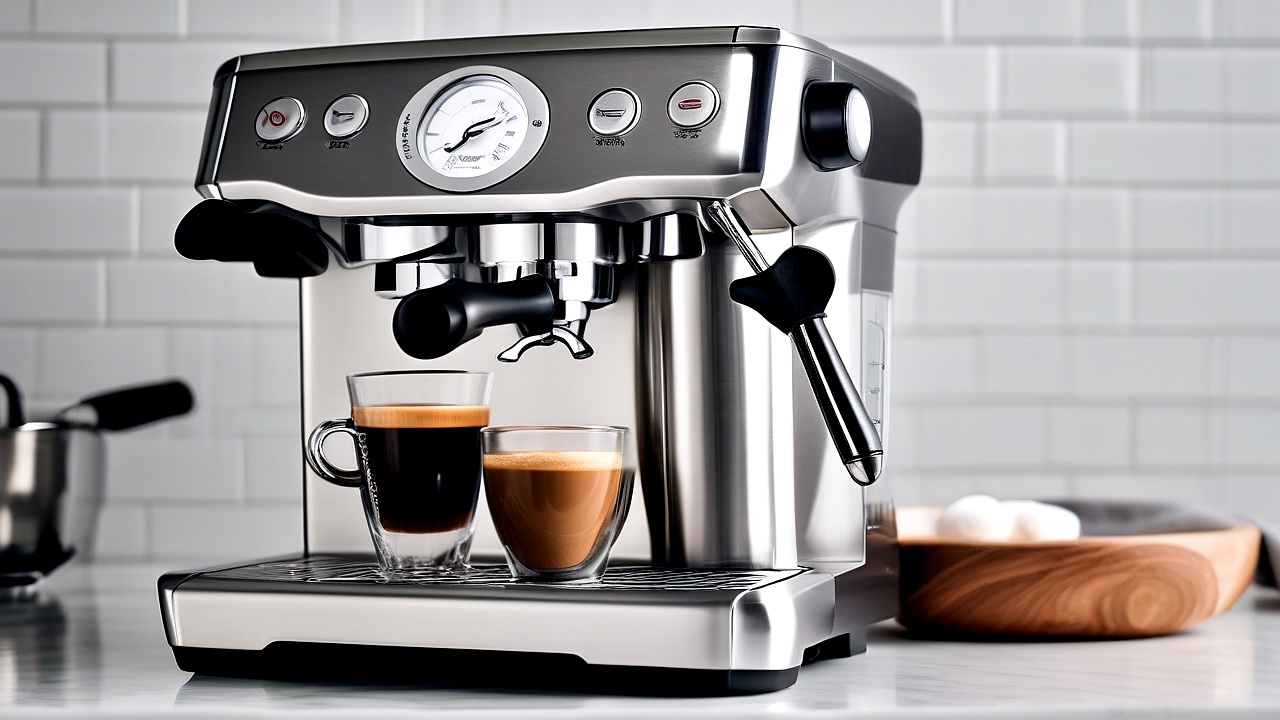
In today’s detailed guide, we’ll learn how to clean a steam wand and portafilter, what kind of cleaning solution to use, and what mistakes to avoid. Here are some tips that will help extend the life of your espresso machine.
Why is it important to clean the Steam Wand and Portafilter?
Two important parts of an espresso machine are the steam wand and the portafilter. If these are not kept clean, several problems can arise:
- Milk residue build-up: Every time milk is frothed, milk residue sticks to the steam wand. Over time, it hardens and becomes a source of bacteria.
- Coffee oil build-up: The portafilter collects oil from the coffee grounds, which accumulates over time, spoiling the taste and causing odors inside the machine.
- Blockage and performance decrease: If residue remains in the steam wand, it can clog the holes, affecting milk frothing. Similarly, if the portafilter’s filter becomes clogged, espresso extraction becomes less effective.
- Health risks: Bacterial and fungal growth can cause health problems, especially for those who drink espresso regularly.
So if not cleaned regularly, the taste, performance, and life of the espresso machine will suffer.
Steam Wand Cleaning Steps (Step-by-Step)
Cleaning the steam wand is relatively easy, but it can become a chore if not done regularly. Follow the steps below:
Step 1: Immediate Cleanup
The steam wand should be cleaned after every milk frothing. It removes milk residue before it solidifies.
Step 2: Remove Milk Residue from Wand
- Wipe the outside of the wand with a clean damp cloth or microfiber towel.
- If milk residue solidifies, remove it with a little hot water.
- Never use metal brushes or sharp objects, as they may damage the wand.
Step 3: Cleaning the Inside of the Wand
To clean the inside of the wand, follow the procedure below:
- Remove milk residue from the wand:
- Hold the wand over a clean cup or towel.
- Turn on the machine and activate steam mode. The remaining milk inside will be expelled.
- Continue this process for a few seconds until all remaining milk is removed.
- Cleaning the holes of the wand:
- Carefully clean the holes using a pin or needle.
- Never apply excessive force, as this may damage the wand.
- Deep cleaning the inside of the wand:
- Take a small bowl of hot water and add acetic acid (vinegar) or espresso machine cleaner to it.
- Dip the face of the wand into this mixture for a few seconds.
- Then turn on steam mode again and flush out the mixture.
Step 4: Rinse after cleaning
After cleaning, completely remove the cleaning solution from inside the wand. To do this, run steam mode several times to flush out any residue.
Important tips:
- Clean the wand after each use.
- Never pour liquid into the wand, as this may damage the inside of the machine.
- If the holes in the wand are not completely clean, use a espresso machine cleaning brush.
Portafilter Cleaning Steps (Step-by-Step)
The portafilter is one of the most important parts of making espresso. If it is not kept clean, the taste of the espresso will be spoiled, and bacteria may develop. Follow the steps below:
Step 1: Cleaning immediately after use
The portafilter should be cleaned after every espresso brew. It removes coffee residue before it hardens.
Step 2: Removing residue from the portafilter
- Gently pull out the portafilter by its handle.
- If coffee residue has hardened inside, soak it with a little hot water.
Step 3: Disassemble the portafilter
A portafilter generally consists of three parts:
- Basket (filter holder)
- Portafilter handle
- Pores filter (if any)
Clean these parts separately.
Step 4: Cleaning the parts
- Cleaning the basket:
- Gently remove coffee residue from the basket.
- Clean the interior using a brush or sponge.
- If residue has hardened, soak with warm, soapy water.
- Cleaning the portafilter handle:
- Use a brush to clean the inside of the handle.
- Wipe the exterior with a damp cloth.
- Cleaning the porous filter:
- If your portafilter has a porous filter, disassemble and clean it.
- Clean the inside with a brush.
Step 5: Deep cleaning
The portafilter should be deep cleaned at least once a week. Follow the procedure below:
- Using espresso machine cleaner:
- Take a bowl of warm water and add espresso machine cleaner to it.
- Soak the portafilter parts in this mixture for a few minutes.
- Using baking soda:
- If coffee oil has hardened, mix baking soda and warm water to make a paste.
- Apply this paste to the inside of the portafilter and leave it for a few minutes.
- Then clean with a brush.
Step 6: Rinse after cleaning
After cleaning, rinse all parts thoroughly and dry completely. Then reassemble and return it to the machine.
Important tips:
- Clean the portafilter after each use.
- If coffee residue has hardened, use rubbing alcohol.
- Dry the parts of the portafilter completely to prevent bacterial growth.
What type of cleaning solution to use?
A variety of cleaning solutions are available for cleaning espresso machines. Below is a list of some popular cleaning agents:
| Cleaning Agent | Usage | Features | Disadvantage |
|---|---|---|---|
| Espresso Machine Cleaner | Used to clean the portafilter, basket, and steam wand. | Specifically designed for espresso machines, safe and effective. | Can be expensive. |
| Vinegar (Acetic Acid) | Used to clean the inside of the steam wand. | Affordable and readily available, helps kill bacteria. | Must be rinsed thoroughly after use, otherwise it may affect coffee taste. |
| Baking Soda | Used to clean the inside of the portafilter. | Natural and safe, helps remove coffee oils and odors. | May be less effective on tough stains. |
| Dish Soap (Mild Detergent) | Used to clean all types of parts. | Commonly found in most homes, gentle and safe. | Not strong enough for deep cleaning. |
| Coffee Machine Descaler | Used to clean internal parts of the machine, such as the boiler and water tank. | Removes mineral buildup, extending the machine’s lifespan. | Made for specific brands, may not be suitable for all machines. |
Choosing the right cleaning solution
Not all cleaning agents are equally effective. Which cleaner is best for your espresso machine depends on a few factors:
- Machine brand and model: Some cleaners are made for specific brands of machines. For example, De’Longhi or Breville machines work best with their own cleaners.
- Type of cleaning: If you only clean the exterior, dish soap is sufficient. But for interior cleaning, a descaler or espresso machine cleaner is needed.
- Eco-friendly options: If you prefer natural ingredients, you can use baking soda or vinegar. Just be sure to rinse well after use.
- Cost: Espresso machine cleaner or descaler can be quite expensive, so choose a cleaner that fits your budget.
Proper rules for using cleaning solutions
A few important rules should be followed when using cleaning agents. Failure to do so may damage the machine or spoil the flavor.
- Follow the guidelines: Each cleaner has specific usage guidelines. For example, vinegar must be rinsed with clean water after use, or it may affect the coffee’s taste.
- Use the correct amount: Using too much cleaner can damage the machine. Always follow the manufacturer’s recommended dosage.
- Take safety measures: Wear gloves when using cleaning agents and avoid contact with your eyes. Be especially careful when using descaler or strong cleaners.
- Rinse after cleaning: Be sure to rinse all parts of the machine thoroughly after using the cleaner. Any residue may be harmful to health.
Natural cleaning methods for espresso machines
Many people avoid chemical cleaners and prefer to clean espresso machines naturally. Natural cleaning methods are effective and eco-friendly. Below are some simple and effective methods:
Using lemon juice
Lemon juice is an excellent natural way to clean the espresso machine. It helps kill bacteria and removes bad odors.
- How to use:
- Mix the juice of one lemon with an equal amount of water.
- Pour this mixture inside the steam wand and leave it for a few minutes.
- Then rinse thoroughly.
- Benefits:
- Natural and healthy.
- Eliminates odors.
- Affordable and readily available.
Cleaning with salt and ice
Salt and ice help clean the interior of the espresso machine. This method is especially suitable for the portafilter.
- How to use:
- Fill the portafilter with a few spoonfuls of salt and a few ice cubes.
- Then rinse with water several times.
- This method removes coffee oil and odor.
- Benefits:
- Safe for health due to the use of natural ingredients.
- Cost-effective.
Using soapy water to remove coffee oil
Coffee oil accumulates on the interior of the espresso machine, and soapy water can be used to remove it.
- How to use:
- Take warm water in a clean cup and add a few drops of mild detergent to it.
- Soak the portafilter parts in this water for a few minutes.
- Then scrub clean with a brush.
- Benefits:
- Removes coffee oil and odor.
- Affordable and readily available.
Price and availability of cleaning solutions
A variety of cleaning solutions are available in the market, varying in price and quality. Below is an idea of the prices and availability of some popular cleaners in the US:
| Cleaning Agent | Average Price (USD) | Availability | Best Brands |
|---|---|---|---|
| Espresso Machine Cleaner | $10–$30 USD | Online (Amazon, Walmart), local kitchen supply stores | Cafiza, Urnex |
| Vinegar (Acetic Acid) | $2–$5 USD | All grocery stores, supermarkets | Heinz, Bragg |
| Baking Soda | $1–$3 USD | All grocery stores, supermarkets | Arm & Hammer |
| Dish Soap | $2–$5 USD | All grocery stores, supermarkets | Dawn, Seventh Generation |
| Coffee Machine Descaler | $8–$20 USD | Online (Amazon, Walmart), local kitchen supply stores | Urnex, Dezcal |
Common mistakes when using cleaning solutions
Many espresso machine owners make common mistakes while cleaning, which can damage the machine or reduce its cleaning effectiveness. Below are some common mistakes and their solutions:
- Using too much cleaner:
Many people think that using more cleaner will clean better. However, this is not the case. Using too much cleaner can damage the interior of the machine and spoil the taste. Always follow the manufacturer’s recommended dosage.
- Not rinsing after cleaning:
Be sure to rinse all parts of the machine thoroughly after using the cleaner. Any residue can be harmful to health and spoil the taste of the coffee.
- Choosing the wrong cleaner:
Not all cleaners are suitable for all machines. For example, a descaler may not work on all machines. So, select the cleaner according to the brand and model of the machine.
- Not being careful while cleaning:
Wear gloves when using cleaning agents and avoid contact with your eyes. Be especially careful when using strong cleaners.
Conclusion
Cleaning the steam wand and portafilter of the espresso machine is an important task that ensures the best taste and performance. Regular cleaning prevents residue buildup, bacteria, and clogs, extending the machine’s lifespan. By following the steps and tips in this guide, you can maintain your espresso machine effectively and enjoy great-tasting coffee every time.

About the Author
Hi I am an Engineer I have passed my diploma in Engineering in 2007. Academically I have studied about home appliances and various motors and machineries. In 2012 I have started my blogging and learned a lot of things about home appliances especially washing appliances, washing and cleaning related products, and eequipments. In 2019 I have started my blog https://appliancesky.com to provide my research and experience with my fan and followers.