The Complete Guide to Preventing Mold, Mildew and Bacterial Growth: For Home Appliances and Kitchens
Introduction: Why are these issues important?
The growth of mold, mildew, and bacteria indoors or on kitchen appliances is not only uncomfortable, but can also be harmful to health. Appliances that are regularly exposed to water or moisture—such as refrigerators, washing machines, air conditioners, coffee makers, or rice cookers—develop bacteria and fungi quickly.
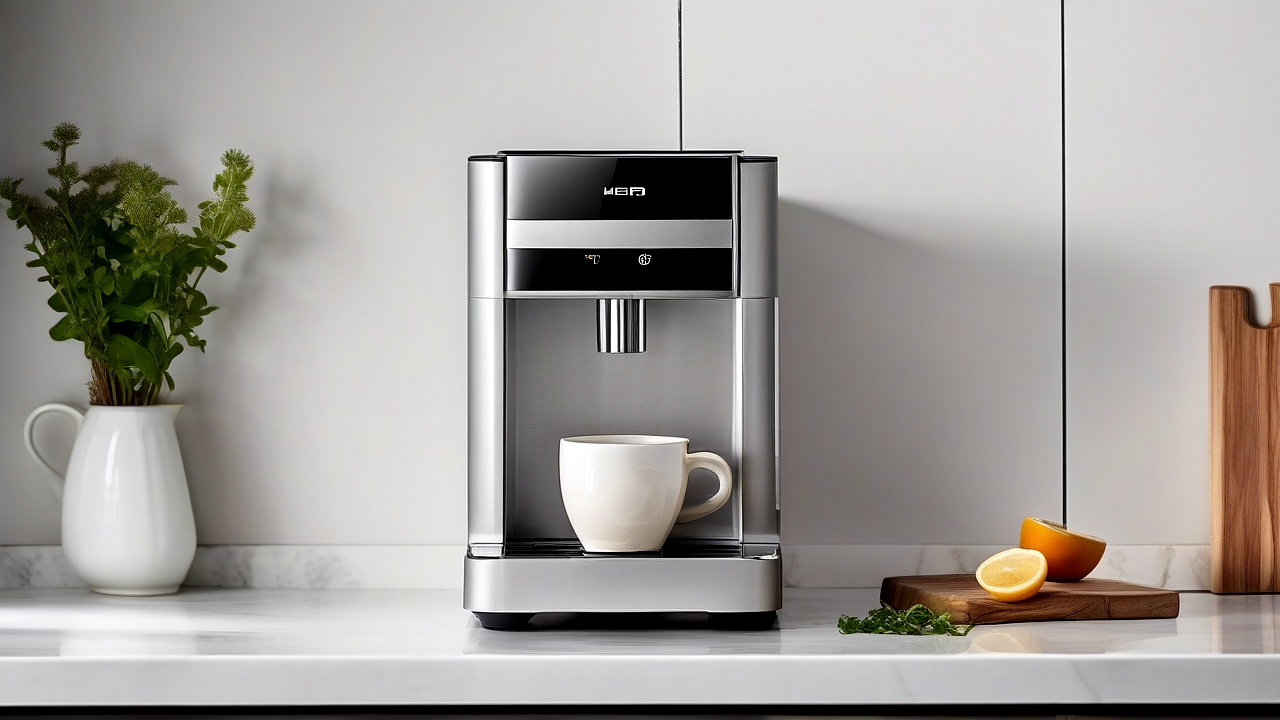
In this article we discuss how to prevent the growth of these harmful germs, which appliances are most at risk, and how to keep the home healthy with regular maintenance.
Why does mold, mildew and bacteria grow?
The main reason for the growth of mold, mildew and bacteria is lack of proper humidity and temperature control. When equipment or a space is wet for a long time or the humidity level is more than 60%, these harmful germs begin to grow rapidly.
Main reasons:
- High Humidity: A humidity of more than 60% creates an ideal environment for the growth of bacteria and fungi.
- Water Accumulation: Bacteria grow when water accumulates in the drip tray of the refrigerator, inside the washing machine, or in the drain pipe of the air conditioner.
- Lack of adequate light and air circulation (Poor Ventilation): Where there is little air circulation, humidity increases quickly.
- Dirty Appliances: Food particles, oil, or dust accumulate inside appliances that are not cleaned regularly and become a source of bacteria.
- Lack of temperature control (Temperature Fluctuations): Regular temperature changes in appliances like refrigerators create opportunities for bacteria to grow.
Which devices are most vulnerable?
While all types of equipment are exposed to moisture, some are particularly vulnerable. Below is a list of appliances that require regular maintenance:
| Appliance | Risk Factor | Countermeasures |
|---|---|---|
| Refrigerator | Bacterial growth due to accumulation of moisture and food particles on drip trays, seals, and interior surfaces | Weekly cleaning, seal check, and moisture control |
| Washing Machine | Bacterial and mildew growth on drums, detergent dispensers, and drain pipes | Running a hot wash every month, cleaning the interior, and cleaning the drain pipe |
| Air Conditioner | Moisture build-up in filters and coils leads to bacterial growth | Filter cleaning and coil cleaning every two months |
| Coffee Maker | Bacterial growth in waterlogged areas | Cleaning and descaling the interior every week |
| Rice Cooker | Bacterial growth due to accumulation of rice particles and moisture in the inner part | Clean and dry the interior after each use |
| Microwave Oven | Bacterial growth on food particles and moisture accumulation | Internal cleaning and steam cleaning after every use |
| Dishwasher | Bacterial growth due to accumulation of food particles and moisture in drums and filters | Interior cleaning and filter cleaning every month |
Effective ways to prevent mold, mildew and bacterial growth
1. Humidity control
Controlling humidity is the most effective way to prevent mold and bacterial growth. Humidity levels should be kept between 40-50%.
- Use a Dehumidifier: Use a dehumidifier to control the humidity in the room. It is especially helpful during monsoons.
- Improve Ventilation: Open windows regularly or use exhaust fans to allow air to circulate.
- Use Air Conditioner: Air conditioners help in controlling humidity. Clean the filter regularly.
2. Regular cleaning and maintenance
Each appliance requires different maintenance. Below are some general tips:
Refrigerator Care:
- Clean the inside of the refrigerator every week. Cleaning with hot water and vinegar removes bacteria.
- Clean the drip tray regularly.
- Check the seal of the refrigerator. If the seal is damaged, humidity increases.
- Follow food storage rules. Keep raw meat and fish separate.
Washing Machine Care:
- Run a hot wash once every month. It eliminates bacteria and mildew.
- Clean the detergent dispenser and drum regularly.
- Clean the drain pipe so that water does not accumulate.
- Keep the door and seal open after using the machine to allow the interior to dry.
Air Conditioner Maintenance:
- Clean the filter every two months.
- Clean the coil to prevent moisture build-up.
- Clean the drain pipe so that water does not accumulate.
3. Cleaning in natural ways
Bacteria and fungus can also be eliminated using natural ingredients instead of chemical cleaners.
- Vinegar: Vinegar is a natural disinfectant. Cleaning the inside of refrigerators, washing machines, or air conditioners with vinegar removes bacteria.
- Baking Soda: Baking soda removes odors as well as prevents bacterial growth. Keeping baking soda inside the fridge helps control humidity.
- Lemon Juice: Lemon juice acts as a natural deodorizer in addition to eliminating bacteria. Use lemon juice to clean coffee makers or microwaves.
- Tea Tree Oil: Tea tree oil is a powerful antibacterial ingredient. Clean the inside of the appliance by spraying it with water.
4. Proper use and storage of equipment
Proper use and storage of utensils also helps prevent bacterial growth.
- Control the refrigerator temperature: Keep the refrigerator temperature below 4°C (39°F) to prevent bacterial growth.
- Follow food storage rules: Keep raw meat and fish separate. Use airtight containers to store food.
- Control washing machine detergent: Using excess detergent can cause bacteria to build up in the drum residue. Use the amount of detergent indicated.
- Keep the air conditioner on regularly: If the air conditioner is turned off for a long time, moisture accumulates in the coil and bacteria grows. Keep it on regularly.
Step-by-Step Guide to Removing Mold and Mildew
Step 3: Start the cleanup process
After spraying vinegar or bleach on the affected area, start the main cleaning process. First, scrub gently with a brush or sponge to clean the deeper layers of mold or mildew. If there’s a lot of mold in an area, use an old toothbrush instead of a brush—it can clean small areas more effectively.
Be sure to wash the area thoroughly after cleaning. If cleaning the refrigerator seal, dry the seal after cleaning to prevent re-moisture. In the case of washing machines, open the drum after cleaning to allow moisture to escape.
Step 4: Disinfectant application and retest
You can use hydrogen peroxide (3%) instead of vinegar or bleach as a disinfectant after cleaning. It is effective against mold and bacteria. Spray the affected area with hydrogen peroxide in a spray bottle and wait 10 minutes. Then rub again with a brush and wash.
After cleaning, be sure to check whether the mold or mildew is completely removed. If any part is still stained, follow the cleaning process again. In the case of refrigerators, keep the temperature inside the refrigerator normal after cleaning so that moisture does not accumulate.
Step 5: Taking preventive measures
After eliminating mold and mildew, be sure to take preventive measures to prevent the problem from recurring. For this, follow the steps below:
- Humidity control: Keep room humidity below 50%. You can use an air dehumidifier or open windows regularly to ensure ventilation.
- Regular cleaning: Clean appliances like refrigerators, washing machines, air conditioners, etc. regularly. Especially keep the washing machine drum and refrigerator seal clean regularly.
- Proper storage: When storing food in the refrigerator, cover it well and control the temperature inside the refrigerator.
- Natural prevention: Spray regularly with white vinegar or tea tree oil to prevent mold regrowth.
Best Products to Remove Mold and Mildew
A variety of mold and mildew removal products are available in the market. Some of these popular products are listed below:
| Product Name | Use | Price Range | Features |
|---|---|---|---|
| Clorox Mold & Mildew Remover | For bathroom, refrigerator, washing machine, etc. | $10–$15 USD | Fast-acting, effective as a disinfectant |
| Star Brite Mold & Mildew Stain Remover | For air conditioner, water tank, etc. | $15–$20 USD | Can remove deep-seated blemishes |
| White Vinegar | As a natural disinfectant | $2–$5 USD | Non-toxic, eco-friendly |
| Tea Tree Oil | As a natural deterrent | $8–$15 USD | Prevents mold growth |
Additional Tips for Preventing Mold in Home Appliances
Cleaning alone is not enough to prevent mold and mildew—some additional steps are required. Below are some effective tips:
Additional tips for refrigerators
- Food storage: Cover food well when storing in the refrigerator to prevent moisture build-up. Use separate containers especially for vegetables and fruits.
- Defrosting: Defrost the freezer section of the refrigerator regularly to prevent ice build-up.
- Seal check: Check the refrigerator seal regularly. If the seal is damaged, replace it promptly.
Additional tips for washing machines
- Drum drying: After using the washing machine, open the drum to allow moisture to escape.
- Detergent selection: Do not use detergents that create excessive foam. Use a low-sudsing detergent instead.
- Regular cleaning: Clean the inside of the washing machine at least once a month. Especially the bottom of the detergent dispenser and drum.
Additional tips for air conditioners
- Clean the filter: Clean the air conditioner filter regularly. If the filter becomes too dirty, replace it.
- Clean the coils: Clean the air conditioner coils regularly to prevent moisture build-up and mold growth.
- Drain pipe check: Make sure that the drain pipe of the air conditioner is not blocked. If the pipe is blocked, water accumulates and humidity increases.
Frequently Asked Questions (FAQ)
Here are some common questions and answers about mold and mildew:
Question 1: Are mold and mildew the same thing?
No, mold and mildew are not the same thing. Mold is a type of fungus that can be of different colors and usually grows in deeper layers. Mildew, on the other hand, is a type of fungus that is usually white or gray in color and is more common on surfaces.
Question 2: What is the most effective way to remove mold?
The most effective way to remove mold is to use vinegar or bleach. However, if the mold is at a deeper level, hydrogen peroxide can be used.
Question 3: Can mold come back after removal?
Yes, if humidity is not controlled and appliances are not cleaned regularly, mold can return. So it is important to take preventive measures.
Question 4: What are natural ways to remove mold?
Yes, it is possible to get rid of mold naturally. Natural ingredients like vinegar, tea tree oil, baking soda, etc. are effective in removing mold. However, if the mold is at a deeper level, it is necessary to use chemical agents.
Conclusion
Preventing and eliminating the growth of mold, mildew and bacteria is important, especially when it affects our home appliances and kitchen. These problems are not only harmful to health, but also shorten the life of the equipment. So regular cleaning, humidity control and proper care are important.
If you want to remove mold and mildew from refrigerators, washing machines, air conditioners, etc., follow the above steps. Use natural remedies like vinegar, tea tree oil, etc. or you can use effective products available in the market. But the most important thing is to take preventive measures—so that the problem does not recur.
Regularly maintain and control humidity to keep your home appliances free from mold and mildew. If the problem is more serious, seek expert advice. Remember, a clean and hygienic environment is important not only for your health, but also for your appliances.

About the Author
Hi I am an Engineer I have passed my diploma in Engineering in 2007. Academically I have studied about home appliances and various motors and machineries. In 2012 I have started my blogging and learned a lot of things about home appliances especially washing appliances, washing and cleaning related products, and eequipments. In 2019 I have started my blog https://appliancesky.com to provide my research and experience with my fan and followers.