Dryer Lint Burning Smell: Causes, Urgent Steps, and Prevention
Introduction: Why is the burning smell of dryer lint dangerous?
After your washing machine, the dryer is one of the most used household appliances. But whenever you notice a burning smell coming from the dryer, you should know that there is a problem. Not only is this smell unpleasant, it can actually be a sign of a fire hazard. In most cases this problem is caused by lint accumulation or overheating of electrical parts.
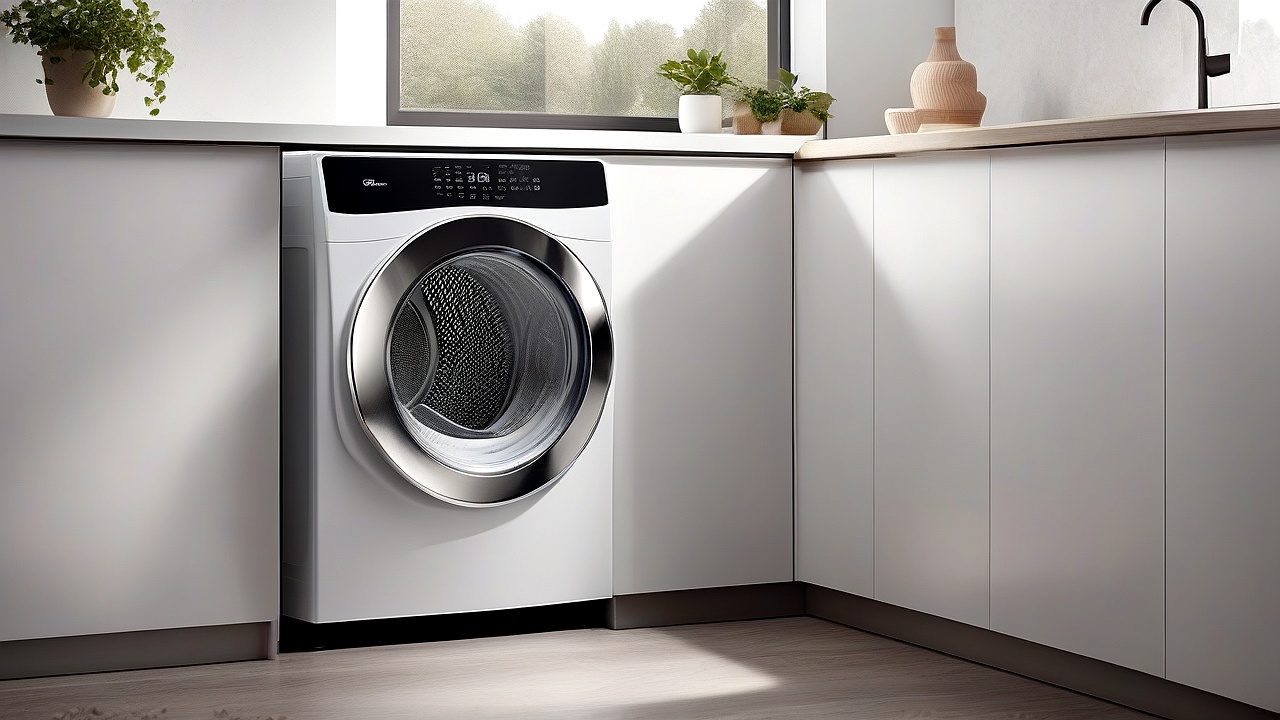
In today’s article, we will learn why dryer lint smells burnt, the reasons behind it, and most importantly—the solutions to this problem. There will be some preventive maintenance tips to avoid such problems in the future.
Main Causes of Burning Odor from Dryer Lint
There are several common reasons behind a burning smell coming from the dryer. They are discussed in detail below:
1. Excess lint accumulation in lint traps and ducts
The lint that comes out of the clothes during the use of the dryer is usually deposited in the lint trap. But if not cleaned regularly, this lint gets into the venting system of the dryer and accumulates there. Over time this accumulated lint heats when exposed to oxygen and creates a burning smell.
Also, if the vent pipe of the dryer is bent or obstructed in some way, lint can get stuck there and overheat.
2. Overheating of dryer electrical parts
A burning smell can occur when the heating element, thermostat, or motor inside the dryer overheats. The reasons for this can be:
- Blocked vents: If the vent system is not working properly, hot air cannot escape and excess pressure builds up inside the device. As a result the electrical parts get hot.
- Thermostat problems: If the thermostat is not working properly, the dryer can become hotter than necessary.
- Motor problems: If the motor bearings or other parts are corroded, excessive heat can be generated due to friction.
3. Obstruction of dryer venting system
The dryer’s venting system is the path through which hot air escapes. If this path is obstructed in any way (such as bird nests, dust, or kinked pipes), the hot air cannot escape and pressure builds up inside the machine. As a result, the hot air burns the lint and creates a burning smell.
4. Sparking electricity inside the dryer
If a wire inside the dryer comes loose or a part corrodes, electrical sparking may occur. This sparking can cause a burning smell and cause a fire.
5. Initial smell when using a new dryer
If you’ve recently purchased a new dryer, there may be an odor during the first few uses. This usually comes from the oil or coating on the new parts. However, this smell should go away after a few uses. If it doesn’t, there may be another problem.
What to Do If You Notice a Burning Smell from Your Dryer: Urgent Steps
Whenever you notice a burning smell coming from your dryer, that is the time to take action and not ignore it. Follow the steps below:
Step 1: Turn off the dryer and unplug it
First switch off the dryer and unplug it from the power supply. This will ensure that the device cannot be damaged while running.
Step 3: Check the venting system
Check the dryer vent pipe. If it is bent or obstructed in any way, straighten it. Also, clean the end of the vent pipe. If possible, open the vent pipe completely and clean the lint from the inside.
Step 4: Check the inside of the dryer
Check for lint build-up inside the dryer. If lint accumulates, remove it. Also, check the inside of the dryer for signs of corrosion or damage. If any wire is loose or corroded, it must be repaired.
Step 5: Restart the dryer and observe
After cleaning everything, restart the dryer. If there is no burning smell, then the problem is solved. But if the smell persists, there may be a deeper problem.
Step 6: Seek the help of a professional technician
If following the above steps still doesn’t solve the problem, seek the help of a professional technician. He will check the electrical parts inside the dryer and repair if necessary.
How to prevent burnt smell from dryer lint
Follow some routine maintenance tips to prevent this problem:
1. Clean the lint trap regularly
Clean the lint trap after each use of the dryer. This will prevent lint accumulation.
2. Clean the vent pipe regularly
Clean the vent pipe every 6 months. If possible, have the vent system thoroughly cleaned with the help of a professional technician.
3. Keep the area around the dryer clean
Do not allow dust to accumulate around the dryer. Clean regularly to prevent blockage of the vent system.
4. Do not put extra clothes in the dryer
Do not put excess clothes in the dryer. This puts extra stress on the machine and increases lint generation.
5. Keep dryer vent pipe straight
Make sure the dryer vent pipe is straight. If it is crooked, straighten it or replace it.
Dryer Maintenance Checklist
You can perform regular dryer maintenance by following the table below:
| maintenance task | Frequency | Details |
|---|---|---|
| Clean the lint trap | After every use | Remove and rinse the lint from the lint trap. |
| vent pipe clean | every 6 months | Remove lint from vent pipe and clean. |
| Clean around the dryer | per month | Remove dust from around the dryer. |
| Dryer vent system test | every year | Have the vent system thoroughly cleaned by a professional technician. |
| Dryer Electrical Parts Test | every 2 years | Check the condition of the thermostat, heating element, and motor. |
What is the fire risk from the dryer?
The risk of fire from dryers is high. According to the National Fire Protection Association (NFPA) in the United States, an average of 2,900 dryer fires occur each year and cause approximately $35 million in damages.
The main causes of dryer fires are:
- Lint buildup and overheating.
- Obstruction of vent system.
- Problems with electrical parts.
- Sparking in the interior of the dryer.
So, always be careful while using the dryer and do regular maintenance.
What to consider when buying a dryer?
If you are looking to buy a new dryer, consider the following. Because choosing a good dryer is not just about saving energy, but also about long-term safety and performance. Let’s take a closer look at what matters to you.
1. Type of dryer
The two main types of dryers are:
- Vented Dryer: This type of dryer vents hot air outside. It is usually inexpensive, but keeping the vent system clean is important. Otherwise lint accumulation increases the risk of fire. This type of dryer is used in most older homes.
- Ventless Dryer: In this type of dryer, hot air is reused, so no vent is required. It is ideal for small apartments or where there is no vent system. However, it is somewhat expensive and the power consumption may be high.
- Condenser Dryer: These dryers are between ventless and vented dryers. Here the hot air is cooled through the condenser and comes out as water. It is relatively more expensive but safe and convenient.
- Heat Pump Dryer: The most energy-efficient dryers reduce electricity consumption. It is cost effective in the long run but the initial cost is high. It is popular in Europe.
2. Capacity and size selection
Dryer capacity depends on your household size and usage. Usually:
- Small family (2-3 people): 5-7 kg capacity dryer is sufficient.
- Medium family (4-5 people): 8-10 kg capacity dryer required.
- Large family (6+ people): Choose a dryer with 11kg or more capacity.
Dryer size is important as well as capacity. Choose compact models for apartments, and use standard-sized dryers for larger homes.
3. Energy saving and rating
Check the Energy Star Rating when buying a dryer. This indicates how energy efficient the dryer is. Usually:
- Energy Star certified dryers save up to 20% on electricity.
- Inverter Compressor dryers are more efficient.
- Auto Sensor feature automatically stops the dryer depending on the moisture content of the fabric, which saves electricity.
Choose a Heat Pump or Condenser dryer to reduce electricity consumption.
4. Noise Level
Consider the noise level when running the dryer, especially if your home is small or you have children. Usually:
- Below 40 decibels is very quiet.
- 40-50 decibels is moderate noise.
- More than 50 decibels can be a bit annoying.
Modern dryers use inverter motors, which greatly reduce the noise level.
5. Brand and Warranty
There are different brands of dryers available in the market, such as LG, Samsung, Bosch, Frigidaire, Haier etc. Each brand has its own advantages:
- LG and Samsung: Advanced technology and durable.
- Bosch: German engineering, high quality construction.
- Frigidaire: Good quality at affordable and moderate prices.
- Haier: Good performance at a low price.
Be sure to check the warranty before buying. Usually 1-2 years warranty is given. Some brands offer additional services.
6. Additional features
Modern dryers have various additional features, which make life easier. For example:
- Steam Clean: Sterilizes clothes.
- Wi-Fi Connectivity: Can be controlled from a smartphone.
- Sensor Dry: Stops automatically according to the moisture content of the fabric.
- Child Lock: Protects children from unintended use.
- Delay Start: Facility to start dryer at a specific time.
7. Price and budget
Dryer prices depend on brand, capacity, technology and features. Usually:
- Vented Dryer: $200 USD to $400 USD.
- Ventless/Condenser Dryer: $400 USD to $1,000 USD.
- Heat Pump Dryer: $800 USD to $1,500 USD.
Choose the best dryer according to your budget. However, look more at quality than price.
Comparison Table for Dryer Selection
| Subject | Vented dryer | Ventless Dryer | Condenser dryer | Heat Pump Dryer |
|---|---|---|---|---|
| Price | Cheap ($200 USD to $400 USD) | Medium ($400 USD to $700 USD) | High ($500 USD to $1,000 USD) | Highest ($800 USD to $1,500 USD) |
| Power consumption | High | Medium | Medium | lowest |
| Installation | Vent required | No vent required | No vent required | No vent required |
| Sound level | Medium | High | Medium | Very low |
| Maintenance | Vents to be cleaned | Very low maintenance | Intermediate Maintenance | Very low maintenance |
| Ideal space | Large home, vented space | Small apartment, in unvented space | any place | If you prefer advanced technology |
Final advice
When choosing a dryer, consider not just price, but your needs, living environment and long-term benefits. If your family is small and you want to reduce electricity consumption, then a heat pump dryer can be an ideal choice. And if the budget is low, then you can start with a vented dryer. But before buying any dryer, be sure to check user reviews and seek expert advice if needed.
Conclusion
Dryer burning odors are a common problem but can be dangerous if ignored. This is because it increases the risk of fire and shortens the life of the dryer. Regular cleaning of lint, checking the vent system and using the dryer correctly are very important to solve this problem. There are many factors to consider when buying a new dryer, such as dryer type, capacity, energy efficiency, brand and additional features.
Choose the right dryer based on your living space and needs. If the problem persists, seek the help of a professional technician. Remember, regular maintenance and proper use will keep your dryer long-lasting and safe. So take a look at your dryer now and take necessary action.

About the Author
Hi I am an Engineer I have passed my diploma in Engineering in 2007. Academically I have studied about home appliances and various motors and machineries. In 2012 I have started my blogging and learned a lot of things about home appliances especially washing appliances, washing and cleaning related products, and eequipments. In 2019 I have started my blog https://appliancesky.com to provide my research and experience with my fan and followers.