The Complete Guide to Cleaning Dishwasher Filters and Sump Basins: Like New
Introduction: Why is it important to clean dishwasher filters regularly?
If your dishwasher is making a lot of noise, leaving food residue, or starting to smell, it’s time to clean the filter and sump basin. If not cleaned regularly, food particles accumulate in the filters and disrupt water circulation, resulting in dishes not being washed properly. Besides, the possibility of growth of bacteria and fungi increases, which is harmful to health.
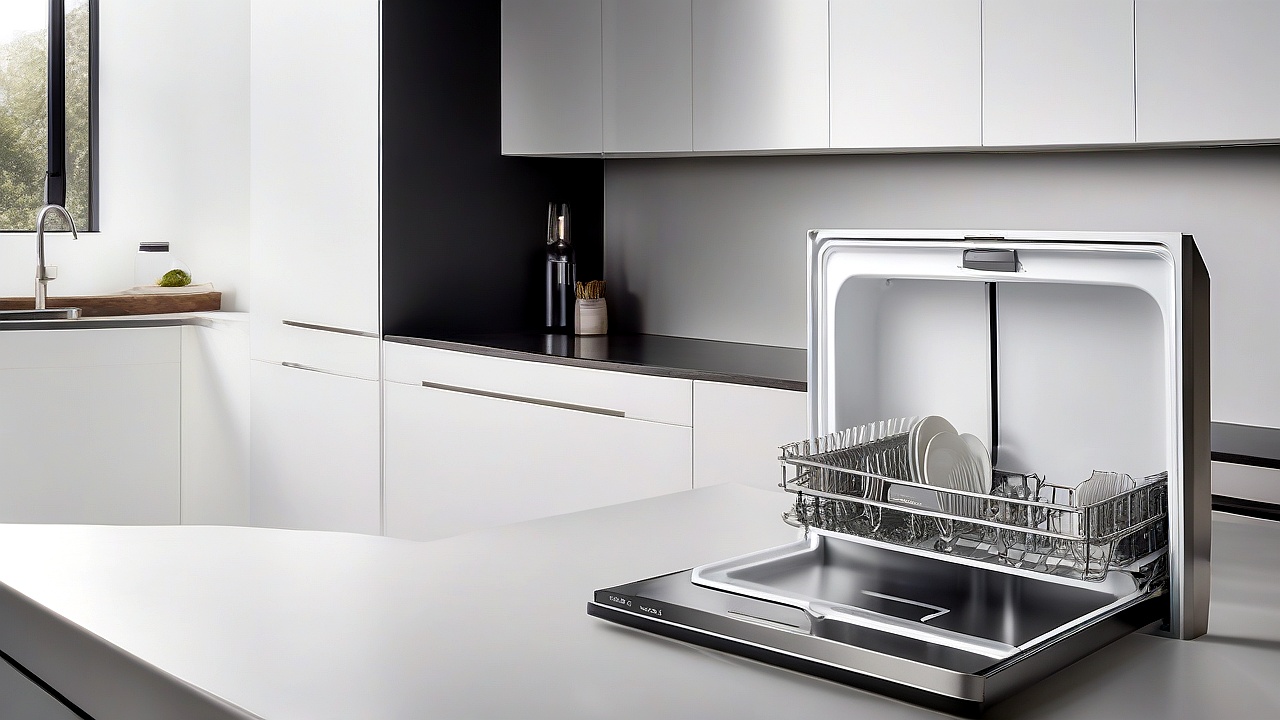
In this guide we will learn how to clean non-removable dishwasher filters and sump basins step by step, what type of cleaner is best to use, and how to avoid this problem in the future.
Dishwasher Filter and Sump Basin Basics
What are the types of dishwasher filters?
Most dishwashers have three types of filters:
- Microfilter: The finest filter, which retains tiny food particles.
- Macrofilter:
- Sump Basin: The bottom part of the dishwasher where water collects and the filters are located.
Why do filters and sump basins need to be cleaned?
If the filters are not kept clean:
- Food residue can cause foul odors.
- Dishes will not wash properly, requiring repeated washing.
- The dishwasher’s pump motor can be damaged by excessive pressure.
- Energy consumption increases, resulting in higher electricity bills.
How to clean dishwasher filter and sump basin step by step
Step 1: Turn off the dishwasher and disconnect the power
Always turn off the power supply before starting any cleaning work. Also, turn off the water supply so that no water comes in during cleaning.
Step 2: Remove the bottom tray and sprayers
Remove the lower rack and spray arms from inside the dishwasher. These are usually removable.
Step 3: Open the filter assembly
At the bottom of the dishwasher is a filter assembly. Most models are fitted with a twist-lock system. Unscrew the filter by turning it counterclockwise.
Important: Be careful not to break any parts when opening the filter. If the filter becomes tight, it is better not to pull it with force.
Step 4: Take the filters apart and clean them
The filter assembly usually consists of three parts:
- Upper Filter: Retains coarse food particles.
- Lower Filter: Retains fine particles.
- Fine Filter: Retains the smallest particles.
Wash each filter separately with warm water and mild dish soap. If hard food particles are stuck to the filter, use a soft-bristle brush.
Step 5: Clean the sump basin
Opening the filter will reveal an opening at the bottom—this is the sump basin. Here water collects, and food particles from the filters accumulate.
Wipe the inside of the sump basin with a sponge or soft cloth. If any solid food particles are stuck, use a plastic scraper. Never use metal objects, as they may cause scratches.
Step 6: Reapply filter
When all the filters are thoroughly cleaned, put them back in their proper place. Lock the filter by turning it clockwise.
Step 7: Turn on the dishwasher and test
Reattach dishwasher trays and sprayers. Then turn on the dishwasher and run an empty cycle to see if everything is working properly.
Best Cleaning Agents for Cleaning Dishwasher Filters
Commercial Cleaner
There are many types of dishwasher cleaners available in the market, such as:
- Finish Dishwasher Cleaner – Specially formulated for dishwashers.
- Affresh Dishwasher Cleaner – Eliminates fungus and odors.
- Lemi Shine Dishwasher Cleaner – Made with natural ingredients.
Domestic way
If commercial cleaners are not available, homemade ingredients can also be used:
- White Vinegar: Pour one cup of vinegar into the sump basin and run an empty cycle. It removes odors and helps kill germs.
- Baking Soda: Spread a spoonful of baking soda in the sump basin and let it sit for a few hours. Then rinse.
- Dish Soap + Hot Water: Soak the filters in hot water with a little dish soap. Then clean with a brush.
How often should the filter be cleaned?
Dishwasher use depends on cleaning frequency:
- Every week: If the dishwasher is used daily, the filter should be cleaned at least once a week.
- Monthly: If used a few times a week, cleaning once a month is fine.
- Every three months: If used sparingly, clean every three months.
Mistakes to avoid when cleaning dishwasher filters
Many people make some simple mistakes when cleaning the filter, which can damage the dishwasher. For example:
- Using a metal brush or scraper: This may scratch the surface of the filter.
- Using harsh chemicals: Using chlorine bleach or strong detergents can damage the filter.
- Forcing the filter open: If the filter becomes tight, it is better not to pull it.
- Cleaning with the dishwasher running: Cleaning without disconnecting the power can be dangerous.
Some more tips to extend the life of your dishwasher
Cleaning the filter as well as taking other care of the dishwasher will keep it working well for a long time:
- Running the empty cycle once a month: This helps keep the inside of the dishwasher clean.
- Removing food residue: Remove large pieces of food before putting dishes in the dishwasher.
- Using the right amount of detergent: Using too much detergent can cause foaming, which can damage the filter.
- Keeping the dishwasher door open: Leaving the door open after use dries the inside and removes odors.
Tools needed for cleaning dishwasher filters
Cleaning the filter requires some basic equipment:
| Tools | Usage |
|---|---|
| Soft-Bristle Brush | To clean the filter holes |
| Plastic Scraper | To remove solid food particles from the sump basin |
| Microfiber Cloth | To wipe the wet parts |
| White Vinegar | To eliminate odors |
| Baking Soda | as a disinfectant |
| Mild Dish Soap | to wash the filter |
Frequently Asked Questions (FAQ)
Question 4: Should dishwasher filters be replaced after cleaning?
Yes, if the filter is not properly reattached after cleaning, the performance of the dishwasher may be impaired. Most dishwashers have a filter assembly that must conform to certain specifications. Typically, the filters are locked back into place by turning them clockwise. If the filter is not installed properly, the water inside the dishwasher will not flow properly, and the cleaning efficiency will decrease. So be careful when refitting the filter after cleaning and refer to the user manual if necessary.
Question 5: What type of detergent should be used to clean the filter?
Special detergents should not be used to clean dishwasher filters. Usually, using warm water and mild soap or vinegar is enough. However, if the filter is heavily soiled, commercial dishwasher cleaner can be used. But be careful that the cleaner is not overly alkaline, as it can damage the filter material. Always use dishwasher-specific cleaners.
Question 6: Can the dishwasher be turned on immediately after cleaning the dishwasher filter?
Yes, the dishwasher can be turned on immediately after cleaning the filter. However, if you have used vinegar or other cleaning agents, check the dishwasher for any residue. If there is any residue, remove it. Also, after reinstalling the filter, leave the dishwasher door open for a while to allow the interior to dry completely. Then turn on the dishwasher.
Question 7: Is there any special equipment needed to clean dishwasher filters?
No, cleaning dishwasher filters does not require any special equipment. Generally, the filter can be cleaned using a soft brush, sponge, and warm water. However, if the filter is very dirty, a toothbrush or small brush can be used. Alternatively, vinegar or lemon juice can also be used to clean the filter. However, avoid using hard brushes or metal objects, as they may damage the filter.
—
Common problems when cleaning dishwasher filters
Problems that occur when cleaning filters and their solutions
There are several common problems to face when cleaning dishwasher filters. For example:
- Hardening of the filter: Many times the filter becomes hardened and cannot be opened easily. This can be caused by dirt accumulation or overuse. In this case, gently rotate the filter. If that doesn’t open, check the user manual or contact customer support.
- Filter breakage: Hard brushes or excessive force can cause filter breakage. So always use a soft brush and avoid applying excessive force.
- Problems in refitting the filter: Many people do not fit the filter properly when refitting. As a result, the performance of the dishwasher decreases. In this case, check the user manual or watch online video tutorials.
- Odor not going away: If the odor persists after cleaning the filter, check the inside of the dishwasher. Remove any food particles. Also, you can run an empty cycle using vinegar.
Precautions to be taken when cleaning the filter
Some precautions should be taken when cleaning the dishwasher filter. For example:
- Disconnect the power: Be sure to disconnect the dishwasher before cleaning the filter. It can avoid electrical accidents.
- Use a soft brush: Using a hard brush or metal object can damage the filter. Always use a soft brush.
- Do not apply excessive force: Do not apply excessive force when opening or cleaning the filter. This may break the filter.
- Dry after cleaning: Dry the filter completely after cleaning. Re-applying while wet may cause odors inside the dishwasher.
—
Conclusion
Cleaning the dishwasher filter and sump basin regularly is very important. This not only increases the performance of the dishwasher but also extends its life. Regular cleaning can help you reduce energy costs and prevent odors from building up inside the dishwasher.
Always keep tools such as soft brushes, sponges, vinegar, etc. handy for cleaning your dishwasher filter. Be careful when cleaning and follow the user manual. If you encounter any problems, please contact customer support.
Remember, regular maintenance will keep your dishwasher running well for a long time. So clean your dishwasher filter and boost its performance today!

About the Author
Hi I am an Engineer I have passed my diploma in Engineering in 2007. Academically I have studied about home appliances and various motors and machineries. In 2012 I have started my blogging and learned a lot of things about home appliances especially washing appliances, washing and cleaning related products, and eequipments. In 2019 I have started my blog https://appliancesky.com to provide my research and experience with my fan and followers.