How to Check if Your Existing Cookware Will Work on an Induction Stovetop? Complete guide
Understand Induction Stovetop Basics: Why Some Cookware Doesn’t Work?
An induction stovetop’s core technology is electromagnetic induction. When electricity flows through the induction coil in these stoves, it creates a magnetic field. This magnetic field directly interacts with the bottom of the cookware and generates heat.
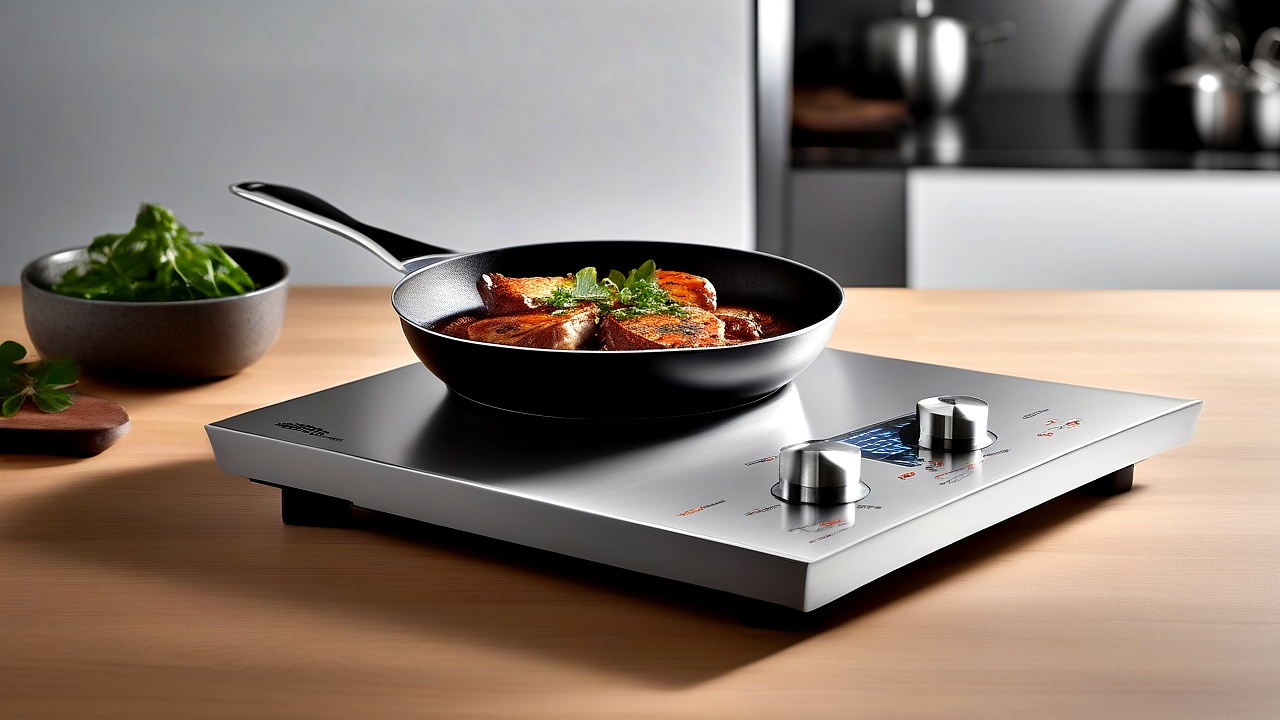
But not all cookware can interact with this magnetic field. Reason:
- Ferromagnetic Material Required: The bottom part of cookware for induction must be made of ferromagnetic material (e.g., iron, stainless steel). Cookware made of non-ferromagnetic material such as aluminum, copper, or ceramic will not work.
- Flat Base: The base of cookware must be flat. Due to a high-low base, there is no proper contact with the magnetic field.
- Thickness: Cookware with a very thin base cannot retain heat, and cookware with a very thick base cannot distribute heat evenly.
Easy Ways to Check if Your Cookware Will Work on Induction
There are a few simple methods to check if your existing cookware will work on an induction stovetop. No additional equipment is required to perform these tests.
1. Magnet Test
This test is the easiest and fastest way. Bring a magnet to your refrigerator door and hold it to the base of the cookware.
- If the magnet sticks firmly, your cookware will work on induction.
- If the magnet sticks loosely or not at all, your cookware will not work on induction.
Remember, the magnet test only confirms the presence of ferromagnetic material. It does not indicate anything about the flatness or thickness of the base.
2. Water Boil Test
To perform this test, you will need:
- An induction stovetop
- Enough water in a container
- A thermometer (optional)
Method:
- Pour 1-2 cups of water into the cookware.
- Turn on the induction stovetop and set it to the highest temperature setting.
- Wait 2-3 minutes. If the water begins to heat and bubbles form, your cookware is working on induction.
- If the water does not heat or the temperature does not rise, your cookware is not working on induction.
A few things to keep in mind while performing this test:
- The base of the cookware must be flat.
- Place the base of the cookware completely on the sensor of the induction stovetop.
- If the stovetop displays “No Pan Detected” or any other error, the cookware is not working.
3. Check for the Induction Compatibility Sticker
Many new cookware items have a small sticker or mark on the base that says “Induction Compatible” or “For Induction Use”. If your cookware has such a sticker on the base, it will work on induction.
4. Search for Brand and Model
Search for the brand and model of your cookware. Most brands mention on their website whether some of their cookware works on induction. For example:
- All-Clad: Most of their stainless steel cookware works on induction.
- T-fal: Many of their cookware items work on induction, especially those with “Induction Base” written on the base.
- Cuisinart: Many of their stainless steel and hard-anodized cookware items work on induction.
Alternative Solutions for Cookware Not Working on Induction
If your existing cookware doesn’t work on induction, don’t worry. There are a few alternative ways to still use the induction stovetop.
1. Use an Induction Interface Disk
An induction interface disk is a special disk placed on the induction stovetop. You can use any kind of cookware on this disk.
Features of some popular induction interface disks:
| Brand | Material | Compatibility | Price Range |
|---|---|---|---|
| Scanpan | Aluminum | All Cookware | Medium |
| Lodge | Cast Iron | All Cookware | Low |
| Universal | Stainless Steel | All Cookware | Low |
A few things to keep in mind while using:
- The base of the cookware placed on top of the interface disk must be flat.
- Control the interface disk’s own temperature. Cookware can be damaged by too much heat.
- Using an interface disk may slightly reduce temperature control.
2. Buy New Induction-Compatible Cookware
If you cook often and plan to buy new cookware, purchasing induction-compatible cookware is the best solution.
A few things to consider when buying induction-compatible cookware:
- Material: Cookware made of stainless steel, cast iron, or hard-anodized aluminum works well on induction.
- Base: The base must be flat and thick.
- Brand: Cookware from reputable brands such as All-Clad, Le Creuset, T-fal, or Cuisinart performs well on induction.
- Price: Cookware is available at different prices based on material, brand, size, etc.
Things to Consider When Choosing Induction-Compatible Cookware
If you are going to buy new cookware, consider a few important factors to ensure that it performs well for a long time.
1. Select Material
Some popular materials for induction-compatible cookware are:
- Stainless Steel:
- Durable and easy to clean.
- Distributes heat evenly.
- The price is relatively high.
- Cast Iron:
- Good heat retention capacity.
- Can be used for a long time if properly seasoned.
- Heavy and requires more maintenance.
- Hard-Anodized Aluminum:
- Lightweight and distributes heat quickly.
- Has a non-stick feature.
- Long-term use may reduce non-stick ability.
- Enamel Cast Iron:
- Cast iron has the advantage of being easy to clean due to the enamel coating.
- Price is high.
2. Flatness and Thickness of Base
The base of cookware for an induction stovetop must be flat. Due to a high-low base, heat is not evenly distributed, and cooking quality is poor.
The thickness of the base is also important. Cookware with too thin a base may not retain heat, and cookware with too thick a base may not distribute heat evenly. An ideal base thickness is 3-5 mm.
3. Brand and Quality
Cookware from good brands is usually of good quality and lasts a long time. Some popular brands are:
- All-Clad: Known for high-quality stainless steel cookware.
- Le Creuset: Known for enamel cast iron.
- T-fal: Popular for non-stick and induction-compatible cookware.
- Cuisinart: A good choice for a variety of cookware.
- Lodge: Known for cast iron cookware.
4. Price Range
Cookware price depends on various factors like material, brand, size, etc. Typically:
- Budget Range ($20–$50): Basic stainless steel or hard-anodized aluminum cookware.
- Mid Range ($50–$150): High-quality stainless steel, cast iron, or enamel cast iron cookware.
- Premium Range ($150+): Professional-grade cookware such as the All-Clad D3 or Le Creuset Dutch oven.
Some Important Tips for Using an Induction Stovetop
If you follow some important tips while using an induction stovetop, it will work well and remain safe for a long time. Following these tips will extend the life of your stove and improve cooking quality.
1. Use the Right Cookware
Choosing the right cookware for an induction stovetop is very important. Only cookware with a magnetic base will work on this type of stove. Common materials that work on induction include:
- Stainless Steel: High-quality stainless steel cookware is ideal for induction. However, ensure that the bottom of the pot is completely flat and thick.
- Cast Iron: Despite being heavy, these pots retain heat well. However, they can be cumbersome to carry due to their weight.
- Hard-Anodized Aluminum: Some hard-anodized aluminum pans have a magnetic base underneath. However, not all do, so be sure to test with a magnet before buying.
- Copper: Most copper pots are not suitable for induction, but some special types have a magnetic base.
Other materials such as ordinary aluminum, ceramic, or glass containers will not work on an induction stovetop.
2. Ensure the Flatness of the Base
The base of the cookware must be flat. Due to a high-low base, heat is not evenly distributed, and cooking quality is poor. Also, without a flat base, the stove does not make good contact with the coil, resulting in reduced stove performance and increased power consumption.
How to check the flatness of the base:
- Take a straight ruler or scale and place it on the base of the pan. If there is any gap, the base is not flat.
- Rub the base with a coin or any flat object. If the coin does not catch or moves evenly, the base is flat.
3. Control the Temperature
Controlling the temperature of an induction stovetop is very easy. Adjust the temperature as needed. Too much heat can damage cookware and shorten the life of the stove.
Some tips for temperature control:
- Increase the temperature gradually: Start cooking at a low temperature first and increase gradually as needed.
- Keep the temperature under control: Cooking at too high a temperature can burn the food or damage the pan.
- Use the auto-shutoff feature: Most induction stovetops have an auto-shutoff feature. This prevents the stove from overheating.
4. Clean Regularly
Clean the surface of the induction stovetop regularly. Food residue or oil buildup can reduce the performance of the stovetop and shorten the life of the stove.
To clean:
- Use a soft cloth or sponge.
- Use mild soap or a special stovetop cleaner.
- Do not use sharp or abrasive objects, as they may damage the surface of the stove.
- Do not clean the stove while it is hot. Let the stove cool down first.
- Also clean the underside of the stove at regular intervals. Accumulation of dust can reduce the performance of the stove.
5. Consider the Location and Environment of the Stove
The position and environment of the induction stovetop are also important while using it. A few things to keep in mind:
- Ventilation: Maintain good ventilation during cooking. This will prevent the stove from overheating.
- Temperature Control: Do not place any other electronic devices near the stove, as excessive heat may damage them.
6. Learn About Stove Parts and Features
Become familiar with the parts and features of your induction stovetop. If you encounter any problems while using the stove, you can troubleshoot them more easily.
Some important features:
- Power Level: Most stoves have power levels from 1 to 9. Select the power level as required.
- Timer: You can cook for a specified time using the timer feature. It will prevent overcooking.
- Child Lock: If you have small children at home, use the child lock feature. This will protect the stove from unintended use.
- Auto-Heat: Some stoves have an auto-heat feature, which regulates the temperature as needed.
Mistakes to Avoid While Using an Induction Stovetop
Some common mistakes while using an induction stovetop can cause damage to the stove or poor cooking quality. Avoid these mistakes:
- Operating the stove with an empty container: Operating the stove with an empty container can cause the stove to overheat and become damaged. Always keep some food or water in the container.
- Cooking at too high a temperature: Cooking at too high a temperature can burn food and damage the pan. Adjust the temperature as needed.
- Using sharp objects: Do not use sharp objects while cleaning the stove. This may damage the surface of the stove.
- Placing heavy objects on the stove: Placing heavy objects on the stove can damage it. Keep heavy objects away when using the stove.
- Changing stove parts: Always seek the help of an experienced technician if any stove parts need to be replaced. Changing parts yourself may damage the stove.
Conclusion
Choosing the right cookware, ensuring the base is level, controlling the temperature, and cleaning regularly are very important when using an induction stovetop. Also consider the location and environment of the stove and become familiar with its parts and features. By following these tips, your induction stovetop will work well and remain safe for a long time.
If you want to buy a new induction stovetop, be sure to choose a good-quality brand and check the specifications of the stove carefully. And if you are already using a stove, follow the tips above to extend its life and cook safely.
Remember, proper care and maintenance are very important while using an induction stovetop. So clean the stove regularly, control the temperature, and consider the location and environment of the stove. If you follow these guidelines, your stove will work reliably for a long time.

About the Author
Hi I am an Engineer I have passed my diploma in Engineering in 2007. Academically I have studied about home appliances and various motors and machineries. In 2012 I have started my blogging and learned a lot of things about home appliances especially washing appliances, washing and cleaning related products, and eequipments. In 2019 I have started my blog https://appliancesky.com to provide my research and experience with my fan and followers.