How Modern Dishwashers Soil Sensors Adjust Cycle Length and Water Volume
Introduction: The Smart Evolution of Dishwashing
Have you ever wondered how your dishwasher can sense how dirty it is and adjust the cycle length and water volume accordingly? This automatic soil sensing technology has improved dishwasher performance, energy efficiency, and water conservation.
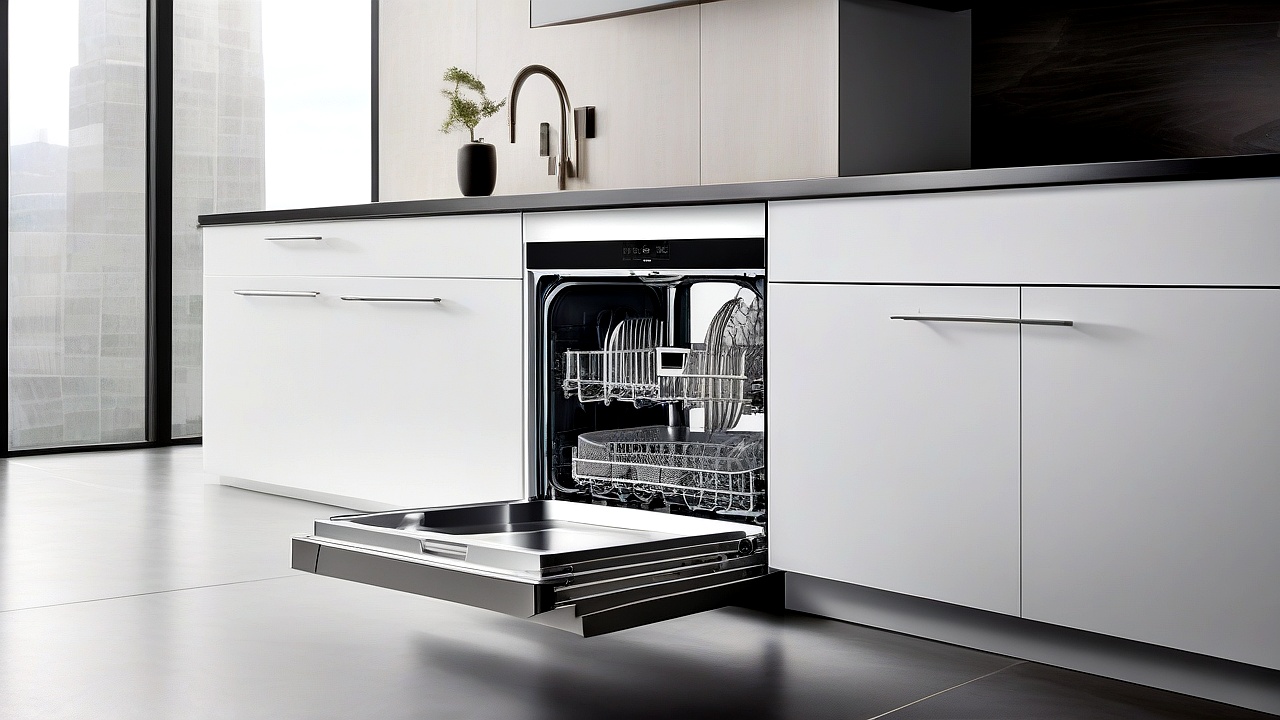
Traditional dishwashers that had a fixed cycle used the same amount of water and time for all types of dishes. As a result, it was often seen that even for lightly soiled dishes, more water and power were consumed. But with the soil sensor in modern dishwashers, it is now possible to adjust the cycle length and water volume separately for each load.
What is a Soil Sensor and how does it work?
A soil sensor is a type of optical sensor or turbidity sensor that measures the clarity or cloudiness of the water inside the dishwasher. This sensor is placed at the bottom of the dishwasher or near the spray arm.
How it works:
- Water Clarity Measurement: When the dishwasher is turned on, the sensor first measures the clarity of the clean water. Then, when the dishes start washing, the water becomes cloudy due to food particles, grease, and detergent in the water.
- Turbidity Detection: The sensor sends light through the water and measures the reflection or absorption of that light. The greater the cloudiness, the more light will be absorbed.
- Real-Time Adjustment: The sensor is connected to the control panel of the dishwasher. When the sensor detects that the water is clean enough, it reduces the cycle length and moves on to the next step. If the water is more cloudy, it increases the cycle length and uses more water.
Types of Soil Sensor
There are mainly two types of soil sensors currently used in dishwashers:
1. Optical Sensor (Turbidity Sensor)
This sensor sends light through water and measures the reflection or absorption of that light. It is the most commonly used soil sensor.
Example: This type of sensor is used in Bosch, LG, and Samsung dishwashers.
2. Pressure Sensor
This sensor measures the pressure change of the water. When dishes are washed, the pressure changes due to particles in the water. The sensor measures this change and adjusts the cycle length and water volume.
Example: Some high-end dishwashers such as Miele use this type of sensor.
How does a Soil Sensor Adjust Cycle Length and Water Volume?
To understand how the soil sensor affects dishwasher performance, we need to know how it adjusts cycle length and water volume:
Cycle Length Adjustment
The cycle length of a soil sensor dishwasher depends on the amount of dirt on the dishes.
- Light Soil: If the sensor detects that the dirt on the dishes is light, it reduces the cycle length. As a result, power and water are saved.
- Medium Soil: If the sensor detects that the soil of the dishes is medium, the cycle length remains normal.
- Heavy Soil: If the sensor detects that the dishes are heavily soiled, it increases the cycle length and washes the dishes longer.
Water Volume Adjustment
The water volume of a soil sensor dishwasher depends on the amount and type of dirt in the dishes.
- Light Soil: Uses less water, saving water.
- Medium Soil: Uses a normal amount of water.
- Heavy Soil: Uses more water to wash all the dishes thoroughly.
Benefits of Soil Sensor
Using a soil sensor dishwasher has several advantages:
1. Energy Efficiency
Power consumption is lower due to the automatic adjustment of cycle length and water volume in a soil sensor dishwasher. As a result, the electricity bill is reduced.
Example: A traditional dishwasher with a fixed cycle consumes about 1.5 kWh of power. But in a soil sensor dishwasher, it drops to 1.0 kWh.
2. Water Conservation
A soil sensor dishwasher reduces water waste due to automatic water volume adjustment. As a result, the water bill is reduced.
Example: A traditional dishwasher uses about 12-15 liters of water, while a soil sensor dishwasher uses about 8-10 liters.
3. Better Cleaning Performance
A soil sensor dishwasher improves cleaning performance by adjusting cycle length and water volume according to the amount of dirt in the dishes. As a result, dishes are washed more effectively.
Example: Bosch dishwashers have a soil sensor, so they can clean the surface and inside of dishes more thoroughly.
4. Less Wear and Tear
Due to the automatic adjustment of cycle length and water volume in a soil sensor dishwasher, the pressure on various parts is reduced. As a result, the lifespan of the dishwasher increases.
What to consider when buying a Soil Sensor Dishwasher?
If you are looking to buy a soil sensor dishwasher, consider the following:
1. Sensor type
Determine which type of soil sensor dishwasher you want to buy. Optical sensors are more common, but pressure sensors also perform well.
2. Energy Star Rating
Check the Energy Star rating. The higher the rating, the more energy efficient the dishwasher is.
3. Water Consumption
Check the water consumption of the dishwasher. The less water it uses, the more water it conserves.
4. Noise Level
Check the noise level of the dishwasher. Typically, the noise level should be between 44-47 dB.
5. Capacity
Check the capacity of the dishwasher. Determine the capacity based on the number of people in your household. A dishwasher with 12-14 place settings is usually sufficient.
6. Brand and Warranty
Buy a reputable brand of dishwasher, such as Bosch, LG, Samsung, or Miele. Check the warranty. Typically, a 2-5 year warranty is available.
Maintenance and Care of Soil Sensor Dishwasher
Regular maintenance and care are important to maintain the performance of a soil sensor dishwasher. Below are some important tips:
1. Regular Cleaning
Clean the inside of the dishwasher at least once a month.
- Remove food particles, grease, and detergent residue from the inside of the dishwasher.
- Clean the nozzles of the spray arm so that water can spray properly.
2. Use Rinse Aid
Using rinse aid helps dry dishes better and reduces water stains.
3. Clear the filter
Clean the dishwasher filter at least once a week. Food particles and grease that accumulate in the filter reduce the dishwasher’s performance.
4. Regularly Check Sensor
Clean the sensor regularly. If food particles or grease accumulate on the sensor, it will not work properly.
5. Proper Loading
Load dishes properly. If the dishes are stacked too closely, water will not reach them properly.
Soil Sensor Dishwasher vs Traditional Dishwasher
See the comparison table below to understand the difference between a soil sensor dishwasher and a traditional dishwasher:
| Feature | Soil Sensor Dishwasher | Traditional Dishwasher |
|---|---|---|
| Cycle Length Adjustment | Automatic (depends on soil sensor) | Fixed (user manually selects) |
| Water Volume Adjustment | Automatic (depends on soil sensor) | Fixed (user manually selects) |
| Energy Efficiency | High (power and water are saved) | Low (power and water consumption is high) |
| Cleaning Performance | Better (adjusts according to the amount of dirt in the dishes) | Average (fixed cycle gives the same amount of water and time to all dishes) |
| Noise Level | Low (due to automatic adjustment) | High (due to fixed cycle) |
| Maintenance | Low (pressure on parts is reduced due to automatic adjustment) | High (fixed cycle causes more wear and tear on parts) |
Some Popular Models of Soil Sensor Dishwashers
Many soil sensor dishwashers are available in the market today. Some popular models are listed below:
1. Bosch SMS66KI01E
This dishwasher has a Zeolith drying system and a soil sensor. It performs well in terms of energy efficiency and water conservation.
2. LG DFB424FP
This dishwasher has a QuadWash system and a soil sensor. It can clean the surface and interior of dishes thoroughly.
3. Samsung DW60A4000US
This dishwasher has WaterWall technology and a soil sensor. It sprays water separately for dishes.
4. Miele G 7000
This dishwasher has an AutoDos system and a pressure sensor. It is highly energy efficient and performs well in terms of water conservation.
Some Tips for Using Soil Sensor Dishwasher
Follow some important tips while using a soil sensor dishwasher:
1. Proper Loading
Load dishes properly. If the dishes are stacked too closely, water will not reach them properly.
2. Use Rinse Aid
Using rinse aid helps dry dishes better and reduces water stains.
3. Regularly Clean Filter
Clean the dishwasher filter at least once a week. Food particles and grease that accumulate in the filter reduce the dishwasher’s performance.
4. Use Correct Detergent
Use detergent specially formulated for dishwashers. Using ordinary detergents may reduce the dishwasher’s performance.
5. Regular Maintenance
Clean the inside of the dishwasher at least once a month.
Conclusion: Welcome to the Age of Smart Dishwashing
The advent of soil sensor dishwashers has brought a new revolution in dishwashing. Through this smart technology, you can save energy, water, and time. As a result, both your electricity bill and water bill will decrease, and the lifespan of the dishwasher will increase. Most importantly, these dishwashers reduce the amount of handwork required. Where earlier you had to wash the dishes before running the dishwasher every time, now there is no such hassle. The soil sensor itself determines how much dirt there is and how much water and power are needed.
However, it must be remembered that these smart dishwashers must be properly maintained. Otherwise, the performance of the sensor may decrease and the performance of the dishwasher will also deteriorate. So it is very important to clean the filter regularly, use rinse aid, and monitor the sensor. Another important consideration is whether the capacity of the dishwasher you buy matches the needs of your household. If it is too small, it will have to be run repeatedly; if it is too large, energy and water will be consumed more.
The Future of Soil Sensor Dishwashers: What’s Next?
As technology advances, dishwashers are also becoming smarter. In the future, we may see features that are currently unimaginable. For example:
- AI-Powered Dishwashing: Future dishwashers may have AI that analyzes your usage habits and sets the cycle automatically. It may even remember the type of detergent you prefer!
- Voice Control: Integration of dishwashers with voice assistants like Alexa or Google Assistant will become easier. You could simply say, “Hey Google, run the dishwasher,” and it would start.
- Self-Cleaning Technology: In addition to the sensor, the dishwasher could clean its own interior. As a result, maintenance would become much easier.
- Eco-Friendly Materials: Future dishwashers may use materials that are environmentally friendly and recyclable. As a result, you would not only save energy and water but also benefit the environment.
Furthermore, features like wireless charging may emerge where your smartphone could be charged from the dishwasher’s charging port when it runs out of power!
Few Tips Before Buying a Soil Sensor Dishwasher
So far, we have discussed almost all aspects of soil sensor dishwashers. But when you go to buy one, keeping a few things in mind will make your decision much easier. Below are some final tips:
- Set a Budget: First, set your budget. The price of soil sensor dishwashers typically ranges from $350 USD to $2,300 USD. Choose a model that fits your budget.
- Local vs. Imported: Local brands like GE Appliances or Frigidaire dishwashers are relatively affordable with good warranty options. On the other hand, imported brands such as Bosch, LG, and Samsung are slightly more expensive but offer better quality.
- Take a Demo from the Dealer: Before buying any dishwasher, always check a demo with the dealer. Understand how the sensor works, what the noise level is, and what the loading capacity is.
- Check Online Reviews: Before buying any model, read reviews of that model online. You can learn a lot by watching unboxing and review videos on YouTube.
- Installation and After-Sales Service: Often, dishwasher installation requires separate charges. Also, check how maintenance service will be provided during the warranty period.
Conclusion
Entering the era of soil sensor dishwashers means taking a step forward toward smart living. These dishwashers not only save energy and water but also save your time and make the dishwashing experience much easier. But remember, to get the full benefits of this smart technology, you need to properly maintain the dishwasher. Regular filter cleaning, sensor monitoring, and proper loading should be practiced.
If you are still using a traditional dishwasher, consider buying a soil sensor dishwasher. Once you start using it, you will see how much time and energy is being saved. And if you have already bought a soil sensor dishwasher, extend its life with regular maintenance.
Finally, no matter how advanced the technology is, proper use and care are key. So take care of your dishwasher and enjoy the convenience of smart dishwashing!

About the Author
Hi I am an Engineer I have passed my diploma in Engineering in 2007. Academically I have studied about home appliances and various motors and machineries. In 2012 I have started my blogging and learned a lot of things about home appliances especially washing appliances, washing and cleaning related products, and eequipments. In 2019 I have started my blog https://appliancesky.com to provide my research and experience with my fan and followers.