How to Prevent Mold, Mildew, and Bacteria Growth in Washers: Complete Guide
Washing machines have become an essential part of our daily lives. However, many people don’t realize that without regular care, these machines can develop mold, mildew, and bacteria. These harmful microorganisms not only cause clothing odors but can also pose serious health risks. This is especially dangerous for those with allergies or respiratory issues.
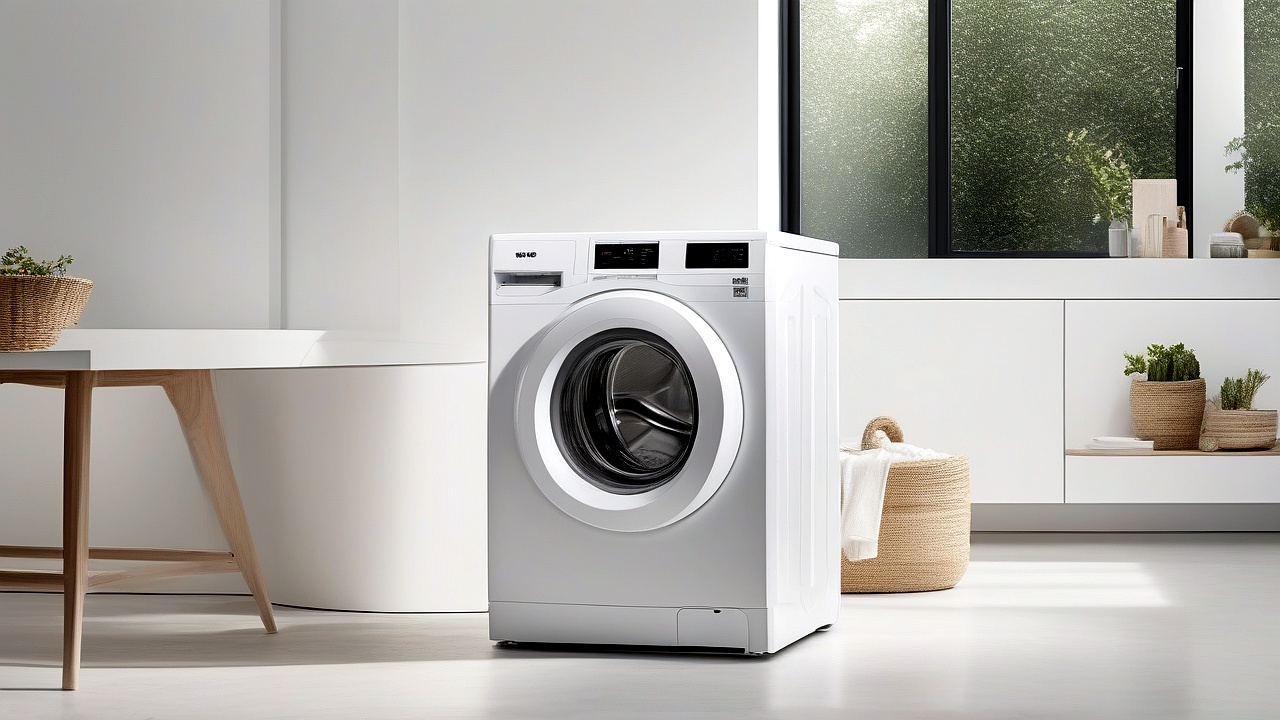
In this detailed guide, we’ll discuss how to prevent mold, mildew, and bacteria growth in washers, along with easy tips, maintenance routines, and an introduction to necessary parts.
Why Does Mold, Mildew, and Bacteria Grow in Washers?
The primary causes of germ growth in washing machines are moisture and an unclean environment.
- Humidity: Water vapor remains inside the washer after use. This issue is common in front-load washers because less air circulates when the door is closed. As a result, moisture lingers, creating an ideal environment for bacterial growth.
- Unclean clothes: Bacteria and fungus can develop if used clothes are placed in the washer without being rinsed first. Leaving sweaty or damp clothes in the washer for extended periods accelerates bacterial growth.
- Detergent and softener residue: Sometimes, detergent or fabric softener doesn’t rinse completely. This buildup inside the washer promotes bacterial growth.
- Improper washer use: Using too little detergent or failing to clean the washer’s interior regularly contributes to germ buildup.
Addressing these issues can help keep the washer sterile for longer.
How to Prevent Mold, Mildew, and Bacteria Growth in Washers
1. Clean the washer regularly
Maintaining the washer’s interior is crucial. Pay special attention to these areas:
- Drum: The inner part of the washer should be cleaned often. White vinegar or baking soda can be used for this.
- Detergent drawer (detergent tray): This area often collects detergent residue. Clean it regularly.
- Door seal: Water frequently gathers in the door seal of front-load washers. Clean this area often.
- Filter: The washer’s filter, located at the bottom, should be cleaned regularly to ensure proper drainage.
Cleaning method:
- Place 1 cup white vinegar or ½ cup baking soda in a bowl.
- Pour the mixture into the washer.
- Run the washer on the hot water wash setting.
- Airt dry the interior after the cycle completes.
2. Dry the washer thoroughly after use
After each wash, leave the door and detergent tray open to allow the interior to dry completely. This step is especially important for front-load washers, where limited airflow when the door is closed can trap moisture and encourage germ growth.
3. Use the correct amount of detergent
Overusing detergent leads to residue buildup, which fosters bacterial growth. Always follow the recommended detergent amount.
Additionally, use HE (high-efficiency) detergent for HE washers. Regular detergents create excess suds, which can trap bacteria inside the machine.
4. Run the washer regularly
If the washer sits unused for long periods, germs are more likely to develop. Run the washer at least once a week, even when empty, to maintain cleanliness.
5. Use specialized washer cleaners
Market-available washer cleaners are designed to sanitize the machine’s interior. Regular use helps keep the washer sterile.
- Affresh washer cleaner: Formulated to clean washer interiors, preventing bacterial growth with regular use.
- CLR washer cleaner: Removes dirt, germs, and odors from the washer’s interior.
6. Remove wet clothes promptly
Take clothes out of the washer immediately after the cycle ends. Leaving damp clothes inside for extended periods encourages bacterial growth. Dry clothes as soon as possible.
7. Use a washer cleaning bag
If germ growth is a persistent issue, place a specialized cleaning bag inside the washer. These bags help maintain a sterile interior.
Signs of Mold, Mildew, and Bacteria Growth in Washers
Several common signs indicate bacterial growth in washers. If any of the following occur, the washer needs cleaning:
- Odor: A foul smell emanates from the washer, even after washing clothes.
- Black spots: Dark spots appear on the washer’s interior or door seals.
- Black deposits: Dark residue forms inside the washer.
- Skin irritation: Allergic reactions or itching after wearing clothes washed in the machine.
If these symptoms appear, clean the washer immediately and consider seeking professional assistance.
Parts and Materials Needed for Cleaning the Washer
Certain essential tools and materials are required to clean the washer effectively.
| Tools | Usage |
|---|---|
| White vinegar | Helps clean and kill germs inside the washer. |
| Baking soda | Helps remove odors and clean the washer’s interior. |
| Washer cleaner (Affresh, CLR) | Specially designed to clean washer interiors. |
| Toothbrush | Helps clean small, hard-to-reach areas of the washer. |
| Microfiber cloth | Used to dry the washer’s interior. |
Step-by-Step Guide to Cleaning a Washer
Follow these steps to clean your washer:
Step 1: Clean the washer’s interior
- Remove the washer door and detergent tray.
- Place 1 cup white vinegar or ½ cup baking soda in a bowl.
- Pour the mixture into the washer.
- Run the washer on the hot water wash setting.
- Airt dry the interior after the cycle completes.
Step 2: Clean the detergent tray
- Remove the detergent tray.
- Wash it with warm water and soap.
- Use a toothbrush to clean small areas.
- Thoroughly dry the tray before reinserting it.
Step 3: Clean the door seal
- Inspect the door seal carefully.
- Wipe the seal with a microfiber cloth or toothbrush.
- Dry the area completely after cleaning.
Step 4: Clean the filter
- Locate the filter at the bottom of the washer.
- Remove and clean the filter.
- Reattach the filter after cleaning.
Step 5: Dry the washer
- Leave the washer door and detergent tray open.
- Wait until the interior is completely dry.
Additional Tips for Maintaining a Clean Washer
Maintaining a sterile washer requires more than just regular cleaning. Following these extra tips will help keep your washer functional and effective for years.
Create an ideal environment for the washer
Keeping the area around the washer clean and dry is essential. Many people place washers in bathrooms, but moisture from the bathroom can seep into the machine and promote mold growth. Choose a location for the washer where:
- Adequate light and ventilation: Ensure airflow around the washer to reduce interior moisture.
- Clean, dry floors: Avoid water pooling under the washer. Clean the floor regularly and wipe up spills promptly.
- Sufficient space behind the washer: Leave at least 2–3 inches of clearance to allow for proper airflow.
Use specialized disinfectants for washers
In addition to regular cleaning, using specialized disinfectants can more effectively eliminate germs. Common options include:
- Vinegar: A natural disinfectant. Run an empty hot water cycle with 2 cups of vinegar once a month to kill germs and deodorize the washer.
- Baking soda: An effective cleaner and disinfectant. Run an empty cycle with ½ cup of baking soda to clean the interior and remove odors.
- Commercial washer cleaner: Brands like Affresh, Tide washing machine cleaner, or LG tub cleaner are formulated specifically for washers. Regular use keeps the machine clean and sterile.
Inspect washer parts regularly
Regularly check components like the detergent tray, door seal, and filter. Replace any damaged or corroded parts immediately. Pay special attention to:
- Door seal: Cracks or damage can cause leaks and mold. Clean the seal regularly and replace it if necessary.
- Filter: Clean the filter often. A clogged filter reduces washer performance.
- Drum: Clean the drum regularly. Address any stains or corrosion with a specialized cleaner.
Choose the right detergent for your washer
Selecting the appropriate detergent is critical. Many people overuse detergent, leaving residue that fosters bacteria. Follow these guidelines:
- Use the correct amount: Refer to the washer’s manual for detergent measurements. Typically, 2–3 tablespoons is sufficient.
- Use high-quality detergent: Cheap detergents leave residue and promote germ growth. Opt for high-quality options.
- Use liquid detergent: Liquid detergents rinse more effectively and leave less residue.
Parts and Materials Needed for Cleaning the Washer
Cleaning a washer requires some basic tools and materials. Without these, the process becomes difficult. Below is a list of essentials:
| Tools | Usage | Example |
|---|---|---|
| Microfiber cloth | To clean the washer’s interior | Any brand of microfiber cloth |
| Toothbrush | To clean small areas | Standard toothbrush |
| Vinegar | To eliminate mold and germs | White vinegar |
| Baking soda | As a cleaner and disinfectant | Food-grade baking soda |
| Washer cleaner | Specifically for washer cleaning | Affresh, Tide washing machine cleaner |
| Water and soap | For general cleaning | Warm water and mild soap |
Common Mistakes When Cleaning Washers
Many people make avoidable mistakes while cleaning washers, which can damage the machine. Avoiding these errors ensures the washer remains in good condition for longer. Below are some frequent mistakes:
- Using too much detergent: Overusing detergent leaves residue that fosters bacterial growth.
- Not running the washer empty: Failing to run an empty cycle allows water to accumulate, promoting mold. Run an empty hot water cycle at least once a month.
- Not cleaning the filter: A clogged filter can cause odors and reduce washer performance. Clean the filter regularly.
- Ignoring doors and seals: Neglecting to clean doors and seals allows germs to spread. Clean these areas frequently.
Conclusion
Preventing mold, mildew, and bacteria growth in washers is straightforward with regular maintenance, proper use, and a few extra precautions. Keeping the washer clean ensures both its longevity and your family’s health.
Start a routine of regular washer cleaning today. Clean the machine at least once a month, remove wet clothes promptly, and use the correct amount of detergent. Additionally, create a suitable environment for the washer and inspect its parts regularly. These small steps will extend your washer’s lifespan and promote a healthier home.
Address washer issues promptly and seek professional help if needed. Remember, a clean washer contributes to a healthy family. Take care of your washer to stay healthy.

About the Author
Hi I am an Engineer I have passed my diploma in Engineering in 2007. Academically I have studied about home appliances and various motors and machineries. In 2012 I have started my blogging and learned a lot of things about home appliances especially washing appliances, washing and cleaning related products, and eequipments. In 2019 I have started my blog https://appliancesky.com to provide my research and experience with my fan and followers.