Complete Guide to Cleaning Instant Pot Pressure Cooker Lids, Valves and Silicone Rings
A pressure cooker like your Instant Pot saves a lot of time in everyday cooking. But due to regular use, food residue, oil and dirt accumulate in its inner parts. Especially if the lid, valve (vent/steam release valve), and silicone sealing ring are not cleaned, odors, bacteria can grow and the performance of the pressure cooker can decrease.
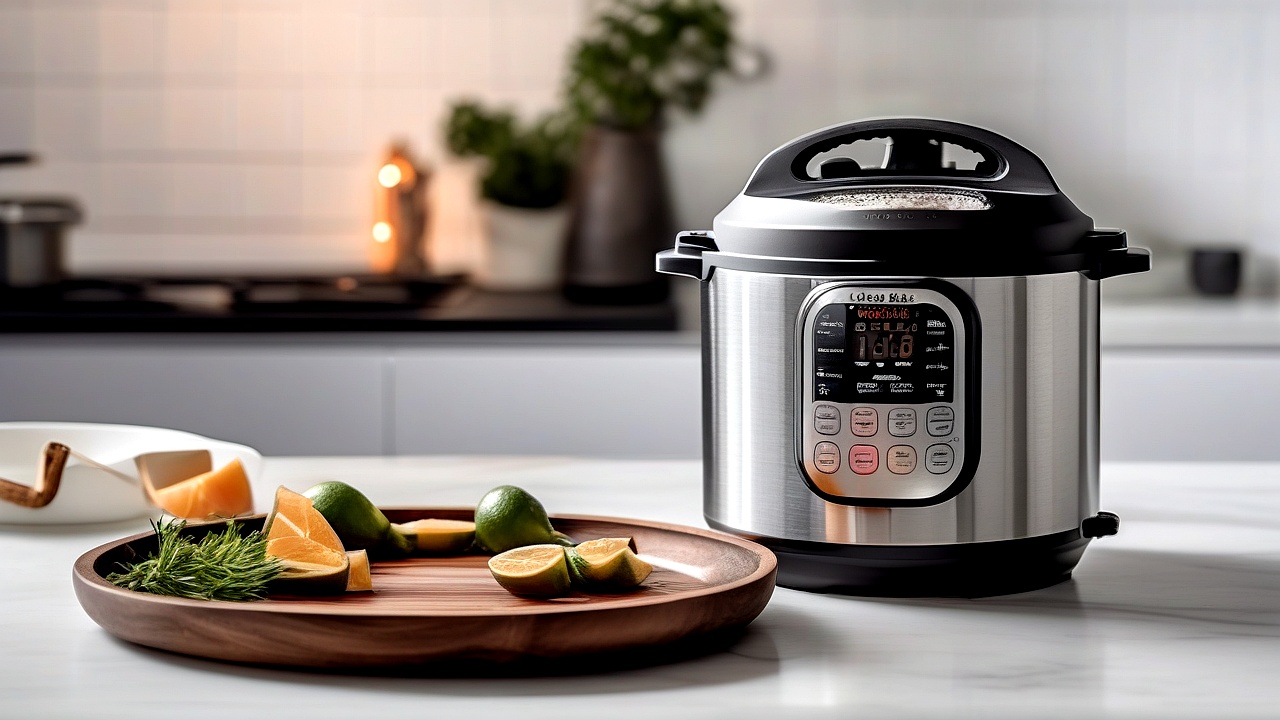
In this guide, we’ll learn step-by-step how to properly clean these important parts of the Instant Pot, what materials to use, and how regular maintenance can keep your pressure cooker looking in good condition for a long time.
Why is it important to clean Instant Pot lids, valves, and silicone rings?
After using the pressure cooker, the food particles, oil, and starch inside the pressure cooker stick to various parts. If not cleaned regularly, then:
- Growth of bacteria and fungi: Bacteria and fungi can grow in wet environments, which are harmful to health.
- Decreased Pressure Cooker Performance: Dirt buildup on valves or silicone rings may cause pressure to not build up properly, resulting in longer cooking time or food not being cooked properly.
- Silicone ring durability decreases over time: If not cleaned regularly, the silicone ring can become tough and may start to leak.
Therefore, it is important to clean these parts of the Instant Pot after each use.
Introduction to different parts of Instant Pot
Cleaning becomes easier if you have a clear understanding of the various parts of the pressure cooker. Below is a description of the main parts of the Instant Pot:
| part name | Description | Importance of cleaning |
|---|---|---|
| Lid | The upper portion of a pressure cooker that holds the food inside. It has slots for silicone rings and holes for valves. | Food residue and oil build up, which can cause bad odors. |
| Valve (Steam Release Valve) | The steam release valve controls the pressure. It can be of two types: Manual (Quick Release) Valve and Auto (Float Valve). | A buildup of food particles can clog the valve, resulting in pressure not being properly regulated. |
| Silicone Ring (Silicone Sealing Ring) | The rubber-like ring attached to the inside of the lid that seals the pressure cooker. | It absorbs food oils and odors, so if not cleaned regularly it can cause bad smells. |
| Venting Nozzle (Venting Nozzle) | Small hole used to let out steam. | It can become clogged with food particles. |
| Float Valve | Controls the pressure after the pressure is created. | It can become clogged with food residue accumulation. |
Instant Pot Lid, Valve and Silicone Ring Cleaning Materials
Gather the following materials to make cleaning easier:
- Hot Water: Helps to remove food residue and oil.
- Mild Detergent (Mild Dish Soap): Like Dawn or Sunlight. Do not use strong detergents, as they may damage the silicone ring.
- Brush (Soft Brush): Toothbrush or small brush to clean valves and holes.
- Microfiber Cloth: To wipe lids and other parts.
- Vinegar (White Vinegar) or Baking Soda (Baking Soda): To eliminate odors and as a disinfectant.
- Toothpick/Pin: To clean small holes in venting nozzles or valves.
- Non-abrasive sponge for cleaning: Do not use strong scrubbers.
Step-by-step instructions for cleaning Instant Pot lids, valves, and silicone rings
Step 7: Reattach all parts
Once all the parts are clean it’s time to reassemble them. This step is essential, as the pressure cooker may not work properly if installed incorrectly. Follow the steps below:
- Apply the silicone ring: Carefully place the cleaned silicone ring into the slot inside the lid. Make sure it fits perfectly and does not bend in any direction.
- Install the valve: If it is a manual valve, turn it and install it. In case of Auto Valve it will automatically connect to the lid.
- Close the lid: Gently press the two handles on the top of the lid to close the lid completely. Make sure the lid is tightly closed.
- Reconnect the power: Reconnect the power to the Instant Pot.
- Test: Turn on the Instant Pot to see if everything is working properly. If any unusual noises or problems occur, check the fitted parts again.
Important Tips:
- Do not apply too much force when closing the lid, as it may damage the silicone ring.
- Make sure the valve is working properly before turning on the Instant Pot after reassembling all parts.
—
Additional Tips for Instant Pot Care and Maintenance
Regular care is essential to prolong the life of the Instant Pot and keep it performing well. Below are some additional tips for Instant Pot care and maintenance:
1. Clean regularly
Clean the lid, valve, silicone ring, and venting nozzle immediately after using the Instant Pot. A build-up of food residue can harden and become difficult to clean later if not cleaned quickly.
2. Store properly
After using Instant Pot:
- Keep the lid open to allow the inside to dry.
- Keep all parts separate so that air can circulate.
- Do not store in direct sunlight or excessively humid areas.
3. Change the silicone ring
Silicone rings harden over time and are prone to leaks. Therefore, the silicone ring should be changed every 6-12 months. When buying a new silicone ring, be sure to buy according to the model of Instant Pot.
4. Check valves and venting nozzles regularly
Valves and venting nozzles play an important role in controlling the pressure of the Instant Pot. So clean them regularly as well as check that there are no food particles or dirt stuck.
5. Clean the inside of the Instant Pot
The inside of the Instant Pot may have food residue. To clear it:
- Mix warm water and a few drops of detergent on the inside.
- Scrub gently with a toothbrush or sponge.
- Rinse with clean water.
- Dry.
—
What type of detergent should be used to clean the Instant Pot?
Many are confused about which type of detergent to use to clean the various parts of the Instant Pot. Below is a detailed discussion about suitable detergents for cleaning Instant Pot:
Suitable detergent
The following types of detergents can be used to clean the Instant Pot parts:
- Mild Detergent: Mild detergent is usually best for cleaning Instant Pot parts. It helps to remove food residue and does not damage the parts.
- Vinegar: Vinegar works as a natural cleaner. It helps to eliminate odors. You can soak the Instant Pot parts by mixing vinegar with water.
- Baking Soda: Baking soda helps remove stubborn food residue. You can make a paste of it and put it on the parts of the Instant Pot.
- Special Instant Pot Cleaner: Special cleaners for Instant Pot are available in the market. They are specially made for cleaning parts of the Instant Pot.
Detergents to Avoid
Avoid the following types of detergents when cleaning Instant Pot parts:
- Strongly alkaline or acidic detergents: These can damage Instant Pot parts.
- Abrasive detergents: These can scratch the Instant Pot parts.
- Chemical-based cleaners: These can damage Instant Pot parts.
—
Common Instant Pot Problems and Solutions
Many people face various problems while using Instant Pot. Below is a discussion of common Instant Pot problems and their solutions:
1. Not creating pressure
Instant Pot fails to build pressure for a few common reasons. Solutions include:
- Valve not closed: Check whether the valve is properly closed.
- Silicone ring leakage: Check if the silicone ring is damaged. Replace if necessary.
- Clogged venting nozzle: Check if the venting nozzle is open.
- Electrical connection problems: Check that the Instant Pot has a good electrical connection.
2. Extra steam coming out
A few causes and solutions for excess steam coming out of Instant Pot:
- Valve not fitted properly: Check if the valve is fitted properly.
- Silicone ring damaged: Check if the silicone ring is damaged.
- Clogged venting nozzle: Check if the venting nozzle is open.
3. Instant Pot not turning on
Some reasons and solutions for Instant Pot not powering on:
- Electrical connection problems: Check that the Instant Pot has a good electrical connection.
- Blown fuse: Check the Instant Pot’s fuse. Replace if necessary.
- Internal Fault: If none of the above causes apply, seek professional help for Instant Pot internal issues.
—
Conclusion
Regular cleaning of the Instant Pot lid, valve and silicone ring is very important. This not only extends the life of the Instant Pot, but also helps it perform well. Use appropriate detergents when cleaning and reassemble parts properly. With regular care and maintenance your Instant Pot will work reliably for years.
Hope this guide helps you take care of your Instant Pot. If you encounter any problems, follow the common problems and solutions above. Another important thing is to start cleaning the Instant Pot immediately after using it—it will make it easier to clean up later.
So do not delay—take care of your Instant Pot today and enjoy its benefits for years to come!

About the Author
Hi I am an Engineer I have passed my diploma in Engineering in 2007. Academically I have studied about home appliances and various motors and machineries. In 2012 I have started my blogging and learned a lot of things about home appliances especially washing appliances, washing and cleaning related products, and eequipments. In 2019 I have started my blog https://appliancesky.com to provide my research and experience with my fan and followers.