Compact vs. Full-Size Ice Makers: Which One Fits Your Kitchen & Lifestyle?
Do you want to buy an ice maker without taking up extra space in the kitchen? Or do you want to make more ice for large families or frequent entertaining? If you know the difference between these two types of ice makers, you can make the right decision.
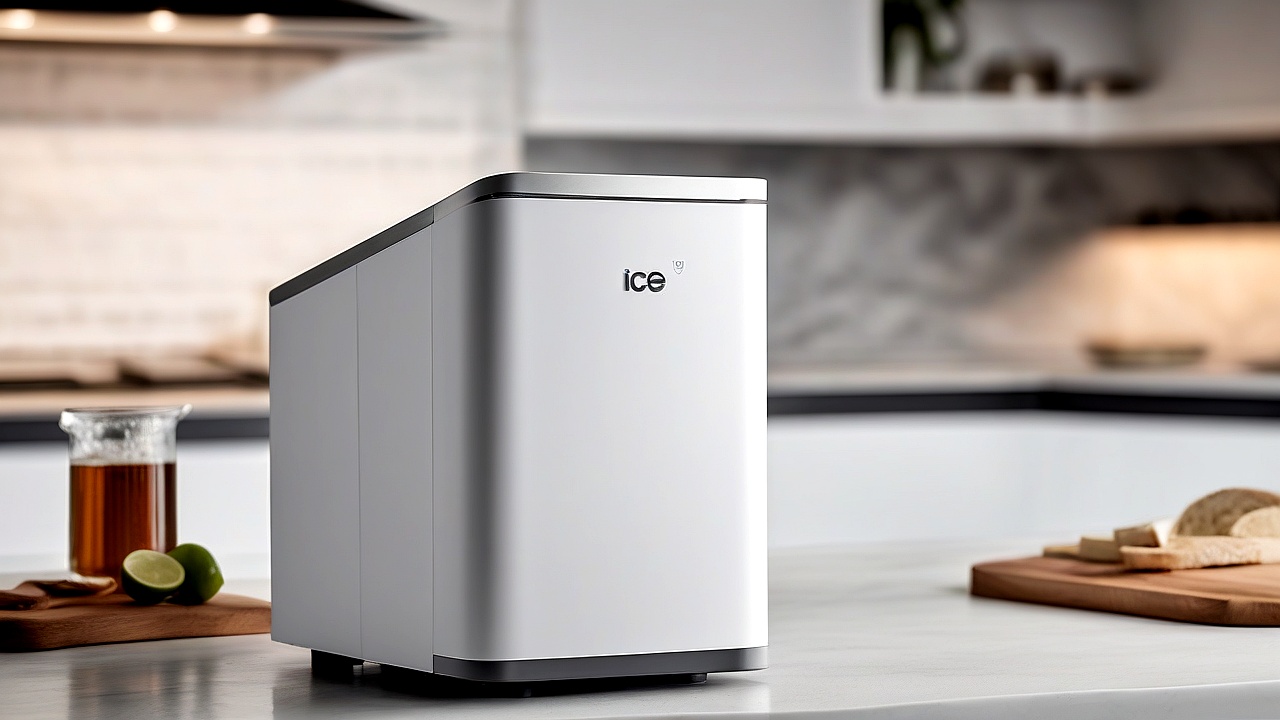
In this article we will make a detailed comparison between compact ice makers and full-size ice makers—such as capacity, installation, maintenance, cost, and which one fits your needs best. Let’s get started!
What Are Compact Ice Makers? And Who Are They Suitable For?
Compact ice makers are small, portable, and countertop-friendly devices that can usually be placed on the kitchen counter. They typically produce 5 to 25 pounds of ice.
Some key features of this type of ice maker:
- Portability: They are lightweight and can be easily carried from one place to another.
- Easy Installation: No plumbing required—just an electricity connection.
- Low Capacity: Typically capable of making 5 to 25 pounds of ice, which is sufficient for small families or occasional entertaining.
- Affordable: Cheaper than full-size ice makers.
- Energy Efficient: Uses less power, resulting in lower electricity bills.
This type of ice maker is suitable for:
- Small kitchens that don’t have much space.
- Small families or those who don’t consume much ice.
- Those who don’t entertain frequently.
- Those who want a portable ice maker that can be easily moved.
What Are Full-Size Ice Makers? And Who Are They Suitable For?
Full-size ice makers are built-in or freestanding devices designed for higher capacity. They typically produce 20 to 50 pounds of ice.
Some key features of this type of ice maker:
- High Capacity: Suitable for large families or frequent entertaining.
- Built-in or Freestanding: Built-in ice makers are usually integrated with the refrigerator, while freestanding ones can be kept separately.
- Plumbing Connection: Some full-size ice makers require a plumbing connection to provide a continuous water supply.
- Higher Cost: More expensive than compact ice makers.
- More Energy Consumption: Uses more power due to higher capacity.
This type of ice maker is suitable for:
- Large kitchens with more space.
- Large families or those who consume a lot of ice.
- Those who entertain frequently.
- Those who want a built-in ice maker integrated with the refrigerator.
Compact vs. Full-Size Ice Makers: Detailed Comparison
Now we will make a detailed comparison between the two types of ice makers.
| Feature | Compact Ice Makers | Full-Size Ice Makers |
|---|---|---|
| Capacity | 5 to 25 pounds | 20 to 50 pounds |
| Installation | No plumbing required, portable | Plumbing connection required for some models, built-in or freestanding |
| Size & Space | Small, fits on countertop | Large, requires dedicated space |
| Cost | $100 to $300 | $500 to $2,000+ |
| Energy Consumption | Low (50W to 150W) | High (200W to 500W) |
| Noise Level | Moderate (40 to 60 dB) | |
| Maintenance | Easy, clean regularly | More complex, requires regular cleaning and filter replacement |
| Best For | Small families, occasional entertaining, limited space | Large families, frequent entertaining, built-in installations |
Pros and Cons of Compact Ice Makers
Let’s look at some advantages and disadvantages of compact ice makers.
Pros:
- Space-Saving: Ideal for small kitchens.
- Portable: Easy to carry from one place to another.
- Affordable: Low price.
- Easy Installation: No plumbing required.
- Energy Efficient: Uses less power.
- Low Maintenance: Requires regular cleaning.
Cons:
- Low Capacity: Limited ice production.
- Frequent Refilling: Water reservoir must be refilled often when empty.
- Limited Features: No advanced features like built-in dispenser or water filtration.
Pros and Cons of Full-Size Ice Makers
Now let’s look at some advantages and disadvantages of full-size ice makers.
Pros:
- High Capacity: Produces more ice.
- Continuous Ice Supply: Available if there is a plumbing connection.
- Built-in Options: Can be integrated with the refrigerator.
- Advanced Features: May include built-in dispenser, water filtration, and smart features.
Cons:
- Expensive: High price.
- Large Size: Requires more space.
- Complex Installation: May require a plumbing connection.
- High Energy Consumption: Uses more power.
- High Maintenance: Requires regular cleaning and filter replacement.
Which One Is Best for You? Buying Guide
Now if you want to buy an ice maker, the best choice depends on your needs and budget. Let’s look at some key factors that will help you decide.
1. Capacity and Usage
How much ice do you use? If you are a small family or don’t consume much ice, a compact ice maker is enough. But if you have a large family or entertain frequently, a full-size ice maker will be better.
2. Space and Installation
How much space is available in your kitchen? If your kitchen is small, a compact ice maker is best. But if you have more space and want a built-in model, a full-size ice maker will be best.
3. Budget
What is your budget? If your budget is limited, a compact ice maker is best. But if you can spend more and want advanced features, a full-size ice maker will be best.
4. Energy Efficiency
Do you want an energy-efficient device? If you want to use less power, a compact ice maker is best. But if you choose a full-size ice maker for higher capacity, energy consumption will be greater.
5. Maintenance
Can you perform regular maintenance? If you prefer low maintenance, a compact ice maker is best. But if you want a full-size ice maker for advanced features, you will need to clean it and replace filters regularly.
Top Compact Ice Maker Models (2024)
Let’s look at some of the best compact ice maker models.
| Model | Capacity | Ice Type | Price Range | Key Features |
|---|---|---|---|---|
| Nugget Ice Maker by GE Profile | 24 lbs/24 hrs | Nugget Ice | $250-$350 | Portable, self-contained, easy to clean |
| Igloo Automatic Portable Ice Maker | 26 lbs/24 hrs | Cube Ice | $150-$200 | Affordable, compact, easy to use |
| Cuisinart Ice Cream Maker | 1.5 quarts | Soft Serve Ice Cream | $100-$150 | Multi-functional, easy to clean |
| hOmeLabs Portable Ice Maker | 26 lbs/24 hrs | Cube Ice | $180-$220 | Quiet operation, easy to clean |
Top Full-Size Ice Maker Models (2024)
Now let’s look at some of the best full-size ice maker models.
| Model | Capacity | Ice Type | Price Range | Key Features |
|---|---|---|---|---|
| Scotsman CU1527A-15 | 146 lbs/24 hrs | Cube Ice | $1,200-$1,500 | Commercial-grade, high capacity, durable |
| Manitowoc Ice Series | 100-500 lbs/24 hrs | Cube, Nugget, Flake Ice | $2,000-$5,000 | Commercial-grade, high capacity, built-in options |
| Frigidaire FFTR1821TS | 3.8 cu. ft. | Cube Ice | $800-$1,000 | Built-in refrigerator, high capacity |
| KitchenAid KICA001ER | 4.5 lbs/2.5 hrs | Cube Ice | $400-$600 | Built-in refrigerator, easy to use |
Compact vs. Full-Size Ice Makers: Which One to Buy?
Now if you want to buy an ice maker, the best choice depends on your needs and budget. First, consider your daily ice consumption—how much ice do you need per day? Are you buying an ice maker for parties, family use, office use, or personal use? And most importantly, how much space is available in your kitchen?
For example:
- Small family or personal use: A compact ice maker is enough. It takes up little space, makes ice quickly, and uses less power.
- Large family or party/office: A full-size ice maker will be better. With more capacity, it can produce more ice at once and is more effective in the long run.
- Those who have a small kitchen but need more ice: You can choose a countertop ice maker. It is small like a compact model but offers more capacity.
Another important consideration is maintenance and durability. Compact ice makers are usually easy to clean, but full-size ice makers require more care. Some high-end models have a self-cleaning feature, which makes maintenance easier.
Things to Check Before Buying an Ice Maker
When you go to buy an ice maker, there are a few things you should know beforehand to avoid problems later.
- Capacity: Calculate how much ice you need per day. Typically, compact ice makers can produce 5-25 lbs of ice per day, and full-size ice makers can produce 40-100 lbs.
- Size and Installation: How much countertop or floor space does your kitchen have? Compact ice makers are usually 15-20 inches long, and full-size ones can be over 30 inches.
- Energy Efficiency: If you use more electricity, your bill will be higher at the end of the month. So choose Energy Star certified models.
- Noise Level: Some ice makers are very loud, which can disrupt the kitchen environment. So check the noise level (dB) in advance.
- Warranty: Good brands usually offer 1-2 years of warranty. This makes it easier to replace or repair if there is a problem.
How Much Does an Ice Maker Cost?
The price of an ice maker depends on capacity, brand, and features. Typically:
- Compact ice maker: $100 to $400.
- Countertop ice maker: $200 to $600.
- Full-size ice maker: $500 to $2,000+.
If you want a good-quality ice maker within your budget, do some research beforehand. Compare prices on different models at Amazon, Best Buy, or local appliance stores.
What Are the Best Ice Maker Brands?
Many ice maker brands are available in the market, but not all are of equal quality. Some popular and reliable brands include:
- Nugget Ice Maker: Countertop models are very popular. For example: Hamilton Beach, Igloo.
- Full-Size Ice Maker: High-end brands such as Scotsman, Manitowoc, Follett are known for higher capacity and durability.
- Affordable Options: Brands like NewAir, EdgeStar are budget-friendly and offer good performance.
If you want to buy a new brand of ice maker, read user reviews first. This will give you a good idea about the quality and performance of the product.
Mistakes to Avoid When Buying an Ice Maker
Many people make some common mistakes when buying an ice maker, which can cause problems later. Let’s look at those mistakes:
- Buying without checking capacity: Many people buy an ice maker without knowing their needs. As a result, even if they need more ice daily, the purchased ice maker may not produce enough. So first calculate your daily ice consumption.
- Buying without measuring space: If you buy an ice maker without measuring your kitchen space, you may face problems later. Especially full-size ice makers take up a lot of space. So measure your kitchen dimensions in advance.
- Not checking energy efficiency: If you use more electricity, your bill will be higher at the end of the month. So choose Energy Star certified models.
- Not checking warranty: Many people buy an ice maker without checking the warranty. As a result, if there is a problem later, they cannot get it replaced or repaired. So buy an ice maker from a good brand that offers at least 1 year of warranty.
- Not checking noise level: Some ice makers are very loud, which can disrupt the kitchen environment. So check the noise level (dB) in advance.
Care and Maintenance of Ice Makers
Regular care is essential to extend the life of your ice maker. Here are some maintenance tips:
- Regular Cleaning: Clean the ice maker at least once every month. Especially keep the ice bin and water reservoir clean.
- Water Filter Change: If your ice maker has a water filter, replace it every 6 months. This improves ice taste.
- Condenser Coil Cleaning: If the condenser coils accumulate dust, the performance of the ice maker decreases. So clean them every 3-6 months.
- Proper Ventilation: Place the ice maker in a well-ventilated area. This reduces overheating issues.
- Defrosting: If your ice maker does not have an automatic defrost feature, defrost it regularly. This prevents ice buildup.
Also, if an error code appears, contact the manufacturer’s customer support immediately. Do not try to solve any problems yourself, as it may damage the ice maker.
Final Verdict: Compact vs. Full-Size Ice Maker—Which Is Best for You?
So far, we have discussed compact vs. full-size ice makers in detail. Now the question is, which one is actually best for you? The answer depends on your needs and budget.
If you:
- Have a small family or use it personally: A compact ice maker is enough. It is also cheaper, takes up less space, and uses less power.
- Have a large family or entertain often: A full-size ice maker will be better. With more capacity, it can produce more ice at once and is more effective in the long run.
- Have a small kitchen but need more ice: You can choose a countertop ice maker. It is small like a compact model but offers more capacity.
- Prefer low maintenance: Choose an ice maker with an automatic cleaning feature. For example, some Nugget Ice Maker models have a self-cleaning option.
- Have a tight budget: Buy a compact ice maker from affordable brands. For example: Hamilton Beach or Igloo.
Finally, analyze your needs and budget carefully before buying an ice maker. Once you decide, purchase an ice maker from a good brand. This will help you avoid problems in the long run.
Conclusion
We have discussed in detail the differences between compact and full-size ice makers. Now you can decide for yourself which one will be best for you.
Choose the right ice maker based on your kitchen space, daily ice consumption, budget, and maintenance needs. If the ice maker is for a small family or personal use, a compact ice maker is enough. And if it’s for a large family or frequent entertaining, a full-size ice maker will be better.
Finally, buy a good brand of ice maker that offers a good warranty and customer support. Perform regular maintenance to extend the life of your ice maker.
We hope this guide helps you choose the right ice maker. If you have any questions, you can leave them in the comment box. Thank you from ApplianceSky! 😊

About the Author
Hi I am an Engineer I have passed my diploma in Engineering in 2007. Academically I have studied about home appliances and various motors and machineries. In 2012 I have started my blogging and learned a lot of things about home appliances especially washing appliances, washing and cleaning related products, and eequipments. In 2019 I have started my blog https://appliancesky.com to provide my research and experience with my fan and followers.