Eco-Friendly Operating Tips for Your Home Ice Makers: Save Energy, Water & Money
Why Eco-Friendly Ice Makers Matter
If your home ice maker consumes a lot of electricity and requires frequent water filter changes, it also has a negative impact on the environment. On average, a standard ice maker uses about 300-500 kWh of electricity and 10,000-15,000 liters of water per year. If this calculation is considered for the whole country, then a significant amount of energy and water becomes waste.
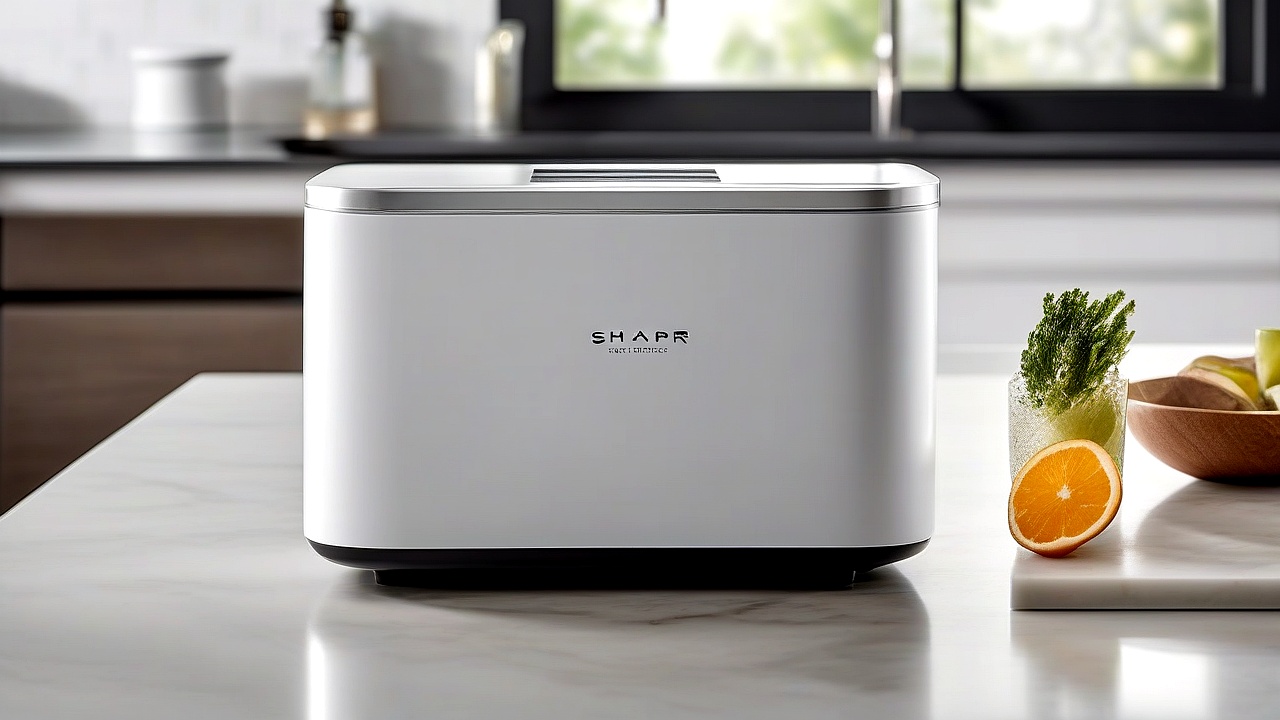
So by operating your ice maker in an eco-friendly manner, you will not only reduce your electricity and water bills, but also have a positive impact on the environment. Let’s look at some effective tips that will make your ice maker more efficient and sustainable.
1. Right Ice Maker Selection: Eco-Friendly Models
Not all ice makers are equally energy efficient. Some models have ENERGY STAR certification, which indicates that the device has met energy-saving standards set by the government.
When you buy a new ice maker, keep the following things in mind:
- Choose an ENERGY STAR-certified model – It reduces electricity consumption by 10-15%.
- Choose models with an inverter compressor – These types of compressors reduce power consumption and noise levels.
- Water usage efficiency – Choose models that use less water per hour. Generally 1.5-2.5 gallons per hour is considered a good quality ice maker.
- Size & capacity – Buying a larger ice maker than you need will consume extra electricity. Choose a model with a production capacity of 5-10 lbs per day according to the number of members in your family.
Popular eco-friendly ice maker brands include Scotsman, Frigidaire, and GE. Some models of these brands have a self-cleaning feature, which makes maintenance easier and keeps them sterile.
2. Optimal Placement for Maximum Efficiency
If the location of your ice maker is not correct, it increases the waste of electricity and water. Follow the tips below:
- Select a cooler environment – Place the ice maker in the coolest place in the kitchen. If placed near direct sunlight or a heat source, the compressor will overwork and increase power consumption.
- Ensure adequate ventilation – Leave at least 2-3 inches of space around the ice maker to allow air to circulate. This prevents the compressor from overheating.
- Check the water line connection – If your ice maker is connected to a direct water line, make sure the water pressure is between 30-80 PSI. If the pressure is high, water is wasted, and if the pressure is low, the ice maker cannot work properly.
3. Smart Water Usage Habits
An ice maker’s biggest water waste occurs when it draws too much water or flushes repeatedly. You can reduce water waste by following these practices:
- Regularly clean the water filter – Most ice makers have a carbon filter that removes water impurities. If this filter is not cleaned or changed on time, the ice maker uses more water and increases electricity consumption. Generally, filters should be changed every 6 months.
- Use filtered water only – If the tap water is hard, scale builds up inside the ice maker and causes extra pressure on the compressor. As a result, electricity consumption increases. This problem can be avoided by using RO or distilled water.
- Avoid overfilling the ice bin – When the ice maker produces excess ice and it overflows the ice bin, it wastes electricity and water. Usually, filling 70-80% of the ice bin is enough.
- Manually defrost regularly – If your ice maker does not automatically defrost, then perform manual defrosting every 3-6 months. This reduces ice buildup and reduces pressure on the compressor.
4. Energy-Saving Ice Making Techniques
There are some simple but effective techniques you can follow to reduce the power consumption of an ice maker:
- Use night mode – Most modern ice makers have a night mode feature, which reduces power consumption at night. Because electricity rates are often lower at night.
- Set an ice production schedule – On some ice makers, you can set a schedule to produce ice at specific times. For example, you can schedule ice to be made at night when electricity is less expensive.
- Use half-batch ice making – If you have fewer family members, keep the ice maker in half-batch mode. It reduces power consumption by about 30-40%.
- Turn on energy-saving mode – Some ice makers have an eco mode or energy-saving mode. When this mode is on, the device reduces power consumption and also controls water consumption.
5. Routine Maintenance: Keep Your Ice Maker Running Efficiently
The longevity and efficiency of an ice maker depends on its regular maintenance. Follow the maintenance routine below:
| Task | Frequency | How to Do It |
|---|---|---|
| Water filter cleaning/replacement | Every 6 months | Open the filter and wash it thoroughly or replace it with a new filter. |
| Ice bin cleaning | Every 3 months | Remove all the ice from the ice bin and clean it thoroughly with a mixture of vinegar and water. |
| Condenser coil cleaning | Every 6 months | Condenser coils get dusty and increase power consumption. Clean with a vacuum cleaner. |
| Gasket seal check | Every 3 months | Check the ice maker door gasket. If any cracks appear, seal them. |
| Manual defrosting | Every 3-6 months | If there is no automatic defrosting, clean the ice buildup regularly. |
6. DIY Eco-Friendly Ice Making Hacks
If you want to go a step further, you can follow some DIY methods that will make your ice maker more sustainable:
- Use a solar-powered ice maker – If your area gets a lot of sunlight, you can use a solar-powered ice maker. It reduces electricity consumption to zero.
- Rainwater collection system – If you have your own water collection system, then you can use that water in the ice maker. But make sure that the water is clean and free of impurities.
- Reusable ice cubes – If you do not use a regular ice maker, then you can use reusable ice cubes. They are made of plastic or stainless steel and can be used repeatedly.
- Use an ice maker cover – When not using the ice maker, keep a cover on it. It will reduce dust and reduce pressure on the compressor.
7. Common Mistakes to Avoid
Many unknowingly make some mistakes while using an ice maker, which increases the waste of electricity and water. Here are some common mistakes and their solutions:
- Repeatedly turning the ice maker on and off – Repeatedly turning on and off overstresses the compressor and increases power consumption. Once turned on, leave it on for at least 2-3 hours.
- Making extra ice – If you have a small number of family members, do not set the ice maker to make extra ice. It wastes electricity and water.
- Do not use cold water – If hot water is used in the ice maker, it will consume more electricity. Always use cold water (4-10°C).
- Overfilling the ice bin – Overfilling the ice bin will reduce ice production and overwork the compressor. Always keep 70-80% occupancy.
8. Comparing Energy-Efficient Ice Maker Models
If you are looking for a suitable eco-friendly ice maker for you, it is important to compare different brands and models. The table below provides a detailed comparison of some popular ENERGY STAR-certified models, so you can easily decide which one best suits your needs.
| Brand & Model | Type | ENERGY STAR Certified | Daily Ice Production (lbs) | Water Usage (gallons/hour) | Noise Level (dB) | Price Range | Warranty (Years) |
|---|---|---|---|---|---|---|---|
| Scotsman CU1529-15 | Undercounter | Yes | 15 | 1.8 | 38 | $800-$1,000 | 3 |
| Frigidaire FFIM1822TS1 | Countertop | Yes | 18 | 2.0 | 42 | $500-$700 | 2 |
| GE Profile PIFS18SLSS | Built-in | Yes | 18 | 1.9 | 40 | $900-$1,100 | 5 |
| Igloo ICEB26SS | Portable | No | 26 | 2.5 | 45 | $200-$300 | 1 |
| Nugget NUG1 | Modular | Yes | 14 | 1.7 | 35 | $1,200-$1,500 | 5 |
Tips: As can be seen from the table above, ENERGY STAR-certified models are generally more energy efficient. Again, built-in models are more expensive but are more durable and suitable for permanent installation. On the other hand, portable models are available at lower prices but consume more electricity and water. So choose the model according to your needs.
How to choose the right model?
There are a few important things to consider when choosing an energy-efficient ice maker:
- Ice production capacity: Select the daily ice production capacity depending on your household size and usage. For example, 15-18 lbs is enough for a small family, but for more guests, choose the 25+ lbs model.
- Installation type: Undercounter, countertop, built-in, or portable—select whichever type of installation is convenient. Built-in models usually fit into the design of the kitchen.
- Water and energy efficiency: Choose models with low water usage (1.5-2.0 gallons/hour) and low noise level (35-45 dB). ENERGY STAR-certified models are generally more energy efficient.
- Warranty & service: Models with longer warranty (3-5 years) are more reliable. For example, GE Profile and Nugget models come with a 5-year warranty.
- Budget: Select the model according to your budget. For example, portable models like the Igloo are available at lower prices but may cost more in the long run.
Which brand is the best?
There are several trusted brands in the market today that are leading the way in energy-efficient ice makers. Below is a comparison of some top brands:
| Brand | Best For | Key Features | Price Range |
|---|---|---|---|
| Scotsman | Undercounter & commercial use | High ice production, low noise, ENERGY STAR certified | $800-$1,500 |
| Frigidaire | Countertop & compact models | Affordable, easy installation, ENERGY STAR certified | $500-$800 |
| GE Profile | Built-in & premium models | Sleek design, long warranty, high efficiency | $900-$1,500 |
| Nugget | Modular & customizable | Flexible installation, high durability, ENERGY STAR certified | $1,200-$2,000 |
| Igloo | Portable & budget-friendly | Low price, easy to move, no installation needed | $200-$400 |
Conclusion: Scotsman and GE Profile brands are the best for premium and durable models. On the other hand, Frigidaire and Igloo offer better options at lower prices. Choose the brand according to your needs and budget.
Final Thoughts: Choose the Best Eco-Friendly Ice Maker for You
Choosing an energy-efficient ice maker is important for saving electricity and water, as well as for the environment. From the above discussion, you have seen that there are differences between different brands and models. Now is the time to choose the right model according to your needs.
How to start?
- Determine your needs: Consider number of family members, amount of use, and installation type.
- Set a budget: Decide how much money you are willing to spend. Remember, more expensive models may be more cost-effective in the long run.
- Compare brands & models: Select the right model for you from the tables above. Give preference to ENERGY STAR-certified models.
- View reviews & ratings: Read reviews from other users online and check expert opinions.
- Buy from a dealer or online store: Buy from a trusted dealer or online store to get better service and warranty benefits.
Keep in mind: selecting a good ice maker and providing proper care and maintenance is important. Regular cleaning, filter changes, and professional service when necessary will help your ice maker continue to operate efficiently for a long time. You will then enjoy cold, pure ice year after year.
So it’s not too late! Choose the most suitable eco-friendly ice maker for yourself now and help the environment by reducing electricity and water consumption. Stay tuned to ApplianceSky for the latest tips and guidelines!

About the Author
Hi I am an Engineer I have passed my diploma in Engineering in 2007. Academically I have studied about home appliances and various motors and machineries. In 2012 I have started my blogging and learned a lot of things about home appliances especially washing appliances, washing and cleaning related products, and eequipments. In 2019 I have started my blog https://appliancesky.com to provide my research and experience with my fan and followers.