Essential Maintenance Tips for Keeping Your Washers Running Efficiently
Why Washing Machine Maintenance Matters
Your washing machine is busy handling the daily heavy laundry load. But most people do not take care of this important device as much as they should. As a result, over time, reduced performance, energy waste, and even costly repairs must be addressed. If you follow a regular maintenance routine, your washing machine will run efficiently for a long time, the electricity bill will decrease, and both clothes and machine will last longer.
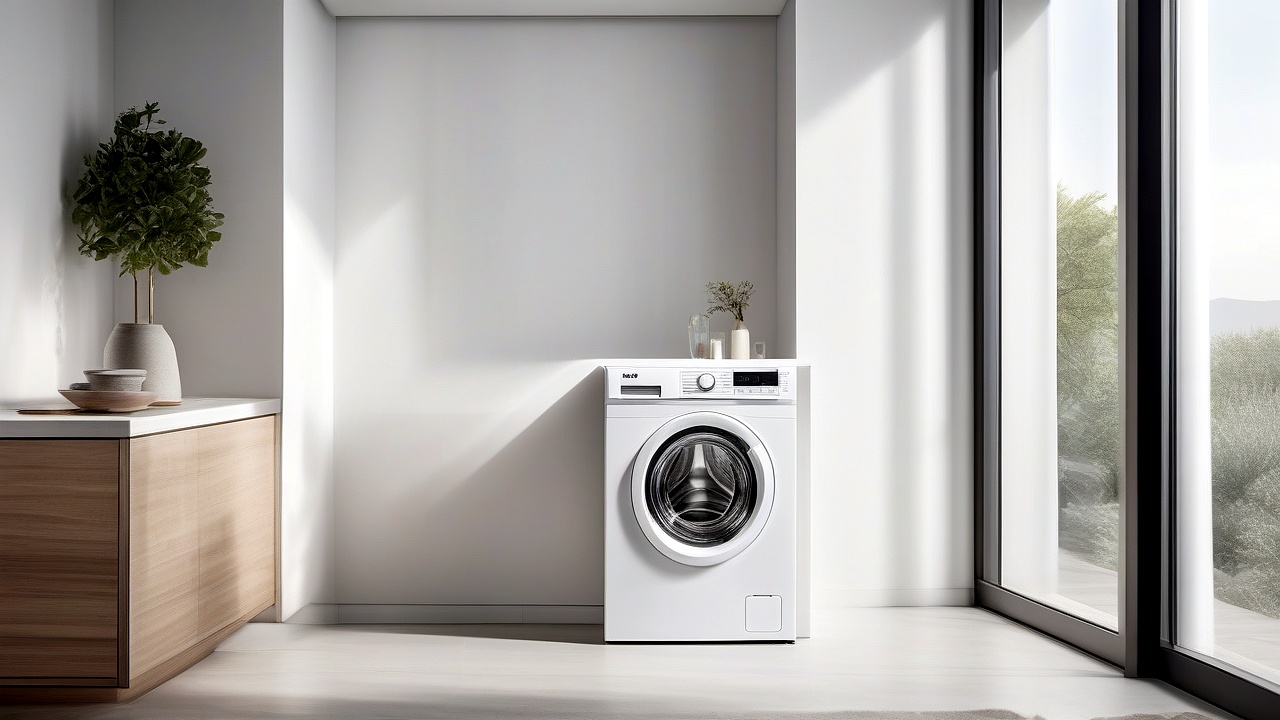
Top 10 Essential Maintenance Tips for Your Washer
1. Regularly Clean the Drum & Door Seal
Wipe the drum and door seal (also called gasket) thoroughly after each wash cycle. Because detergent residue, lint, and even mold may accumulate here. The door seal in front-load washers, in particular, gets dirty more quickly.
How to clean:
- Use a microfiber cloth or soft sponge.
- Remove with warm water and mild detergent or vinegar solution (1:1 ratio).
- Most important is to thoroughly clean the door seal folds, where water collects.
Pro Tip: Run an empty cycle with a washing machine cleaner (like Affresh or Tide) at least once a month. It will eliminate mold and bacteria.
2. Inspect & Clean the Detergent Dispenser
Detergent drawer or dispenser often has detergent buildup and fabric softener residue. They harden over time and can form a clog. As a result, the detergent may not mix properly in the wash cycle.
How to clean:
- Open the detergent drawer.
- Clean the inside with a toothbrush or small brush.
- Rinse with warm water and pat dry.
Important: This area should be cleaned every two weeks.
3. Check & Clean the Filter (Lint & Debris Trap)
Almost all washing machines have a filter that traps lint, debris, or even coins or small items. If this filter is not cleaned, the water drainage may be disrupted and the pump may be damaged.
How to clean:
- First switch off the machine and unplug it.
- The filter is usually in the front-bottom section (back in some models).
- Clean the filter by holding water in a bowl.
- If something is stuck, carefully remove it.
Frequency: should be cleaned at least once every month.
4. Use the Right Amount of Detergent
Many people think that using more detergent will make clothes cleaner. But actually using too much detergent leaves it as residue on the drum and clothes, causing damage to the machine and may ruin the clothes.
How much detergent to use:
- Use HE (High-Efficiency) detergent if your machine is HE-rated.
- The general rule is: for every 8 lbs (3.6 kg) of clothes, use 1 tbsp (15 ml) of detergent.
- If you have hard water, you can use a little more detergent.
5. Avoid Overloading the Washer
Many people overload the washing machine, resulting in clothes not being properly cleaned and putting extra stress on the machine. As a result, the motor and bearings may be damaged.
How much to load:
- Top-load washers: usually fill up to half of the drum.
- Front-load washers: can fill up to two-thirds of the drum.
Pro Tip: heavy blankets or comforters should be washed using a delicate cycle.
6. Clean the Exterior & Control Panel
The exterior of the Washing machine and the control panel can be damaged by dust accumulation if not cleaned regularly. Especially the touch-sensitive buttons may accumulate dirt and cause malfunction.
How to clean:
- Wipe the exterior with a damp microfiber cloth.
- Do not use any abrasive cleaner, as it may damage the surface.
- Use mild soap solution for the control panel.
7. Check Hoses for Leaks & Damage
The water hoses connected to the Washing machine can corrode or develop a crack over time. This can result in water leakage and risk of flooding.
How to inspect:
- Check the hoses every six months.
- If any crack or bulge appears, replace immediately.
- Use stainless steel braided hoses instead of rubber hoses, as they are more durable.
8. Run an Empty Hot Water Cycle Monthly
Clean the machine with hot water by running an empty cycle once a month. It will remove bacteria, mold, and detergent buildup.
How to do it:
- Select warmest setting.
- Add a washing machine cleaner or 1 cup of white vinegar.
- Continue the entire cycle.
9. Level the Washer Properly
If the washing machine is not leveled properly, it can vibrate, create noise, and damage the internal components over time.
How to level:
- Check that the machine is standing well on all four legs before starting it.
- If not, level using adjustable legs.
- Use a level tool to check that all legs are touching the ground evenly.
10. Schedule Professional Servicing Annually
Although regular maintenance can be done by yourself, the machine should be checked by a professional technician at least once a year. They will check internal components, clean pump, and replace parts if necessary.
Common Washer Problems & Quick Fixes
1. Washer Not Draining Properly
Possible Causes:
- Clogged drain hose or pump filter.
- Faulty drain pump.
- Overloaded machine.
Quick Fixes:
- Clear the filter.
- Check the drain hose and remove any blockage.
- If the pump is damaged, replace it.
2. Excessive Vibration & Noise
Possible Causes:
- Unbalanced load.
- Loose or damaged suspension rods.
- Worn-out shock absorbers.
Quick Fixes:
- Close the machine and reset the load.
- Check suspension rods and replace if necessary.
- If the shock absorbers are damaged, call a technician.
3. Clothes Coming Out Stiff or With Residue
Possible Causes:
- Using too much detergent.
- Hard water.
- Clogged dispenser.
Quick Fixes:
- Reduce the amount of detergent.
- Use a water softener.
- Clean the dispenser.
Seasonal Maintenance Tips
Monsoon/Summer (High Humidity)
Due to the humidity being high during this time, mold and bacteria grow rapidly. So:
- Run the empty hot water cycle at least once per week.
- Remove the door seal thoroughly.
- Ensure ventilation so that moisture does not accumulate inside the machine.
- Keep the detergent drawer open so that water does not accumulate inside.
- For front-load washers, keep door slightly ajar after use.
Winter (Cold Weather)
Cold weather can cause hoses to freeze or crack to form. So:
- Check the hoses at least once per month. If there is any crack or leak, replace it quickly.
- Take care that water inlet temperature is not too cold.
- Drain pump runs empty cycle to prevent freezing.
- If the washer is in a cold place, open the door after use so that water does not collect inside.
Post-Monsoon/Post-Winter Deep Cleaning
Cleaning the washer of dirt, bacteria, or water damage is very important during the change of seasons. At this time:
- Clean drum and door seal thoroughly.
- Open the detergent dispenser and clean the inside.
- Clean the filter and remove any lint or dirt accumulation.
- Check hoses and connections for damage.
- If necessary, perform professional servicing.
Storage Tips for Long Vacations
If you do not use the washer for a long time, take some precautions:
- Washer should be completely empty and make sure there is no water inside.
- Open door and detergent drawer.
- Turn off the power supply.
- If possible, place the washer in a dry and ventilated area.
Conclusion
The longevity of your washing machine depends on its proper maintenance. With regular cleaning, proper usage habits, and seasonal care, your washer will work reliably for many years.
Remember, even minor mistakes like overloading, use of improper detergent, or lack of ventilation can shorten the life of your machine. So open the door after each use, clean the filter regularly, and professional servicing at least once a year.
If a problem occurs, fix it quickly. For example, don’t ignore a washer not draining or excessive noise. If these problems are not resolved, there may be major damage later.
Finally, find out about the warranty and customer support of your washing machine when you buy it. Many brands offer free servicing or spare parts. So make your washer last longer and prevent wastage of electricity and water with proper care and timely maintenance.

About the Author
Hi I am an Engineer I have passed my diploma in Engineering in 2007. Academically I have studied about home appliances and various motors and machineries. In 2012 I have started my blogging and learned a lot of things about home appliances especially washing appliances, washing and cleaning related products, and eequipments. In 2019 I have started my blog https://appliancesky.com to provide my research and experience with my fan and followers.